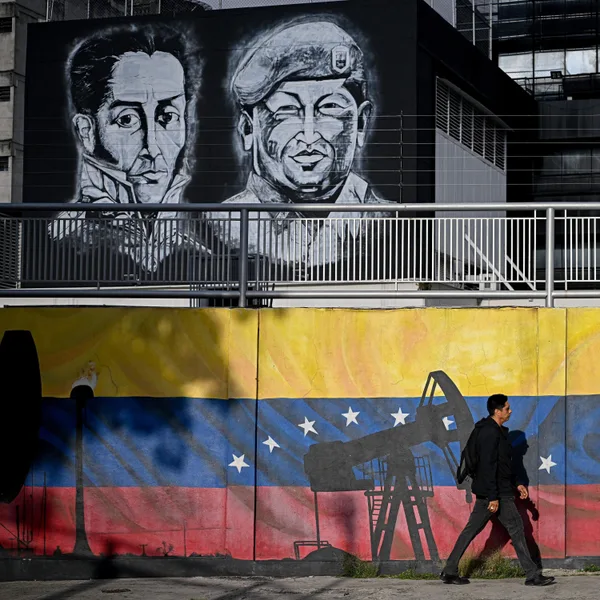
One week ago, President Trump announced a deal that would give the “U.S. control of more than 65 BILLION BARRELS of proven Oil Reserves in Venezuela, at no cost to the American Taxpayer.”
The exact nature of this deal has been … obscure, to say the least. But today, we wanted to know, from someone who’s been through this before, what does this mean for Venezuela?
José Ángel Pereira Ruimwyk is both optimistic … and wary. He’s a longtime Venezuelan oil insider. When Venezuela invited in foreigners, decades ago, he was there to greet them. And when Venezuela wanted them out? Well, that’s how he ended up in a jail cell.
On today’s show, we’re going to hear from one third-generation Venezuelan oilman who has seen everything … up until this, of course.
Check out our other episodes about Venezuela:
- Chevron, Venezuela and the Paradox of Plenty
- How Venezuela imploded
Read:
- Our book: Planet Money: A Guide to the Economic Forces That Shape Your Life
- Our weekly longform Planet Money newsletter
- Our weekly Indicator round-up newsletter
Follow:
- Instagram
- TikTok
- YouTube
- Facebook
Support public media with NPR+ and enjoy perks for over 25 podcasts like this one. This show’s perks include bonus episodes and sponsor-free listening. Learn more at plus.npr.org.
This episode was hosted by Nick Fountain and Erika Beras and produced by Emma Peaslee with help from Sam Yellowhorse Kesler. It was edited by Marianne McCune. It was fact checked by Emma Peaslee with help from Sierra Juarez. It was engineered by Josephine Nyounai with help from Jimmy Keeley. Alex Goldmark is Planet Money’s executive producer.
See pcm.adswizz.com for information about our collection and use of personal data for sponsorship and to manage your podcast sponsorship preferences.
NPR Privacy Policy
25:27
One week ago, President Trump announced a deal that would give the “U.S. control of more than 65 BILLION BARRELS of proven Oil Reserves in Venezuela, at no cost to the American Taxpayer.”
The exact nature of this deal has been … obscure, to say the least. But today, we wanted to know, from someone who’s been through this before, what does this mean for Venezuela?
José Ángel Pereira Ruimwyk is both optimistic … and wary. He’s a longtime Venezuelan oil insider. When Venezuela invited in foreigners, decades ago, he was there to greet them. And when Venezuela wanted them out? Well, that’s how he ended up in a jail cell.
On today’s show, we’re going to hear from one third-generation Venezuelan oilman who has seen everything … up until this, of course.
Check out our other episodes about Venezuela:
- Chevron, Venezuela and the Paradox of Plenty
- How Venezuela imploded
Read:
- Our book: Planet Money: A Guide to the Economic Forces That Shape Your Life
- Our weekly longform Planet Money newsletter
- Our weekly Indicator round-up newsletter
Follow:
- Instagram
- TikTok
- YouTube
- Facebook
Support public media with NPR+ and enjoy perks for over 25 podcasts like this one. This show’s perks include bonus episodes and sponsor-free listening. Learn more at plus.npr.org.
This episode was hosted by Nick Fountain and Erika Beras and produced by Emma Peaslee with help from Sam Yellowhorse Kesler. It was edited by Marianne McCune. It was fact checked by Emma Peaslee with help from Sierra Juarez. It was engineered by Josephine Nyounai with help from Jimmy Keeley. Alex Goldmark is Planet Money’s executive producer.
See pcm.adswizz.com for information about our collection and use of personal data for sponsorship and to manage your podcast sponsorship preferences.
NPR Privacy Policy
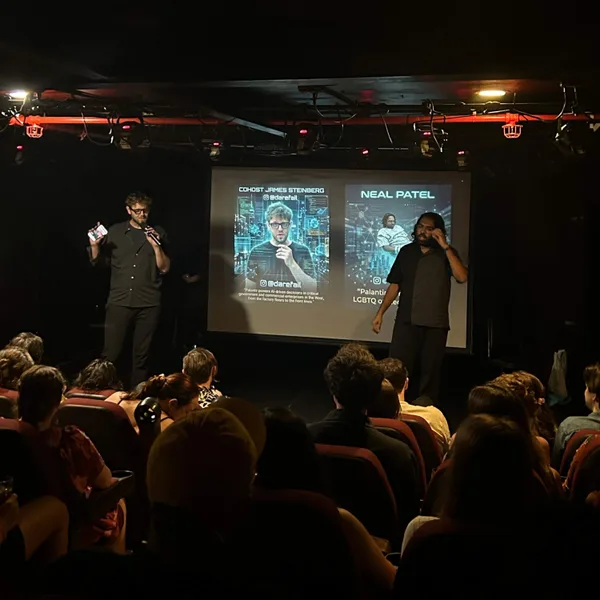
To a lot of people, Palantir is a mystery — what does the company know, what data do they have, and (if they have it) what do they do with it all? We dig into that mystery and take you to a singles event to see if Big Data is good for Big Dating.
That event, deep in the heart of Manhattan, is called: “Singles Dating Matching Using Palantir Data.” The evening promised: “Data analysis!” and “Pattern matching!” We decided that we needed to know more.
Read:
- Our book: Planet Money: A Guide to the Economic Forces That Shape Your Life
- Our weekly longform Planet Money newsletter
- Our weekly Indicator round-up newsletter
Follow:
- Instagram
- TikTok
- YouTube
- Facebook
Support public media with NPR+ and enjoy perks for over 25 podcasts like this one. This show’s perks include bonus episodes and sponsor-free listening. Learn more at plus.npr.org.
This episode was hosted by Amanda Aronczyk, produced by Sam Yellowhorse Kesler and edited by Jess Jiang. It was engineered by Cena Loffredo and Maggie Luthar and fact-checked by Sierra Juarez. Alex Goldmark is Planet Money’s executive producer.
Music: Universal Production Music - "Silvana’s Theme," "Masseria Del Sud," Sunset in Florence," and "An Italian Romance"
See pcm.adswizz.com for information about our collection and use of personal data for sponsorship and to manage your podcast sponsorship preferences.
NPR Privacy Policy
25:47
To a lot of people, Palantir is a mystery — what does the company know, what data do they have, and (if they have it) what do they do with it all? We dig into that mystery and take you to a singles event to see if Big Data is good for Big Dating.
That event, deep in the heart of Manhattan, is called: “Singles Dating Matching Using Palantir Data.” The evening promised: “Data analysis!” and “Pattern matching!” We decided that we needed to know more.
Read:
- Our book: Planet Money: A Guide to the Economic Forces That Shape Your Life
- Our weekly longform Planet Money newsletter
- Our weekly Indicator round-up newsletter
Follow:
- Instagram
- TikTok
- YouTube
- Facebook
Support public media with NPR+ and enjoy perks for over 25 podcasts like this one. This show’s perks include bonus episodes and sponsor-free listening. Learn more at plus.npr.org.
This episode was hosted by Amanda Aronczyk, produced by Sam Yellowhorse Kesler and edited by Jess Jiang. It was engineered by Cena Loffredo and Maggie Luthar and fact-checked by Sierra Juarez. Alex Goldmark is Planet Money’s executive producer.
Music: Universal Production Music - "Silvana’s Theme," "Masseria Del Sud," Sunset in Florence," and "An Italian Romance"
See pcm.adswizz.com for information about our collection and use of personal data for sponsorship and to manage your podcast sponsorship preferences.
NPR Privacy Policy
The brilliance of "9 to 5" is that it is catchy even though it’s also kinda depressing. You will be dancing along. You're enjoying it. And, then when you really listen to the lyrics, you're like, Wait, this is messed up. This is real. This is a problem we need to fix. Like, why does it have to be this way?
That is the spirit of the song, why it became an anthem, and the heart of the movie 9 to 5.
There’s so much to say about Dolly Parton, about her music, acting career, her business savvy, not to mention Dollywood. Today though, we wanted to bring you the audacious true story of 9 to 5, the movie and the song.
Between the 1960s and 1980s, there was a real sense that big workplace changes were just beyond the horizon. At the time, a very common job for women was clerical work. In 1973, a group of secretaries in Boston formed a women's labor organization. They called themselves the "9to5."
Today on the show, we revisit our 2021 episode where we meet the women behind the movement that inspired the movie. And a look at how far we have — or haven't — come since then.
This is a special Sunday bonus episode. For our latest episode on inventing new tomatoes, scroll down the feed or click here.
(Note: This episode originally ran in 2021.)
Read:
- Our book: Planet Money: A Guide to the Economic Forces That Shape Your Life
- Our weekly longform Planet Money newsletter
- Our weekly Indicator round-up newsletter
Follow:
- Instagram
- TikTok
- YouTube
- Facebook
Support public media with NPR+ and enjoy perks for over 25 podcasts like this one. This show’s perks include bonus episodes and sponsor-free listening. Learn more at plus.npr.org.
Today's episode was hosted by Sarah Gonzalez and Sonari Glinton. The original episode was produced by Nick Fountain and James Sneed and edited by Mitra Kaboli. The update was produced by Sam Yellowhorse Kesler, and engineered by Jimmy Keeley. Alex Goldmark is Planet Money’s executive producer.
Music: "9 to 5," "5 to 9," and "Fly on the Wall."
See pcm.adswizz.com for information about our collection and use of personal data for sponsorship and to manage your podcast sponsorship preferences.
NPR Privacy Policy
22:54
The brilliance of "9 to 5" is that it is catchy even though it’s also kinda depressing. You will be dancing along. You're enjoying it. And, then when you really listen to the lyrics, you're like, Wait, this is messed up. This is real. This is a problem we need to fix. Like, why does it have to be this way?
That is the spirit of the song, why it became an anthem, and the heart of the movie 9 to 5.
There’s so much to say about Dolly Parton, about her music, acting career, her business savvy, not to mention Dollywood. Today though, we wanted to bring you the audacious true story of 9 to 5, the movie and the song.
Between the 1960s and 1980s, there was a real sense that big workplace changes were just beyond the horizon. At the time, a very common job for women was clerical work. In 1973, a group of secretaries in Boston formed a women's labor organization. They called themselves the "9to5."
Today on the show, we revisit our 2021 episode where we meet the women behind the movement that inspired the movie. And a look at how far we have — or haven't — come since then.
This is a special Sunday bonus episode. For our latest episode on inventing new tomatoes, scroll down the feed or click here.
(Note: This episode originally ran in 2021.)
Read:
- Our book: Planet Money: A Guide to the Economic Forces That Shape Your Life
- Our weekly longform Planet Money newsletter
- Our weekly Indicator round-up newsletter
Follow:
- Instagram
- TikTok
- YouTube
- Facebook
Support public media with NPR+ and enjoy perks for over 25 podcasts like this one. This show’s perks include bonus episodes and sponsor-free listening. Learn more at plus.npr.org.
Today's episode was hosted by Sarah Gonzalez and Sonari Glinton. The original episode was produced by Nick Fountain and James Sneed and edited by Mitra Kaboli. The update was produced by Sam Yellowhorse Kesler, and engineered by Jimmy Keeley. Alex Goldmark is Planet Money’s executive producer.
Music: "9 to 5," "5 to 9," and "Fly on the Wall."
See pcm.adswizz.com for information about our collection and use of personal data for sponsorship and to manage your podcast sponsorship preferences.
NPR Privacy Policy
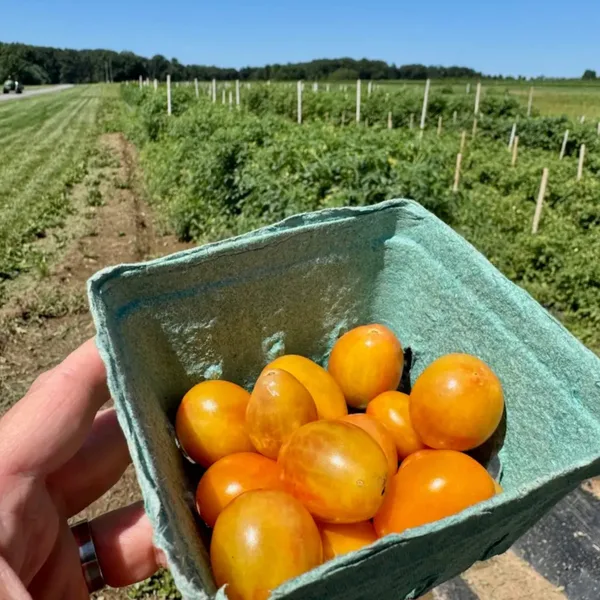
The produce aisle is changing. You’ve noticed this, I’m sure. It is now full of superstar fruits and vegetables: The Honeycrisp apple, The Cotton Candy grape, The Cuties mandarin orange. They stand out. They cost more. They have branding and sometimes trademarks and patent-ish kinds of protections.
And now – it’s happening in the tomato bin too! Where once there were just plain old cherry or grape tomatoes, now there are Sugar Bombs, and Flavor Bombs, and Lolli Bombs and Sprinkles.
Today, we are partnering up with Dan Pashman – host of The Sporkful food podcast – and heading to New Jersey where we hope to taste an up-and-coming competitor: Rutgers University's Scarlet Sunrise grape tomato. We talk to the inventors to understand why this explosion in branded fruits and veggies has happened and how you go about making a new piece of produce.
Plus, we talk to Cornell agricultural economist Miguel Gomez about whether or not the fruits and veggies spread in our produce aisle are, perhaps, reaching the point of market saturation.
Read:
Our book: Planet Money: A Guide to the Economic Forces That Shape Your Life
Our weekly longform Planet Money newsletter
Our weekly Indicator round-up newsletter
Follow:
Instagram
TikTok
YouTube
Facebook
Support public media with NPR+ and enjoy perks for over 25 podcasts like this one. This show’s perks include bonus episodes and sponsor-free listening. Learn more at plus.npr.org.
This episode was hosted by Kenny Malone and Dan Pashman. It was produced by James Sneed and edited by Keith Romer. It was fact-checked by Sierra Juarez and engineered by Cena Loffredo & Jimmy Keeley. Alex Goldmark is Planet Money’s executive producer.
Correction, Aug. 31, 2026: An earlier version of this story incorrectly said that the University of Washington developed the Cosmic Crisp apple. It was Washington State University.
See pcm.adswizz.com for information about our collection and use of personal data for sponsorship and to manage your podcast sponsorship preferences.
NPR Privacy Policy
33:43
The produce aisle is changing. You’ve noticed this, I’m sure. It is now full of superstar fruits and vegetables: The Honeycrisp apple, The Cotton Candy grape, The Cuties mandarin orange. They stand out. They cost more. They have branding and sometimes trademarks and patent-ish kinds of protections.
And now – it’s happening in the tomato bin too! Where once there were just plain old cherry or grape tomatoes, now there are Sugar Bombs, and Flavor Bombs, and Lolli Bombs and Sprinkles.
Today, we are partnering up with Dan Pashman – host of The Sporkful food podcast – and heading to New Jersey where we hope to taste an up-and-coming competitor: Rutgers University's Scarlet Sunrise grape tomato. We talk to the inventors to understand why this explosion in branded fruits and veggies has happened and how you go about making a new piece of produce.
Plus, we talk to Cornell agricultural economist Miguel Gomez about whether or not the fruits and veggies spread in our produce aisle are, perhaps, reaching the point of market saturation.
Read:
Our book: Planet Money: A Guide to the Economic Forces That Shape Your Life
Our weekly longform Planet Money newsletter
Our weekly Indicator round-up newsletter
Follow:
Instagram
TikTok
YouTube
Facebook
Support public media with NPR+ and enjoy perks for over 25 podcasts like this one. This show’s perks include bonus episodes and sponsor-free listening. Learn more at plus.npr.org.
This episode was hosted by Kenny Malone and Dan Pashman. It was produced by James Sneed and edited by Keith Romer. It was fact-checked by Sierra Juarez and engineered by Cena Loffredo & Jimmy Keeley. Alex Goldmark is Planet Money’s executive producer.
Correction, Aug. 31, 2026: An earlier version of this story incorrectly said that the University of Washington developed the Cosmic Crisp apple. It was Washington State University.
See pcm.adswizz.com for information about our collection and use of personal data for sponsorship and to manage your podcast sponsorship preferences.
NPR Privacy Policy
This week’s stop on our world tour - Korea. A country divided into two very different power structures since the end of WWII. Today South Korea is the maker of some of the world’s favorite exports – from Samsung TV’s to BTS. But 75 years ago it was a much different story. How the textile industry and a partnership with Bangladesh lifted the country out of poverty and paved the way for rapid economic growth.
Then later in this episode – how entrepreneurial endeavors look different on the other side of the 38th parallel. We’ll follow a woman who started her own small business selling goods in North Korea. How are the Donju, members of the affluent entrepreneurial class, faring and can capitalism exist in a highly restrictive socialist society?
Featured Episodes:
Richard Nixon, Kimchi and the first clothing factory in Bangladesh (2013)
North Korea's Capitalists (2017)
Featured Terms:
Volatility
Inflation expectations
Capital controls
Austerity
Support:
NPR+ (sponsor-free listening & bonus episodes)
And please click “follow” in your podcast app so you don’t miss an episode.
Read:
Our book: Planet Money: A Guide to the Economic Forces That Shape Your Life (Audiobook here)
Our weekly longform Planet Money newsletter
Our weekly Indicator link round-up newsletter
Follow:
Instagram
TikTok
YouTube
Facebook
This episode of Planet Money Summer School is hosted by Robert Smith. It was produced by Schuyler Swenson and Sophia Paliza-Carre and edited by Planet Money Executive Producer Alex Goldmark. It was fact-checked by Charlotte Isidore and engineered by Annlie Huang.
Support public media with NPR+ and enjoy perks for over 25 podcasts like this one. Planet Money's perks include bonus episodes and sponsor-free listening. Learn more at plus.npr.org.
See pcm.adswizz.com for information about our collection and use of personal data for sponsorship and to manage your podcast sponsorship preferences.
NPR Privacy Policy
40:08
This week’s stop on our world tour - Korea. A country divided into two very different power structures since the end of WWII. Today South Korea is the maker of some of the world’s favorite exports – from Samsung TV’s to BTS. But 75 years ago it was a much different story. How the textile industry and a partnership with Bangladesh lifted the country out of poverty and paved the way for rapid economic growth.
Then later in this episode – how entrepreneurial endeavors look different on the other side of the 38th parallel. We’ll follow a woman who started her own small business selling goods in North Korea. How are the Donju, members of the affluent entrepreneurial class, faring and can capitalism exist in a highly restrictive socialist society?
Featured Episodes:
Richard Nixon, Kimchi and the first clothing factory in Bangladesh (2013)
North Korea's Capitalists (2017)
Featured Terms:
Volatility
Inflation expectations
Capital controls
Austerity
Support:
NPR+ (sponsor-free listening & bonus episodes)
And please click “follow” in your podcast app so you don’t miss an episode.
Read:
Our book: Planet Money: A Guide to the Economic Forces That Shape Your Life (Audiobook here)
Our weekly longform Planet Money newsletter
Our weekly Indicator link round-up newsletter
Follow:
Instagram
TikTok
YouTube
Facebook
This episode of Planet Money Summer School is hosted by Robert Smith. It was produced by Schuyler Swenson and Sophia Paliza-Carre and edited by Planet Money Executive Producer Alex Goldmark. It was fact-checked by Charlotte Isidore and engineered by Annlie Huang.
Support public media with NPR+ and enjoy perks for over 25 podcasts like this one. Planet Money's perks include bonus episodes and sponsor-free listening. Learn more at plus.npr.org.
See pcm.adswizz.com for information about our collection and use of personal data for sponsorship and to manage your podcast sponsorship preferences.
NPR Privacy Policy
When workers past retirement age can’t afford to retire — that’s one thing. When they can, and just don’t want to — that’s trickier.
It used to be legal to force people to retire when they hit a certain age. The trend used to be earlier and earlier retirement. Now it’s later and later retirement. And younger workers say it’s impacting their career advancement and their ability to save for their own retirement.
At the same time, older workers are living longer, Social Security and Medicare funding are less secure than ever … and many people want to keep working.
Age in the workplace is a tricky thing to talk about. But today on the show, we’re talking about it. On the latest Planet Money, a law professor who says retirement should be mandatory at age 70. And an economist who says, actually … people should delay retirement even longer.
Show notes:
More of Planet Money’s coverage of the lump of labor fallacy
Samuel Moyn: Gerontocracy in America: How the Old Are Hoarding Power and Wealth? And What to Do About It.
Gerhard Casper and Saunders Mac Lane: “Older Doesn’t Mean Wiser”
Read:
Our book: Planet Money: A Guide to the Economic Forces That Shape Your Life
Our weekly long-form Planet Money newsletter
Our weekly Indicator round-up newsletter
Follow:
Instagram
TikTok
YouTube
Facebook
Support public media with NPR+ and enjoy perks for over 25 podcasts like this one. This show’s perks include bonus episodes and sponsor-free listening. Learn more at plus.npr.org.
This episode was reported by Sarah Gonzalez. It was produced by Willa Rubin, edited by Eric Misitzis Mennel, and fact-checked by Charlotte Isidore. It was engineered by Robert Rodriguez and Jimmy Keeley. Alex Goldmark is our executive producer.
Music: NPR Source Audio: “Don’t Cross The Line,” “Aventure Burlesque,” and “Hollywood.”
See pcm.adswizz.com for information about our collection and use of personal data for sponsorship and to manage your podcast sponsorship preferences.
NPR Privacy Policy
34:03
When workers past retirement age can’t afford to retire — that’s one thing. When they can, and just don’t want to — that’s trickier.
It used to be legal to force people to retire when they hit a certain age. The trend used to be earlier and earlier retirement. Now it’s later and later retirement. And younger workers say it’s impacting their career advancement and their ability to save for their own retirement.
At the same time, older workers are living longer, Social Security and Medicare funding are less secure than ever … and many people want to keep working.
Age in the workplace is a tricky thing to talk about. But today on the show, we’re talking about it. On the latest Planet Money, a law professor who says retirement should be mandatory at age 70. And an economist who says, actually … people should delay retirement even longer.
Show notes:
More of Planet Money’s coverage of the lump of labor fallacy
Samuel Moyn: Gerontocracy in America: How the Old Are Hoarding Power and Wealth? And What to Do About It.
Gerhard Casper and Saunders Mac Lane: “Older Doesn’t Mean Wiser”
Read:
Our book: Planet Money: A Guide to the Economic Forces That Shape Your Life
Our weekly long-form Planet Money newsletter
Our weekly Indicator round-up newsletter
Follow:
Instagram
TikTok
YouTube
Facebook
Support public media with NPR+ and enjoy perks for over 25 podcasts like this one. This show’s perks include bonus episodes and sponsor-free listening. Learn more at plus.npr.org.
This episode was reported by Sarah Gonzalez. It was produced by Willa Rubin, edited by Eric Misitzis Mennel, and fact-checked by Charlotte Isidore. It was engineered by Robert Rodriguez and Jimmy Keeley. Alex Goldmark is our executive producer.
Music: NPR Source Audio: “Don’t Cross The Line,” “Aventure Burlesque,” and “Hollywood.”
See pcm.adswizz.com for information about our collection and use of personal data for sponsorship and to manage your podcast sponsorship preferences.
NPR Privacy Policy
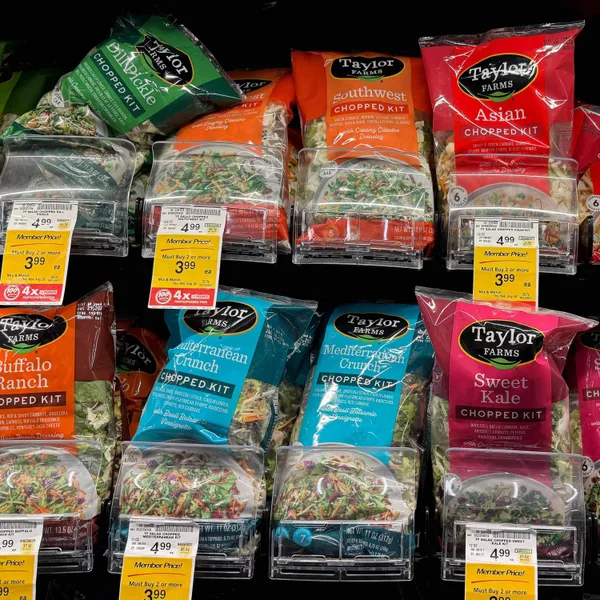
The cyclospora outbreak that’s sickening thousands of Americans got us interested in the rise of Big Lettuce, and the challenges of keeping it clean.
So on today’s show, we tell you just how much lettuce Americans eat every year (SO MUCH!), how bagged lettuce came to dominate grocery store shelves, what that means for food safety, and why these outbreaks continue to happen — despite the FDA’s efforts to stop them.
Check out other related episodes:
Food Scare Squad
How refrigeration took over the world
Support:
Planet Money+
Read:
Our book: Planet Money: A Guide to the Economic Forces That Shape Your Life
Our weekly longform Planet Money newsletter
Our weekly Indicator round-up newsletter
Follow:
Instagram
TikTok
YouTube
Facebook
This episode was hosted by Jeff Guo and Emma Peaslee. It was produced by Emma Peaslee. It was edited by Marianne McCune and it was fact checked by Sierra Juarez and engineered by Annlie Huang. Alex Goldmark is Planet Money’s executive producer.
Music: NPR Source Audio - "Electric Leak," "West Green Road," and "Melty Heart"
See pcm.adswizz.com for information about our collection and use of personal data for sponsorship and to manage your podcast sponsorship preferences.
NPR Privacy Policy
25:36
The cyclospora outbreak that’s sickening thousands of Americans got us interested in the rise of Big Lettuce, and the challenges of keeping it clean.
So on today’s show, we tell you just how much lettuce Americans eat every year (SO MUCH!), how bagged lettuce came to dominate grocery store shelves, what that means for food safety, and why these outbreaks continue to happen — despite the FDA’s efforts to stop them.
Check out other related episodes:
Food Scare Squad
How refrigeration took over the world
Support:
Planet Money+
Read:
Our book: Planet Money: A Guide to the Economic Forces That Shape Your Life
Our weekly longform Planet Money newsletter
Our weekly Indicator round-up newsletter
Follow:
Instagram
TikTok
YouTube
Facebook
This episode was hosted by Jeff Guo and Emma Peaslee. It was produced by Emma Peaslee. It was edited by Marianne McCune and it was fact checked by Sierra Juarez and engineered by Annlie Huang. Alex Goldmark is Planet Money’s executive producer.
Music: NPR Source Audio - "Electric Leak," "West Green Road," and "Melty Heart"
See pcm.adswizz.com for information about our collection and use of personal data for sponsorship and to manage your podcast sponsorship preferences.
NPR Privacy Policy
In the summer of 2020, sixteen-year-old Antonio Mays Jr. traveled a thousand miles to join the racial justice movement of his generation in the wake of George Floyd's killing. Antonio arrived in Seattle during the Capitol Hill Occupied Protest, known as CHOP. Less than a week later, he was shot and killed there. The case remains unsolved.
In this eight-part series, hosts Sydney Brownstone of The Seattle Times and Will James of KUOW team up with NPR's Embedded to investigate Antonio's death. They track down key eyewitnesses and surface crucial evidence that's never been made public.
Find "We Keep Us Safe" in the Embedded podcast feed.
Listen to Embedded wherever you get your podcasts, including the NPR App, Apple Podcasts, Pocket Casts, Spotify, and via RSS.
See pcm.adswizz.com for information about our collection and use of personal data for sponsorship and to manage your podcast sponsorship preferences.
NPR Privacy Policy
3:22
In the summer of 2020, sixteen-year-old Antonio Mays Jr. traveled a thousand miles to join the racial justice movement of his generation in the wake of George Floyd's killing. Antonio arrived in Seattle during the Capitol Hill Occupied Protest, known as CHOP. Less than a week later, he was shot and killed there. The case remains unsolved.
In this eight-part series, hosts Sydney Brownstone of The Seattle Times and Will James of KUOW team up with NPR's Embedded to investigate Antonio's death. They track down key eyewitnesses and surface crucial evidence that's never been made public.
Find "We Keep Us Safe" in the Embedded podcast feed.
Listen to Embedded wherever you get your podcasts, including the NPR App, Apple Podcasts, Pocket Casts, Spotify, and via RSS.
See pcm.adswizz.com for information about our collection and use of personal data for sponsorship and to manage your podcast sponsorship preferences.
NPR Privacy Policy
As the World Cup comes to a close, so does a massive real-time experiment happening just around the edges. Major League Soccer – the top men’s professional soccer league in the U.S. and Canada – has been scrambling to take advantage of this once-in-a-generation opportunity when average American sports fans suddenly cared a lot about soccer.
In between World Cup matches, NPR Sports Correspondent Becky Sullivan has been following Major League Soccer executives as they try to figure out how best to get a foot in the door with sports fans in the U.S.
In this episode, we tag along to see if U.S. and Canadian professional soccer can harness 2026 for the mythical World Cup bump in soccer interest. What strategies are teams using? And does it stand a chance to work?
Support:
Planet Money+
Read:
Our book: Planet Money: A Guide to the Economic Forces That Shape Your Life
Our weekly longform Planet Money newsletter
Our weekly Indicator round-up newsletter
Follow:
Instagram
TikTok
YouTube
Facebook
This episode of Planet Money was hosted by Becky Sullivan and Kenny Malone. It was produced by James Sneed with an assist from Sam Yellowhorse Kesler and edited by Jess Jiang. It was fact-checked by Sierra Juarez and engineered by Annlie Huang. Alex Goldmark is Planet Money’s executive producer.
See pcm.adswizz.com for information about our collection and use of personal data for sponsorship and to manage your podcast sponsorship preferences.
NPR Privacy Policy
26:07
As the World Cup comes to a close, so does a massive real-time experiment happening just around the edges. Major League Soccer – the top men’s professional soccer league in the U.S. and Canada – has been scrambling to take advantage of this once-in-a-generation opportunity when average American sports fans suddenly cared a lot about soccer.
In between World Cup matches, NPR Sports Correspondent Becky Sullivan has been following Major League Soccer executives as they try to figure out how best to get a foot in the door with sports fans in the U.S.
In this episode, we tag along to see if U.S. and Canadian professional soccer can harness 2026 for the mythical World Cup bump in soccer interest. What strategies are teams using? And does it stand a chance to work?
Support:
Planet Money+
Read:
Our book: Planet Money: A Guide to the Economic Forces That Shape Your Life
Our weekly longform Planet Money newsletter
Our weekly Indicator round-up newsletter
Follow:
Instagram
TikTok
YouTube
Facebook
This episode of Planet Money was hosted by Becky Sullivan and Kenny Malone. It was produced by James Sneed with an assist from Sam Yellowhorse Kesler and edited by Jess Jiang. It was fact-checked by Sierra Juarez and engineered by Annlie Huang. Alex Goldmark is Planet Money’s executive producer.
See pcm.adswizz.com for information about our collection and use of personal data for sponsorship and to manage your podcast sponsorship preferences.
NPR Privacy Policy
China’s turbocharged growth may have made it rich, but now it has to deal with rich country problems.
High-speed trains that connect every town. Gleaming new bridges and skyscrapers. An apartment (or two) for every family. No country on Earth has seen the kind of economic growth that China has over the last 50 years. China has become the factory to the world, a grand experiment in central government planning mixed with personal ambition.
It was all enabled by what our guide for today calls, an engineering state, a central planning mindset where leaders believe they can engineer their way out of economic problems. And problems are mounting.
Today on the show, the perils of prosperity and the despair of success as China deals with overbuilding.
We’ll travel back to China’s free-wheeling boom-era of the early 2000s and hang out with a property developer who amassed his wealth at the center of the action – private jet rides, thousand-dollar fish soup, casual bribes. Then, as the economy slows, we ask what can we learn from the despair of success. Does rising youth unemployment signal a less prosperous future? With young people struggling to find white-collar jobs, some of them are opting out of work altogether.
Featured Episodes:
China’s real estate crisis, explained (2023)
Young, “spoiled and miserable” in China (2023)
Featured Terms:
Socialism with Chinese Characteristics
Engineering State
Malinvestment
Support:
Planet Money+
Read:
Our book: Planet Money: A Guide to the Economic Forces That Shape Your Life (Audiobook here)
Our weekly longform Planet Money newsletter
Our weekly Indicator link round-up newsletter
Dan Wang’s book: Breakneck: China's Quest to Engineer the Future
Follow:
Instagram
TikTok
YouTube
Facebook
This episode of Planet Money Summer School is hosted by Robert Smith. It was produced by Sophia Paliza-Carre, fact-checked by Sierra Juarez, and engineered by Maggie Luthar. This episode was edited by Planet Money Executive Producer Alex Goldmark.
See pcm.adswizz.com for information about our collection and use of personal data for sponsorship and to manage your podcast sponsorship preferences.
NPR Privacy Policy
38:41
China’s turbocharged growth may have made it rich, but now it has to deal with rich country problems.
High-speed trains that connect every town. Gleaming new bridges and skyscrapers. An apartment (or two) for every family. No country on Earth has seen the kind of economic growth that China has over the last 50 years. China has become the factory to the world, a grand experiment in central government planning mixed with personal ambition.
It was all enabled by what our guide for today calls, an engineering state, a central planning mindset where leaders believe they can engineer their way out of economic problems. And problems are mounting.
Today on the show, the perils of prosperity and the despair of success as China deals with overbuilding.
We’ll travel back to China’s free-wheeling boom-era of the early 2000s and hang out with a property developer who amassed his wealth at the center of the action – private jet rides, thousand-dollar fish soup, casual bribes. Then, as the economy slows, we ask what can we learn from the despair of success. Does rising youth unemployment signal a less prosperous future? With young people struggling to find white-collar jobs, some of them are opting out of work altogether.
Featured Episodes:
China’s real estate crisis, explained (2023)
Young, “spoiled and miserable” in China (2023)
Featured Terms:
Socialism with Chinese Characteristics
Engineering State
Malinvestment
Support:
Planet Money+
Read:
Our book: Planet Money: A Guide to the Economic Forces That Shape Your Life (Audiobook here)
Our weekly longform Planet Money newsletter
Our weekly Indicator link round-up newsletter
Dan Wang’s book: Breakneck: China's Quest to Engineer the Future
Follow:
Instagram
TikTok
YouTube
Facebook
This episode of Planet Money Summer School is hosted by Robert Smith. It was produced by Sophia Paliza-Carre, fact-checked by Sierra Juarez, and engineered by Maggie Luthar. This episode was edited by Planet Money Executive Producer Alex Goldmark.
See pcm.adswizz.com for information about our collection and use of personal data for sponsorship and to manage your podcast sponsorship preferences.
NPR Privacy Policy
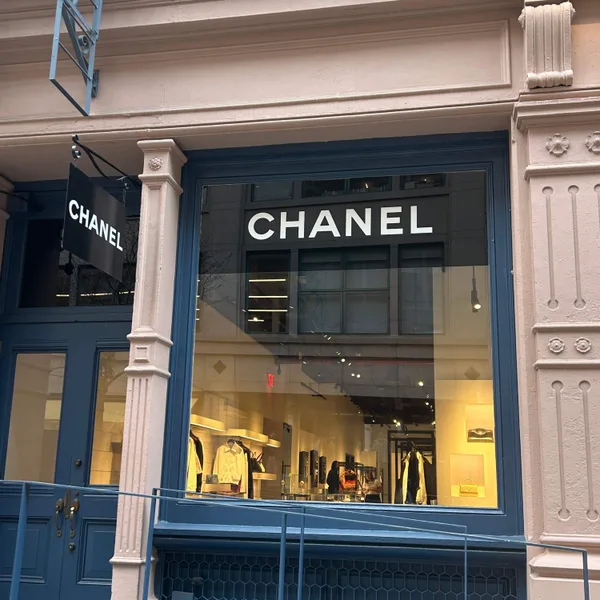
Once upon a time, if you wanted to buy a luxury brand item secondhand (say, a Chanel handbag) you had to have an in. There was no easy way to find one. But over the past decade, the market for secondhand luxury goods has exploded. There are now many online resellers where you can shop for used and discounted luxury items. One big problem — how can you be sure if it’s real and authentic?
Some online resellers claim to have solved this problem. They say they’ve developed a process of authentication, and so buyers can trust that the bag is really Gucci or Cartier or Hermès or whatever. But according to some luxury brands, authenticity is something that is often imitated but never replicated.
In today’s episode of Planet Money, the fight between Chanel and The RealReal. And how luxury brands are reacting to the enormous and growing secondhand market for luxury goods.
Support:
Planet Money+
Read:
Our book: Planet Money: A Guide to the Economic Forces That Shape Your Life
Our weekly longform Planet Money newsletter
Our weekly Indicator round-up newsletter
Follow:
Instagram
TikTok
YouTube
Facebook
This episode of Planet Money was hosted by Amanda Aronczyk and Jeff Guo. It was produced by James Sneed with help from Charlotte Isidore, who also fact checked this episode. Jess Jiang edited the show and it was engineered by Cena Loffredo. Alex Goldmark is Planet Money's executive producer.
See pcm.adswizz.com for information about our collection and use of personal data for sponsorship and to manage your podcast sponsorship preferences.
NPR Privacy Policy
25:38
Once upon a time, if you wanted to buy a luxury brand item secondhand (say, a Chanel handbag) you had to have an in. There was no easy way to find one. But over the past decade, the market for secondhand luxury goods has exploded. There are now many online resellers where you can shop for used and discounted luxury items. One big problem — how can you be sure if it’s real and authentic?
Some online resellers claim to have solved this problem. They say they’ve developed a process of authentication, and so buyers can trust that the bag is really Gucci or Cartier or Hermès or whatever. But according to some luxury brands, authenticity is something that is often imitated but never replicated.
In today’s episode of Planet Money, the fight between Chanel and The RealReal. And how luxury brands are reacting to the enormous and growing secondhand market for luxury goods.
Support:
Planet Money+
Read:
Our book: Planet Money: A Guide to the Economic Forces That Shape Your Life
Our weekly longform Planet Money newsletter
Our weekly Indicator round-up newsletter
Follow:
Instagram
TikTok
YouTube
Facebook
This episode of Planet Money was hosted by Amanda Aronczyk and Jeff Guo. It was produced by James Sneed with help from Charlotte Isidore, who also fact checked this episode. Jess Jiang edited the show and it was engineered by Cena Loffredo. Alex Goldmark is Planet Money's executive producer.
See pcm.adswizz.com for information about our collection and use of personal data for sponsorship and to manage your podcast sponsorship preferences.
NPR Privacy Policy
Come along as we travel the world in search of the best economic ideas to bring home!
From the beaches of Barbuda to the fjords of Norway, there's money (and money problems) everywhere. For this summer travel season, Planet Money Summer School will take you on a world tour for your ears. Pack that sense of wonder and nose for adventure, this is our semester abroad. We’re going to explore exotic locales and discover cultural norms, but we’re also going to buckle down and learn the biggest economic lessons around the world from our guides.
We start as far away as you can get from Planet Money headquarters, New Zealand and Australia. We’ll visit a sheep farm to observe an innovative but controversial market for the most important substance on earth, and we’ll ask when do speculators help and when do they hurt the rest of us? Then, we’ll get to know the economist – and jazz musician – who changed how the entire world fights inflation when he released a secret number to tame the dreaded wild beast. How did that work? Spoiler: it was the great leap forward in economic mind tricks.
Featured Episodes:
Liquid Markets (2021)
The Secret Target (2018)
Featured Terms:
Multiple equilibria
Inflation targeting
Speculators (impact on liquidity)
Support:
Planet Money+
Read:
Our book: Planet Money: A Guide to the Economic Forces That Shape Your Life (Audiobook here)
Our weekly longform Planet Money newsletter
Our weekly Indicator link round-up newsletter
Follow:
Instagram
TikTok
YouTube
Facebook
This episode of Planet Money Summer School is hosted by Robert Smith. It was produced by Sophia Paliza-Carre, fact-checked by Sierra Juarez, and engineered by Annlie Huang with help from Robert Rodriguez.
Music: NPR Source Audio - "The Boy from Ipanema," "Desmontes," "Long Drive,” and “Bondi.”
See pcm.adswizz.com for information about our collection and use of personal data for sponsorship and to manage your podcast sponsorship preferences.
NPR Privacy Policy
37:12
Come along as we travel the world in search of the best economic ideas to bring home!
From the beaches of Barbuda to the fjords of Norway, there's money (and money problems) everywhere. For this summer travel season, Planet Money Summer School will take you on a world tour for your ears. Pack that sense of wonder and nose for adventure, this is our semester abroad. We’re going to explore exotic locales and discover cultural norms, but we’re also going to buckle down and learn the biggest economic lessons around the world from our guides.
We start as far away as you can get from Planet Money headquarters, New Zealand and Australia. We’ll visit a sheep farm to observe an innovative but controversial market for the most important substance on earth, and we’ll ask when do speculators help and when do they hurt the rest of us? Then, we’ll get to know the economist – and jazz musician – who changed how the entire world fights inflation when he released a secret number to tame the dreaded wild beast. How did that work? Spoiler: it was the great leap forward in economic mind tricks.
Featured Episodes:
Liquid Markets (2021)
The Secret Target (2018)
Featured Terms:
Multiple equilibria
Inflation targeting
Speculators (impact on liquidity)
Support:
Planet Money+
Read:
Our book: Planet Money: A Guide to the Economic Forces That Shape Your Life (Audiobook here)
Our weekly longform Planet Money newsletter
Our weekly Indicator link round-up newsletter
Follow:
Instagram
TikTok
YouTube
Facebook
This episode of Planet Money Summer School is hosted by Robert Smith. It was produced by Sophia Paliza-Carre, fact-checked by Sierra Juarez, and engineered by Annlie Huang with help from Robert Rodriguez.
Music: NPR Source Audio - "The Boy from Ipanema," "Desmontes," "Long Drive,” and “Bondi.”
See pcm.adswizz.com for information about our collection and use of personal data for sponsorship and to manage your podcast sponsorship preferences.
NPR Privacy Policy
Lionel Messi is arguably the greatest soccer scorer of all time. But when it comes to penalty kicks, Messi is merely average. Why? Maybe the answer involves game theory.
According to game theory, there’s an optimal strategy for taking penalty kicks. This strategy involves an idea that was once somewhat controversial in economics — that is, until economists started studying soccer players in real life.
On today's show, we kick it over to the hosts of the Soccernomics podcast to explain how game theory has changed soccer, and how soccer has changed game theory.
Watch the penalty shootout between Manchester United and Chelsea in the Champions League final in 2008.
Support:
Planet Money+
Read:
Our book: Planet Money: A Guide to the Economic Forces That Shape Your Life
Our weekly longform Planet Money newsletter
Our weekly Indicator round-up newsletter
Follow:
Instagram
TikTok
YouTube
Facebook
This episode of Planet Money was produced by Emma Peaslee with help from James Sneed. It was edited by Jess Jiang. It was fact checked by Sierra Juarez and engineered by Annlie Huang. Alex Goldmark is our executive producer.
The Soccernomics episode was originally hosted by Ashish Malhotra, Simon Kuper and Stefan Szymanski and sound designed by Alex Roldan.
See pcm.adswizz.com for information about our collection and use of personal data for sponsorship and to manage your podcast sponsorship preferences.
NPR Privacy Policy
17:57
Lionel Messi is arguably the greatest soccer scorer of all time. But when it comes to penalty kicks, Messi is merely average. Why? Maybe the answer involves game theory.
According to game theory, there’s an optimal strategy for taking penalty kicks. This strategy involves an idea that was once somewhat controversial in economics — that is, until economists started studying soccer players in real life.
On today's show, we kick it over to the hosts of the Soccernomics podcast to explain how game theory has changed soccer, and how soccer has changed game theory.
Watch the penalty shootout between Manchester United and Chelsea in the Champions League final in 2008.
Support:
Planet Money+
Read:
Our book: Planet Money: A Guide to the Economic Forces That Shape Your Life
Our weekly longform Planet Money newsletter
Our weekly Indicator round-up newsletter
Follow:
Instagram
TikTok
YouTube
Facebook
This episode of Planet Money was produced by Emma Peaslee with help from James Sneed. It was edited by Jess Jiang. It was fact checked by Sierra Juarez and engineered by Annlie Huang. Alex Goldmark is our executive producer.
The Soccernomics episode was originally hosted by Ashish Malhotra, Simon Kuper and Stefan Szymanski and sound designed by Alex Roldan.
See pcm.adswizz.com for information about our collection and use of personal data for sponsorship and to manage your podcast sponsorship preferences.
NPR Privacy Policy
Will limiting how much students can borrow force schools to lower their prices?
The Department of Education thinks so. It has a new plan to bring down tuition costs. Starting today, July 1st, it’s going to cap how much it’s willing to loan to graduate students.
You read that right. To reduce the burden of school…the plan is to give students less money to pay for school.
This plan is, in part, based on an idea that’s been floating around higher education circles for decades: The Bennett Hypothesis, which claims there’s a direct relationship between student borrowing and tuition prices. And therefore, if the Department of Education — the biggest student loan provider in the country — limits how much students can take out, then schools will have no choice but to charge students less.
This hypothesis was floated roughly 40 years ago...without evidence. But now, as the Trump administration rolls out their Bennettian plan, we have decades of data to see how true this hypothesis is.
Today on the show: NPR Education Correspondent Cory Turner explains this theory, and what the new plan influenced by it will mean for borrowers this fall.
Other notes:
Bill Bennett: “Our Greedy Colleges”
Cory Turner: "July 1 brings big student loan changes. Here's what you need to know"
The Indicator: "What you should know about your student loans"
Support:
Planet Money+
Read:
Our book: Planet Money: A Guide to the Economic Forces That Shape Your Life
Our weekly longform Planet Money newsletter
Our weekly Indicator round-up newsletter
Follow:
Instagram
TikTok
YouTube
Facebook
This episode was hosted by Cory Turner and Kenny Malone. It was produced by Willa Rubin and edited by Marianne McCune. It was fact-checked by Charlotte Isidore and engineered by Robert Rodriguez. Alex Goldmark is our executive producer.
Music: NPR Source Audio - “Morning Chorus,” “Belle Mar,” and “The Sky Was Orange.”
See pcm.adswizz.com for information about our collection and use of personal data for sponsorship and to manage your podcast sponsorship preferences.
NPR Privacy Policy
28:39
Will limiting how much students can borrow force schools to lower their prices?
The Department of Education thinks so. It has a new plan to bring down tuition costs. Starting today, July 1st, it’s going to cap how much it’s willing to loan to graduate students.
You read that right. To reduce the burden of school…the plan is to give students less money to pay for school.
This plan is, in part, based on an idea that’s been floating around higher education circles for decades: The Bennett Hypothesis, which claims there’s a direct relationship between student borrowing and tuition prices. And therefore, if the Department of Education — the biggest student loan provider in the country — limits how much students can take out, then schools will have no choice but to charge students less.
This hypothesis was floated roughly 40 years ago...without evidence. But now, as the Trump administration rolls out their Bennettian plan, we have decades of data to see how true this hypothesis is.
Today on the show: NPR Education Correspondent Cory Turner explains this theory, and what the new plan influenced by it will mean for borrowers this fall.
Other notes:
Bill Bennett: “Our Greedy Colleges”
Cory Turner: "July 1 brings big student loan changes. Here's what you need to know"
The Indicator: "What you should know about your student loans"
Support:
Planet Money+
Read:
Our book: Planet Money: A Guide to the Economic Forces That Shape Your Life
Our weekly longform Planet Money newsletter
Our weekly Indicator round-up newsletter
Follow:
Instagram
TikTok
YouTube
Facebook
This episode was hosted by Cory Turner and Kenny Malone. It was produced by Willa Rubin and edited by Marianne McCune. It was fact-checked by Charlotte Isidore and engineered by Robert Rodriguez. Alex Goldmark is our executive producer.
Music: NPR Source Audio - “Morning Chorus,” “Belle Mar,” and “The Sky Was Orange.”
See pcm.adswizz.com for information about our collection and use of personal data for sponsorship and to manage your podcast sponsorship preferences.
NPR Privacy Policy
Prediction markets aren’t new. Election betting was common until the 1940s, then mysteriously faded away.
There was an entire political era when party bosses were expected to conspicuously gamble on their candidates (even if they secretly hedged).
And in the 1980s, a few economists designed an election market that beat out election polling 74 percent of the time.
Today, we’re running an excerpt from our friends at Throughline, NPR’s excellent history podcast. Subscribe right now if you don’t already. And, listen to their extended version of the episode to hear about the early markets for betting on terrorism and military uses of prediction markets.
Support:
NPR+
Read:
Our book: Planet Money: A Guide to the Economic Forces That Shape Your Life
Our weekly longform Planet Money newsletter
Our weekly Indicator round-up newsletter
Follow:
Instagram
TikTok
YouTube
Facebook
Today's episode was produced for Planet Money by Sam Yellowhorse Kesler, edited by Alex Goldmark, and engineered by Maggie Luthar. The original Throughline episode was produced by Rund Abdelfatah, Casey Miner, Cristina Kim, Devin Katayama, Sarah Wyman, Julia Redpath, and Kyana Moghadam.
See pcm.adswizz.com for information about our collection and use of personal data for sponsorship and to manage your podcast sponsorship preferences.
NPR Privacy Policy
22:57
Prediction markets aren’t new. Election betting was common until the 1940s, then mysteriously faded away.
There was an entire political era when party bosses were expected to conspicuously gamble on their candidates (even if they secretly hedged).
And in the 1980s, a few economists designed an election market that beat out election polling 74 percent of the time.
Today, we’re running an excerpt from our friends at Throughline, NPR’s excellent history podcast. Subscribe right now if you don’t already. And, listen to their extended version of the episode to hear about the early markets for betting on terrorism and military uses of prediction markets.
Support:
NPR+
Read:
Our book: Planet Money: A Guide to the Economic Forces That Shape Your Life
Our weekly longform Planet Money newsletter
Our weekly Indicator round-up newsletter
Follow:
Instagram
TikTok
YouTube
Facebook
Today's episode was produced for Planet Money by Sam Yellowhorse Kesler, edited by Alex Goldmark, and engineered by Maggie Luthar. The original Throughline episode was produced by Rund Abdelfatah, Casey Miner, Cristina Kim, Devin Katayama, Sarah Wyman, Julia Redpath, and Kyana Moghadam.
See pcm.adswizz.com for information about our collection and use of personal data for sponsorship and to manage your podcast sponsorship preferences.
NPR Privacy Policy
Maybe the real monster in the Alien franchise isn’t actually the killer alien. Because behind the acid blood and jump scares is an even more insidious horror: a single employer with unchecked power. That employer is named Weyland-Yutani, a mega-corporation that dominates workers across the galaxy.
Weyland-Yutani is a sort of extreme example of what economists call a monopsony — when one employer dominates a labor market and gains power to underpay and mistreat workers. Sure, it’s science fiction. But a growing number of economists argue that monopsony power is a much bigger deal in the real world than previously thought.
We watch scenes from the movie Alien with labor economist Arin Dube, whose new book, The Wage Standard, shines a spotlight on the problem of monopsony power in the modern economy. We ask Arin what policy ideas he has that would have maybe prevented the worker tragedy seen in Alien. And we use his answer to try and rewrite the movie (spoiler: the movie becomes much shorter and less exciting).
Plus, we speak with Fede Álvarez, the director and co-writer of Alien: Romulus, which puts Weyland-Yutani’s poor treatment of workers front row and center.
For more on monopsony and anti-trust:
The labor economics of 'Alien' — and its lessons for inequality on Earth (PM newsletter)
The hidden power keeping wages low (PM newsletter)
Antitrust In America (PM series)
How we got free agents in baseball (PM episode)
Support:
Planet Money+
Read:
Our book: Planet Money: A Guide to the Economic Forces That Shape Your Life
Our weekly longform Planet Money newsletter
Our weekly Indicator round-up newsletter
Follow:
Instagram
TikTok
YouTube
Facebook
Today's episode of Planet Money was hosted by Greg Rosalsky and Kenny Malone. It was produced by James Sneed, edited by Jess Jiang, fact-checked by Sierra Juarez, and engineered by Robert Rodriguez. Our executive producer is Alex Goldmark.
See pcm.adswizz.com for information about our collection and use of personal data for sponsorship and to manage your podcast sponsorship preferences.
NPR Privacy Policy
32:30
Maybe the real monster in the Alien franchise isn’t actually the killer alien. Because behind the acid blood and jump scares is an even more insidious horror: a single employer with unchecked power. That employer is named Weyland-Yutani, a mega-corporation that dominates workers across the galaxy.
Weyland-Yutani is a sort of extreme example of what economists call a monopsony — when one employer dominates a labor market and gains power to underpay and mistreat workers. Sure, it’s science fiction. But a growing number of economists argue that monopsony power is a much bigger deal in the real world than previously thought.
We watch scenes from the movie Alien with labor economist Arin Dube, whose new book, The Wage Standard, shines a spotlight on the problem of monopsony power in the modern economy. We ask Arin what policy ideas he has that would have maybe prevented the worker tragedy seen in Alien. And we use his answer to try and rewrite the movie (spoiler: the movie becomes much shorter and less exciting).
Plus, we speak with Fede Álvarez, the director and co-writer of Alien: Romulus, which puts Weyland-Yutani’s poor treatment of workers front row and center.
For more on monopsony and anti-trust:
The labor economics of 'Alien' — and its lessons for inequality on Earth (PM newsletter)
The hidden power keeping wages low (PM newsletter)
Antitrust In America (PM series)
How we got free agents in baseball (PM episode)
Support:
Planet Money+
Read:
Our book: Planet Money: A Guide to the Economic Forces That Shape Your Life
Our weekly longform Planet Money newsletter
Our weekly Indicator round-up newsletter
Follow:
Instagram
TikTok
YouTube
Facebook
Today's episode of Planet Money was hosted by Greg Rosalsky and Kenny Malone. It was produced by James Sneed, edited by Jess Jiang, fact-checked by Sierra Juarez, and engineered by Robert Rodriguez. Our executive producer is Alex Goldmark.
See pcm.adswizz.com for information about our collection and use of personal data for sponsorship and to manage your podcast sponsorship preferences.
NPR Privacy Policy
The cyber weapon that might have prevented nuclear war.
The U.S. and Israel have long been in conflict with Iran over their nuclear development program. Some of that conflict has been out in the open, with bombs and blockades, but some of it has been invisible.
Recently some security researchers discovered a cyberweapon likely tied to that invisible conflict. It looks like it was designed to hide on nuclear scientists computers, then throw off their calculations--just as they got close to achieving their goals.
Sounds like something out of science fiction. But it was created 20 years ago.
On today’s show: a whodunit about hackers, ‘Cyber Paleontologists’, spy-vs-spy protocols, cryptic intelligence leaks, nuclear physics, high-precision math, and epistemological warfare.
Pictured: Juan Andres Guerrero Saade (JAGS) and his ‘Fast16 - NOTHING TO SEE HERE, CARRY ON’ tattoo.
Support:
Planet Money+
Read:
Our book: Planet Money: A Guide to the Economic Forces That Shape Your Life
Our weekly longform Planet Money newsletter
Our weekly Indicator round-up newsletter
Follow:
Instagram
TikTok
YouTube
Facebook
This episode was hosted by Nick Fountain and Erika Beras. It was produced by Willa Rubin and edited by Marianne McCune with help from Jess Jiang. It was fact-checked by Charlotte Isidore and engineered by Kwesi Lee. Alex Goldmark is our executive producer.
Music: NPR Source Audio - “High Tech Expert,” “Digital Wave,” and “Hyper Pop.”
See pcm.adswizz.com for information about our collection and use of personal data for sponsorship and to manage your podcast sponsorship preferences.
NPR Privacy Policy
29:42
The cyber weapon that might have prevented nuclear war.
The U.S. and Israel have long been in conflict with Iran over their nuclear development program. Some of that conflict has been out in the open, with bombs and blockades, but some of it has been invisible.
Recently some security researchers discovered a cyberweapon likely tied to that invisible conflict. It looks like it was designed to hide on nuclear scientists computers, then throw off their calculations--just as they got close to achieving their goals.
Sounds like something out of science fiction. But it was created 20 years ago.
On today’s show: a whodunit about hackers, ‘Cyber Paleontologists’, spy-vs-spy protocols, cryptic intelligence leaks, nuclear physics, high-precision math, and epistemological warfare.
Pictured: Juan Andres Guerrero Saade (JAGS) and his ‘Fast16 - NOTHING TO SEE HERE, CARRY ON’ tattoo.
Support:
Planet Money+
Read:
Our book: Planet Money: A Guide to the Economic Forces That Shape Your Life
Our weekly longform Planet Money newsletter
Our weekly Indicator round-up newsletter
Follow:
Instagram
TikTok
YouTube
Facebook
This episode was hosted by Nick Fountain and Erika Beras. It was produced by Willa Rubin and edited by Marianne McCune with help from Jess Jiang. It was fact-checked by Charlotte Isidore and engineered by Kwesi Lee. Alex Goldmark is our executive producer.
Music: NPR Source Audio - “High Tech Expert,” “Digital Wave,” and “Hyper Pop.”
See pcm.adswizz.com for information about our collection and use of personal data for sponsorship and to manage your podcast sponsorship preferences.
NPR Privacy Policy
Can the government stop you from cutting down your own tree? In many towns and cities these days, removing a tree now requires a permit. You might have to pay a fee, or promise to plant replacement trees. But sometimes, the city won't let you cut down the tree at all, even a tree in your own backyard.
That's because trees are important for air quality, for flood control, and for public health. They help keep neighborhoods cool on hot days. But some think that tree protection laws have gone too far — that they might even be unconstitutional.
On today's episode, it's the latest showdown between property rights and local zoning laws. Typically, towns and cities enjoy a lot of power when it comes to zoning and permits. They can ban certain types of buildings. They can make you paint your house a certain color. But can they make it illegal to cut down a tree? And what does it mean to "own" a piece of property anyway?
Support:
Planet Money+
Read:
Our book: Planet Money: A Guide to the Economic Forces That Shape Your Life
Our weekly longform Planet Money newsletter
Our weekly Indicator round-up newsletter
Follow:
Instagram
TikTok
YouTube
Facebook
This episode of Planet Money was hosted by Jeff Guo and Amanda Aronczyk. It was produced by James Sneed and Emma Peaslee, edited by Jess Jiang, and fact-checked by Vito Emanuel. It was engineered by Robert Rodriguez and Cena Loffredo. Alex Goldmark is our executive producer.
See pcm.adswizz.com for information about our collection and use of personal data for sponsorship and to manage your podcast sponsorship preferences.
NPR Privacy Policy
25:15
Can the government stop you from cutting down your own tree? In many towns and cities these days, removing a tree now requires a permit. You might have to pay a fee, or promise to plant replacement trees. But sometimes, the city won't let you cut down the tree at all, even a tree in your own backyard.
That's because trees are important for air quality, for flood control, and for public health. They help keep neighborhoods cool on hot days. But some think that tree protection laws have gone too far — that they might even be unconstitutional.
On today's episode, it's the latest showdown between property rights and local zoning laws. Typically, towns and cities enjoy a lot of power when it comes to zoning and permits. They can ban certain types of buildings. They can make you paint your house a certain color. But can they make it illegal to cut down a tree? And what does it mean to "own" a piece of property anyway?
Support:
Planet Money+
Read:
Our book: Planet Money: A Guide to the Economic Forces That Shape Your Life
Our weekly longform Planet Money newsletter
Our weekly Indicator round-up newsletter
Follow:
Instagram
TikTok
YouTube
Facebook
This episode of Planet Money was hosted by Jeff Guo and Amanda Aronczyk. It was produced by James Sneed and Emma Peaslee, edited by Jess Jiang, and fact-checked by Vito Emanuel. It was engineered by Robert Rodriguez and Cena Loffredo. Alex Goldmark is our executive producer.
See pcm.adswizz.com for information about our collection and use of personal data for sponsorship and to manage your podcast sponsorship preferences.
NPR Privacy Policy
One specific type of affordable housing used to be popular in American cities, kept rents low, then nearly vanished. Is it time to reconsider boarding houses and single room occupancy units? If they lowered rents in cities, why did they go away? We have the history.
Then, let’s talk about corporate landlords. They’re blamed for driving up rents. Studies show they do the opposite. When corporate landlords come to town, they do buy up homes, which can raise the price to buy, but at the same time lower rents. We’ll parse the impact as we consider a Trump administration plan to restrict corporate home ownership.
Related episodes:
Is the YIMBY movement doomed?
How to fix a housing shortage
How to build abundantly
Can Trump make buying a home more affordable?
Support:
NPR+
Read:
Our book: Planet Money: A Guide to the Economic Forces That Shape Your Life
Our weekly longform Planet Money newsletter
Our weekly Indicator round-up newsletter
Follow:
Instagram
TikTok
YouTube
Facebook
The original episodes of the Indicator were hosted by Darian Woods and Wailin Wong. They were produced by Julia Ritchey, Cooper Katz McKim and Corey Bridges with engineering by Travis Hagan and Robert Rodriguez. They were fact checked by Vito Emanuel and Sierra Juarez. Kate Concannon edits the show. This episode of Planet Money was produced by James Sneed with help from Emma Murphy. Alex Goldmark is our executive producer.
See pcm.adswizz.com for information about our collection and use of personal data for sponsorship and to manage your podcast sponsorship preferences.
NPR Privacy Policy
17:47
One specific type of affordable housing used to be popular in American cities, kept rents low, then nearly vanished. Is it time to reconsider boarding houses and single room occupancy units? If they lowered rents in cities, why did they go away? We have the history.
Then, let’s talk about corporate landlords. They’re blamed for driving up rents. Studies show they do the opposite. When corporate landlords come to town, they do buy up homes, which can raise the price to buy, but at the same time lower rents. We’ll parse the impact as we consider a Trump administration plan to restrict corporate home ownership.
Related episodes:
Is the YIMBY movement doomed?
How to fix a housing shortage
How to build abundantly
Can Trump make buying a home more affordable?
Support:
NPR+
Read:
Our book: Planet Money: A Guide to the Economic Forces That Shape Your Life
Our weekly longform Planet Money newsletter
Our weekly Indicator round-up newsletter
Follow:
Instagram
TikTok
YouTube
Facebook
The original episodes of the Indicator were hosted by Darian Woods and Wailin Wong. They were produced by Julia Ritchey, Cooper Katz McKim and Corey Bridges with engineering by Travis Hagan and Robert Rodriguez. They were fact checked by Vito Emanuel and Sierra Juarez. Kate Concannon edits the show. This episode of Planet Money was produced by James Sneed with help from Emma Murphy. Alex Goldmark is our executive producer.
See pcm.adswizz.com for information about our collection and use of personal data for sponsorship and to manage your podcast sponsorship preferences.
NPR Privacy Policy
One reason the $70 billion supplement industry is set to double in the next seven years? Lax regulation.
On today's show, we tell the story of a century-long battle between the U.S. government and … you, the people, blinded by your love of a magic pill.
We’re talking about protein powders, pre-workouts, creatine, stuff for gut health, joint health, vitamin C, turmeric supplements. All that. You might not wanna hear this.
Sources mentioned in the episode:
Marion Nestle, Food Politics
Catherine Price, Vitamania
Support:
Planet Money+
Read:
Our book: Planet Money: A Guide to the Economic Forces That Shape Your Life
Our weekly longform Planet Money newsletter
Our weekly Indicator round-up newsletter
Follow:
Instagram
TikTok
YouTube
Facebook
This episode was hosted by Sarah Gonzalez and Jane Black. It was produced by Sam Yellowhorse Kesler, edited by Marianne McCune, and fact checked by Sierra Juarez with help with Vito Emanuel. It was engineered by Robert Rodriguez with help from Jimmy Keeley. Alex Goldmark is Planet Money’s executive producer.
See pcm.adswizz.com for information about our collection and use of personal data for sponsorship and to manage your podcast sponsorship preferences.
NPR Privacy Policy
34:54
One reason the $70 billion supplement industry is set to double in the next seven years? Lax regulation.
On today's show, we tell the story of a century-long battle between the U.S. government and … you, the people, blinded by your love of a magic pill.
We’re talking about protein powders, pre-workouts, creatine, stuff for gut health, joint health, vitamin C, turmeric supplements. All that. You might not wanna hear this.
Sources mentioned in the episode:
Marion Nestle, Food Politics
Catherine Price, Vitamania
Support:
Planet Money+
Read:
Our book: Planet Money: A Guide to the Economic Forces That Shape Your Life
Our weekly longform Planet Money newsletter
Our weekly Indicator round-up newsletter
Follow:
Instagram
TikTok
YouTube
Facebook
This episode was hosted by Sarah Gonzalez and Jane Black. It was produced by Sam Yellowhorse Kesler, edited by Marianne McCune, and fact checked by Sierra Juarez with help with Vito Emanuel. It was engineered by Robert Rodriguez with help from Jimmy Keeley. Alex Goldmark is Planet Money’s executive producer.
See pcm.adswizz.com for information about our collection and use of personal data for sponsorship and to manage your podcast sponsorship preferences.
NPR Privacy Policy
Have you ever walked around a street, mall, or airport and noticed two or three of the same franchise restaurant within walking distance? Why might one Starbucks or McDonald’s or Wetzel’s Pretzels sometimes be built so close to another? Are they friends or competitors? And how can that possibly be profitable?
Today’s show is one such example. Our pals at Hyperfixed got a knotty question we just had to help them untangle: Why are there so many Wetzel’s Pretzels so close to one another at the Atlantic Avenue-Barclays Center Station?
To find out, Alexi Horowitz-Ghazi followed the dough all the way to the top. His journey led him to a jolly pretzel executive, a franchisee with a deep-fried American dream, and a brush with mall security.
Support:
Planet Money+
Read:
Our book: Planet Money: A Guide to the Economic Forces That Shape Your Life
Our weekly longform Planet Money newsletter
Our weekly Indicator round-up newsletter
Follow:
Instagram
TikTok
YouTube
Facebook
This episode was hosted by Alex Goldman and Alexi Horowitz-Ghazi. Hyperfixed is produced and edited by Emma Courtland, Amor Yates, Sari Soffer Sukenik and Tori Dominguez Peak. The music is by the mysterious Breakmaster Cylinder and Alex Goldman. It was engineered by Tony Williams. Fact checking by Naomi Barr. The Planet Money version was produced by Sam Yellowhorse Kesler and edited by Jess Jiang. It was engineered by Robert Rodriguez. Alex Goldmark is Planet Money’s executive producer.
See pcm.adswizz.com for information about our collection and use of personal data for sponsorship and to manage your podcast sponsorship preferences.
NPR Privacy Policy
27:23
Have you ever walked around a street, mall, or airport and noticed two or three of the same franchise restaurant within walking distance? Why might one Starbucks or McDonald’s or Wetzel’s Pretzels sometimes be built so close to another? Are they friends or competitors? And how can that possibly be profitable?
Today’s show is one such example. Our pals at Hyperfixed got a knotty question we just had to help them untangle: Why are there so many Wetzel’s Pretzels so close to one another at the Atlantic Avenue-Barclays Center Station?
To find out, Alexi Horowitz-Ghazi followed the dough all the way to the top. His journey led him to a jolly pretzel executive, a franchisee with a deep-fried American dream, and a brush with mall security.
Support:
Planet Money+
Read:
Our book: Planet Money: A Guide to the Economic Forces That Shape Your Life
Our weekly longform Planet Money newsletter
Our weekly Indicator round-up newsletter
Follow:
Instagram
TikTok
YouTube
Facebook
This episode was hosted by Alex Goldman and Alexi Horowitz-Ghazi. Hyperfixed is produced and edited by Emma Courtland, Amor Yates, Sari Soffer Sukenik and Tori Dominguez Peak. The music is by the mysterious Breakmaster Cylinder and Alex Goldman. It was engineered by Tony Williams. Fact checking by Naomi Barr. The Planet Money version was produced by Sam Yellowhorse Kesler and edited by Jess Jiang. It was engineered by Robert Rodriguez. Alex Goldmark is Planet Money’s executive producer.
See pcm.adswizz.com for information about our collection and use of personal data for sponsorship and to manage your podcast sponsorship preferences.
NPR Privacy Policy