Travis Heath talks with Myriam Barthes, co-founder of Journey Clinical, a network supporting therapists who provide ketamine-assisted psychotherapy. Myriam's path ran from finance, management consulting, and AI to psychedelic medicine after her own recovery from trauma following a serious car accident. Together they look at what psychedelics can and cannot do, why preparation, dosing, and integration belong together, and what therapists should consider before bringing these treatments into their work.
**In this episode**
- [01:39] Myriam's path from finance, consulting, and AI, and the car accident that led her to ketamine-assisted therapy
- [03:54] Building Journey Clinical: a collaborative care model, training, and peer consultation for therapists
- [04:55] What is on the horizon: psilocybin and a pipeline of psychedelic clinical trials
- [06:32] Why the experience is "ineffable," and the preparation, dosing, and integration framework
- [08:27] Psychedelics as neutral amplifiers that "show us who we already were"
- [10:14] The inward journey: set and setting, safety, and the therapist's role
- [13:22] "I'm stuck": the doorway for bringing this up with a client, and relief for stuck therapists
- [14:29] Psychedelic-assisted psychotherapy versus taking psychedelics alone at home
- [15:53] What "ego death" means, and working with expectations, hype, and fear
- [23:07] Skepticism among therapists, and whether every therapist needs to practice this
- [25:19] Who may be a good candidate, and why medical screening matters
- [29:15] What integration looks like, from an artist's gallery show to a veteran walking his daughter down the aisle
- [33:56] Difficult experiences and "bad trips" as therapeutic openings
- [38:33] From counterculture to commercialization
- [43:08] Psychedelics and AI: optimization versus a shift in perspective
- [45:45] How therapists can learn more and get trained
39:41
Travis Heath talks with Myriam Barthes, co-founder of Journey Clinical, a network supporting therapists who provide ketamine-assisted psychotherapy. Myriam's path ran from finance, management consulting, and AI to psychedelic medicine after her own recovery from trauma following a serious car accident. Together they look at what psychedelics can and cannot do, why preparation, dosing, and integration belong together, and what therapists should consider before bringing these treatments into their work.
**In this episode**
- [01:39] Myriam's path from finance, consulting, and AI, and the car accident that led her to ketamine-assisted therapy
- [03:54] Building Journey Clinical: a collaborative care model, training, and peer consultation for therapists
- [04:55] What is on the horizon: psilocybin and a pipeline of psychedelic clinical trials
- [06:32] Why the experience is "ineffable," and the preparation, dosing, and integration framework
- [08:27] Psychedelics as neutral amplifiers that "show us who we already were"
- [10:14] The inward journey: set and setting, safety, and the therapist's role
- [13:22] "I'm stuck": the doorway for bringing this up with a client, and relief for stuck therapists
- [14:29] Psychedelic-assisted psychotherapy versus taking psychedelics alone at home
- [15:53] What "ego death" means, and working with expectations, hype, and fear
- [23:07] Skepticism among therapists, and whether every therapist needs to practice this
- [25:19] Who may be a good candidate, and why medical screening matters
- [29:15] What integration looks like, from an artist's gallery show to a veteran walking his daughter down the aisle
- [33:56] Difficult experiences and "bad trips" as therapeutic openings
- [38:33] From counterculture to commercialization
- [43:08] Psychedelics and AI: optimization versus a shift in perspective
- [45:45] How therapists can learn more and get trained
In this solo episode, Travis Heath shares the story of a couple whose conflicts looked very different at home than they did in session. The reason: they had been arguing by text, from different rooms of the same house, with ChatGPT helping shape their replies. Travis walks through his first reaction (this can't be healthy), the curiosity that replaced it, and the larger questions the case raised about outsourcing difficult conversations, AI-mediated selves, and the role imperfection plays in intimacy. He doesn't offer a verdict. He's thinking it through with you, and he wants to hear what you're seeing in your own work.
In this episode
- [00:41] The couple who communicated well at home and poorly in session, and Travis's first thought: is therapy itself the problem?
- [04:13] The reveal: arguments happening over text, in different rooms of the same house, with ChatGPT writing the responses
- [04:30] Travis's initial reaction, his own generational bias, and choosing curiosity over judgment
- [08:04] How AI helped the couple slow down and loosen the grip of defensiveness
- [10:55] Assistance vs. substitution: when does a communication aid become a surrogate?
- [12:52] Sounding empathic vs. being empathic, and the capacity to tolerate a partner's anger or defensiveness in real time
- [15:06] Difficult conversations as practice: silence, rupture, repair, and whether AI weakens the "muscle" (with a parallel to AI and learning in academia)
- [18:29] "What happens when text me is better than actual me?" The gap between an AI-mediated self and an embodied self
- [20:25] Are we starting to expect people to communicate as polished as AI?
- [22:11] The intimacy of imperfect communication: hesitation, stumbling, and asking to start over
- [23:19] When communication gets objectively better but reveals less about who we are
- [25:48] Four prompts Travis and the couple developed to use AI as a rehearsal space
- [27:46] The question that started it all, and why "what are we practicing, and what are we outsourcing?" matters for clinicians
33:58
In this solo episode, Travis Heath shares the story of a couple whose conflicts looked very different at home than they did in session. The reason: they had been arguing by text, from different rooms of the same house, with ChatGPT helping shape their replies. Travis walks through his first reaction (this can't be healthy), the curiosity that replaced it, and the larger questions the case raised about outsourcing difficult conversations, AI-mediated selves, and the role imperfection plays in intimacy. He doesn't offer a verdict. He's thinking it through with you, and he wants to hear what you're seeing in your own work.
In this episode
- [00:41] The couple who communicated well at home and poorly in session, and Travis's first thought: is therapy itself the problem?
- [04:13] The reveal: arguments happening over text, in different rooms of the same house, with ChatGPT writing the responses
- [04:30] Travis's initial reaction, his own generational bias, and choosing curiosity over judgment
- [08:04] How AI helped the couple slow down and loosen the grip of defensiveness
- [10:55] Assistance vs. substitution: when does a communication aid become a surrogate?
- [12:52] Sounding empathic vs. being empathic, and the capacity to tolerate a partner's anger or defensiveness in real time
- [15:06] Difficult conversations as practice: silence, rupture, repair, and whether AI weakens the "muscle" (with a parallel to AI and learning in academia)
- [18:29] "What happens when text me is better than actual me?" The gap between an AI-mediated self and an embodied self
- [20:25] Are we starting to expect people to communicate as polished as AI?
- [22:11] The intimacy of imperfect communication: hesitation, stumbling, and asking to start over
- [23:19] When communication gets objectively better but reveals less about who we are
- [25:48] Four prompts Travis and the couple developed to use AI as a rehearsal space
- [27:46] The question that started it all, and why "what are we practicing, and what are we outsourcing?" matters for clinicians
“The label doesn't have to be negative or destructive to be powerful. Now, that doesn't also mean that it's valid.”
Two clients can receive the same diagnosis and look very different from one another. In this episode, Travis Heath talks with Dr. Greg Neimeyer about why diagnosis is shifting from categories to dimensions, how the DSM and ICD are being pushed toward each other, and the role culture and context play in diagnosis. They also get into the power of a label, from the relief of finally having a name for what you're feeling to the risk of a diagnosis becoming an identity.
It’s a nuanced take for anyone in a love-hate relationship with the DSM.
New episode of Therapist Confidential. https://www.psychotherapy.net/perspectives/podcasts/greg-neimeyer-on-diagnosis-dimensions-and-the-dsm/
#TherapistConfidential #DSM5TR #ICD11 #PsychiatricDiagnosis #MentalHealth #Psychotherapy #Therapists #ClinicalPsychology
0:47
“The label doesn't have to be negative or destructive to be powerful. Now, that doesn't also mean that it's valid.”
Two clients can receive the same diagnosis and look very different from one another. In this episode, Travis Heath talks with Dr. Greg Neimeyer about why diagnosis is shifting from categories to dimensions, how the DSM and ICD are being pushed toward each other, and the role culture and context play in diagnosis. They also get into the power of a label, from the relief of finally having a name for what you're feeling to the risk of a diagnosis becoming an identity.
It’s a nuanced take for anyone in a love-hate relationship with the DSM.
New episode of Therapist Confidential. https://www.psychotherapy.net/perspectives/podcasts/greg-neimeyer-on-diagnosis-dimensions-and-the-dsm/
#TherapistConfidential #DSM5TR #ICD11 #PsychiatricDiagnosis #MentalHealth #Psychotherapy #Therapists #ClinicalPsychology
Most of us were trained to live inside the DSM, but the DSM is literally extracted from the ICD, and the two systems are now being pushed to harmonize. In this episode, Travis Heath talks with Dr. Greg Neimeyer, CEO of the Performance CE Institute, longtime University of Florida psychology professor, and former APA associate executive director for continuing education, about what that convergence means for how we diagnose. Greg, a constructivist with a deep working knowledge of psychiatric diagnosis, traces the shift from categorical to dimensional models, the DSM's politics and constraints, the role culture and social context play in diagnosis, past and present, and the power of a label to bring relief or to harden into identity. They close by imagining what diagnosis might look like if we designed it from the ground up.
Topics and questions covered
~00:03:32 Why therapists should care about what's happening with the DSM and ICD
~00:03:49 From a psychoanalytic DSM to DSM-5-TR: how fast diagnosis has changed
~00:04:55 The DSM as the "Adam's rib" of the ICD, open access vs. proprietary, and the push to harmonize
~00:07:04 Where they still diverge: complex PTSD
~00:07:58 What dimensional diagnosis means in practice, and why it matters (the categorical problem, with depression as the example)
~00:09:51 Why personality disorders and eating disorders were expected to go dimensional first
~00:12:00 ICD-11 drops categorical personality disorders; why the DSM has been slower to follow
~00:12:50 The DSM's constraints: conservatism, revenue, and the problem of choosing dimensions (including proprietary systems like Millon's)
~00:16:40 What it means to call a diagnostic system "scientific": Spitzer's pillars, multiaxial, and the neurobiological assumption
~00:19:42 The APA's Future of the DSM Strategic Committee and its Cultural and Environmental Determinants subcommittee
~00:21:22 Social determinants of health, Z codes, and how context shapes presentation
~00:22:22 Hysteria and "idioms of distress": diagnoses as culturally contingent
~00:23:38 Do dimensions really shift the medical model? The DSM's biological retreat and its biomarkers subcommittee
~00:25:33 Diagnosis and power, and the practicum story of a client reading his file
~00:28:51 When a label brings relief; "viable" vs. "valid"
~00:30:58 When diagnoses become identities, and narrative therapy's externalization
~00:33:34 The gap between reimbursement language and clinical language, and the role of clinical utility and functioning
~00:38:30 AI and diagnostic reliability, including speech-based biomarkers
~00:41:52 Rethinking diagnosis from the ground up: problems in living, a place for biologically driven disorders, and whole-person models
~00:44:42 Closing: moving past "pro-DSM" and "anti-DSM" camps
Resources and mentions
Diagnostic and Statistical Manual of Mental Disorders, Fifth Edition, Text Revision (DSM-5-TR), American Psychiatric Association
International Classification of Diseases (ICD-10 and ICD-11), World Health Organization
The DSM-5 hybrid dimensional-categorical model for personality disorders, and ICD-11's dimensional personality disorder model
Complex PTSD (recognized in ICD-11, not in the DSM)
Robert Spitzer and the DSM-III's evidence-based, atheoretical approach
Theodore Millon's multiaxial personality system (a proprietary dimensional approach)
Hans Vaihinger and the philosophy of "functional fictions"
The APA's Future of the DSM Strategic Committee (dimensional diagnosis, cultural and environmental determinants, biomarkers, and clinical utility)
Social determinants of health and ICD Z codes
Michael White and narrative therapy (externalization of the problem)
Connect with Dr. Greg Neimeyer
Website: https://performancece.org/
LinkedIn: https://www.linkedin.com/in/greg-neimeyer-536493111/
About Therapist Confidential
Therapist Confidential is a psychotherapy.net podcast hosted by Travis Heath. Listen and find more episodes at https://www.psychotherapy.net/perspectives/podcasts/
45:16
Most of us were trained to live inside the DSM, but the DSM is literally extracted from the ICD, and the two systems are now being pushed to harmonize. In this episode, Travis Heath talks with Dr. Greg Neimeyer, CEO of the Performance CE Institute, longtime University of Florida psychology professor, and former APA associate executive director for continuing education, about what that convergence means for how we diagnose. Greg, a constructivist with a deep working knowledge of psychiatric diagnosis, traces the shift from categorical to dimensional models, the DSM's politics and constraints, the role culture and social context play in diagnosis, past and present, and the power of a label to bring relief or to harden into identity. They close by imagining what diagnosis might look like if we designed it from the ground up.
Topics and questions covered
~00:03:32 Why therapists should care about what's happening with the DSM and ICD
~00:03:49 From a psychoanalytic DSM to DSM-5-TR: how fast diagnosis has changed
~00:04:55 The DSM as the "Adam's rib" of the ICD, open access vs. proprietary, and the push to harmonize
~00:07:04 Where they still diverge: complex PTSD
~00:07:58 What dimensional diagnosis means in practice, and why it matters (the categorical problem, with depression as the example)
~00:09:51 Why personality disorders and eating disorders were expected to go dimensional first
~00:12:00 ICD-11 drops categorical personality disorders; why the DSM has been slower to follow
~00:12:50 The DSM's constraints: conservatism, revenue, and the problem of choosing dimensions (including proprietary systems like Millon's)
~00:16:40 What it means to call a diagnostic system "scientific": Spitzer's pillars, multiaxial, and the neurobiological assumption
~00:19:42 The APA's Future of the DSM Strategic Committee and its Cultural and Environmental Determinants subcommittee
~00:21:22 Social determinants of health, Z codes, and how context shapes presentation
~00:22:22 Hysteria and "idioms of distress": diagnoses as culturally contingent
~00:23:38 Do dimensions really shift the medical model? The DSM's biological retreat and its biomarkers subcommittee
~00:25:33 Diagnosis and power, and the practicum story of a client reading his file
~00:28:51 When a label brings relief; "viable" vs. "valid"
~00:30:58 When diagnoses become identities, and narrative therapy's externalization
~00:33:34 The gap between reimbursement language and clinical language, and the role of clinical utility and functioning
~00:38:30 AI and diagnostic reliability, including speech-based biomarkers
~00:41:52 Rethinking diagnosis from the ground up: problems in living, a place for biologically driven disorders, and whole-person models
~00:44:42 Closing: moving past "pro-DSM" and "anti-DSM" camps
Resources and mentions
Diagnostic and Statistical Manual of Mental Disorders, Fifth Edition, Text Revision (DSM-5-TR), American Psychiatric Association
International Classification of Diseases (ICD-10 and ICD-11), World Health Organization
The DSM-5 hybrid dimensional-categorical model for personality disorders, and ICD-11's dimensional personality disorder model
Complex PTSD (recognized in ICD-11, not in the DSM)
Robert Spitzer and the DSM-III's evidence-based, atheoretical approach
Theodore Millon's multiaxial personality system (a proprietary dimensional approach)
Hans Vaihinger and the philosophy of "functional fictions"
The APA's Future of the DSM Strategic Committee (dimensional diagnosis, cultural and environmental determinants, biomarkers, and clinical utility)
Social determinants of health and ICD Z codes
Michael White and narrative therapy (externalization of the problem)
Connect with Dr. Greg Neimeyer
Website: https://performancece.org/
LinkedIn: https://www.linkedin.com/in/greg-neimeyer-536493111/
About Therapist Confidential
Therapist Confidential is a psychotherapy.net podcast hosted by Travis Heath. Listen and find more episodes at https://www.psychotherapy.net/perspectives/podcasts/
In this solo episode, Travis Heath questions one of the most familiar ideas in therapy and everyday life: that underneath all the expectations, family influences, and cultural pressures, there is a real, authentic self waiting to be discovered. Travis, who first met the idea in graduate school and accepted it without question, now wonders whether people work that way at all. He explores why we show up differently with our kids, friends, students, and clients without being fake, how “I don’t care what anyone thinks” can become a performance of authenticity, and why the search for the “real you” can turn from liberating into exhausting. He draws a line between behaving authentically in a moment and finding the authentic self, and closes with more immediate questions we might ask instead.
Topics and questions covered :
00:09 Welcome and setup: a solo episode on the “authentic self”
00:53 What do we actually mean by “be yourself,” “find yourself,” and “live authentically”?
01:29 The big assumption: a real version of us underneath everything else, waiting to be uncovered
02:28 What if the self isn’t hidden? Everything that has shaped us, from family and culture to what we find funny
03:27 There was never a fully formed “me” before the influences arrived
04:05 Different versions of ourselves across contexts, and the trap of asking “which one is the authentic one?”
06:13 Shame, vulnerability, and why vulnerability emerges in relationship rather than being performed
07:39 Multiple versions of ourselves as a feature of being relational, not evidence of being inauthentic
08:23 “I don’t care what anybody thinks” as a declaration of freedom, and why Travis no longer aspires to it
09:01 Whose opinions matter, and when other people’s experience of us tells us something we can’t see
11:19 How therapy can treat the real self as the destination, and the questions that help or hurt
12:37 What if we don’t know what we want, want contradictory things, or want to be someone different in six months?
13:20 Behaving authentically in a moment versus finding the authentic self
13:58 How boring would it be to find it? Evolving, changing, and being surprised by ourselves
15:55 Why changing doesn’t make earlier versions of us fraudulent
16:10 When authenticity turns from liberation into pressure and exhaustion
16:55 Love, relationships, and why compromise isn’t automatically self-betrayal
17:41 The limits of the argument: unexamined expectations and silencing ourselves to keep relationships
18:54 The case for a little less certainty about ourselves
20:30 Identity needs enough stability to orient us and enough flexibility to surprise us
21:15 Summing up: more immediate questions to ask instead of “who am I really?”
22:24 Closing and an invitation to share your thoughts
Resources and mentions
Travis’s earlier discussion of certainty on the podcast, “Staying Curious in a Culture of Certainty” https://www.psychotherapy.net/perspectives/podcasts/staying-curious-in-culture-of-certainty/
More with Travis' approach: https://www.psychotherapy.net/product/reimagining-multiculturalism-a-contemporary-narrative-approach/
23:04
In this solo episode, Travis Heath questions one of the most familiar ideas in therapy and everyday life: that underneath all the expectations, family influences, and cultural pressures, there is a real, authentic self waiting to be discovered. Travis, who first met the idea in graduate school and accepted it without question, now wonders whether people work that way at all. He explores why we show up differently with our kids, friends, students, and clients without being fake, how “I don’t care what anyone thinks” can become a performance of authenticity, and why the search for the “real you” can turn from liberating into exhausting. He draws a line between behaving authentically in a moment and finding the authentic self, and closes with more immediate questions we might ask instead.
Topics and questions covered :
00:09 Welcome and setup: a solo episode on the “authentic self”
00:53 What do we actually mean by “be yourself,” “find yourself,” and “live authentically”?
01:29 The big assumption: a real version of us underneath everything else, waiting to be uncovered
02:28 What if the self isn’t hidden? Everything that has shaped us, from family and culture to what we find funny
03:27 There was never a fully formed “me” before the influences arrived
04:05 Different versions of ourselves across contexts, and the trap of asking “which one is the authentic one?”
06:13 Shame, vulnerability, and why vulnerability emerges in relationship rather than being performed
07:39 Multiple versions of ourselves as a feature of being relational, not evidence of being inauthentic
08:23 “I don’t care what anybody thinks” as a declaration of freedom, and why Travis no longer aspires to it
09:01 Whose opinions matter, and when other people’s experience of us tells us something we can’t see
11:19 How therapy can treat the real self as the destination, and the questions that help or hurt
12:37 What if we don’t know what we want, want contradictory things, or want to be someone different in six months?
13:20 Behaving authentically in a moment versus finding the authentic self
13:58 How boring would it be to find it? Evolving, changing, and being surprised by ourselves
15:55 Why changing doesn’t make earlier versions of us fraudulent
16:10 When authenticity turns from liberation into pressure and exhaustion
16:55 Love, relationships, and why compromise isn’t automatically self-betrayal
17:41 The limits of the argument: unexamined expectations and silencing ourselves to keep relationships
18:54 The case for a little less certainty about ourselves
20:30 Identity needs enough stability to orient us and enough flexibility to surprise us
21:15 Summing up: more immediate questions to ask instead of “who am I really?”
22:24 Closing and an invitation to share your thoughts
Resources and mentions
Travis’s earlier discussion of certainty on the podcast, “Staying Curious in a Culture of Certainty” https://www.psychotherapy.net/perspectives/podcasts/staying-curious-in-culture-of-certainty/
More with Travis' approach: https://www.psychotherapy.net/product/reimagining-multiculturalism-a-contemporary-narrative-approach/
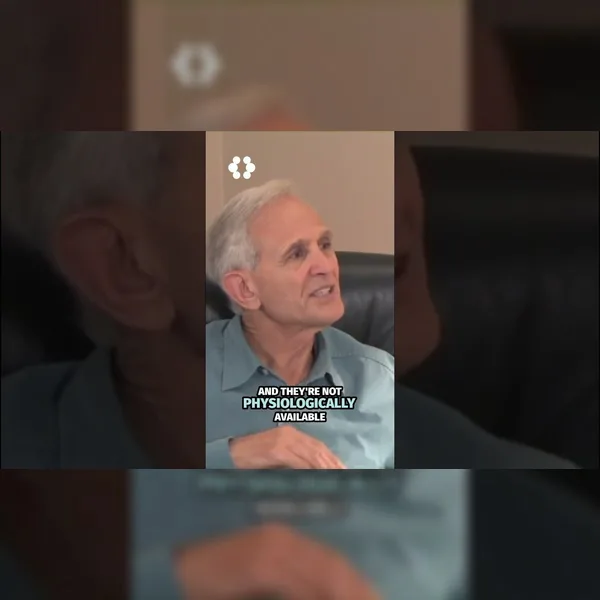
Peter Levine explains how physiological openness can be overlooked in talk therapy and how that can be detrimental to the therapeutic process.
#peterlevine #therapy #trauma
0:26
Peter Levine explains how physiological openness can be overlooked in talk therapy and how that can be detrimental to the therapeutic process.
#peterlevine #therapy #trauma
In this episode of Therapist Confidential, Travis Heath talks with Derrick Paladino, professor of counseling and department chair at Rollins College, about the research he calls his "me-search": multiracial identity. Travis and Derrick trade stories about the "What are you?" question, checkboxes that said "select only one," and graduate textbooks that held no place for them. Derrick explains what counselors can learn about working with multiracial clients, including a humbling story about his own first biracial client. The second half turns to what Derrick has learned doing decades of crisis counseling: how to balance assessment with human connection, the "trickle-down reflection" method he teaches for asking about suicide, and why today's college students are more open about mental health but often can't get enough care.
Topics covered:
[01:13] Derrick's path: 20 years at Rollins, private practice, and a small cohort-based counseling program
[05:36] Growing up biracial (Puerto Rican and white) in a small Connecticut town, and finding himself in two sentences of Sue & Sue
[07:10] Carlos Poston's biracial identity development model, and the first quantitative study of biracial college students, done with paper packets through the mail
[10:08] Stonequist's "marginal man," living on the fence, and learning to read rooms
[12:49] The "What are you?" question, Family Feud–style guesses, and "You would have to pay me a lot of money to get that answer"
[16:17] Travis's story from Coeur d'Alene, Idaho, and telling curious "What are you?" questions apart from hostile ones
[18:45] The one-drop rule, "Where are you from?", and "Paladino's Italian" as a childhood survival strategy
[21:49] Derrick's first biracial client: "Slow your roll." Following the client's lead on identity
[23:25] "The most complex identity, but the shortest chapter in the book": gaps in multicultural training
[24:57] Research opportunities, a multidisciplinary multiracial conference, and the value of community
[27:08] How the naming has changed (biracial, multiracial, multiple heritage) and "call yourself whatever you want"
[29:56] Multiracial identity in a polarized climate: "the boxes have become more dangerous"
[33:50] Getting into crisis work: Alachua County Crisis Center, dorm calls, and crisis wards
[38:12] "You were making me depressed": the supervisor who tapped him out of the well
[39:18] The trickle-down reflection method and the "tiny atom of hope"
[40:45] Making hard intake questions feel neutral: "I ask this of everyone who sits in front of me"
[42:24] College students today: more mental health awareness, but capped sessions and understaffed counseling centers
[44:51] Lawnmower, Zamboni, and "airstrike" parents
[46:58] Staying curious, and never responding to an n of one
Resources & Mentions
Counseling Multiple Heritage Individuals, Couples, and Families, Richard C. Henriksen Jr. & Derrick A. Paladino (ACA). This is the book Derrick refers to as "our book."
Crisis Counseling: 7 Steps to Effective Intervention, Derrick Paladino's course on psychotherapy.net: https://www.psychotherapy.net/video/crisis-counseling-effective-intervention-online-course
Foundations in Becoming a Professional Counselor: Advocacy, Social Justice, and Intersectionality, Puig, Swank, Haynes-Thoby & Paladino (Springer)
W. S. Carlos Poston, "The Biracial Identity Development Model: A Needed Addition," Journal of Counseling & Development (1990)
Maria P. P. Root's work on multiracial identity
Everett V. Stonequist, The Marginal Man: A Study in Personality and Culture Conflict (1937)
Derald Wing Sue & David Sue, Counseling the Culturally Diverse
Half and Half: Writers on Growing Up Biracial and Bicultural, ed. Claudine Chiawei O'Hearn
ACA Competencies for Counseling the Multiracial Population, and ACA's multiracial interest network
Critical Mixed Race Studies (CMRS) Conference, a multidisciplinary conference on mixed race studies: https://criticalmixedracestudies.com/
Alachua County Crisis Center (Gainesville, FL)
Carl Rogers and person-centered counseling
Forthcoming book on brief therapy by Derrick Paladino and Kaitlin Bennett
49:03
In this episode of Therapist Confidential, Travis Heath talks with Derrick Paladino, professor of counseling and department chair at Rollins College, about the research he calls his "me-search": multiracial identity. Travis and Derrick trade stories about the "What are you?" question, checkboxes that said "select only one," and graduate textbooks that held no place for them. Derrick explains what counselors can learn about working with multiracial clients, including a humbling story about his own first biracial client. The second half turns to what Derrick has learned doing decades of crisis counseling: how to balance assessment with human connection, the "trickle-down reflection" method he teaches for asking about suicide, and why today's college students are more open about mental health but often can't get enough care.
Topics covered:
[01:13] Derrick's path: 20 years at Rollins, private practice, and a small cohort-based counseling program
[05:36] Growing up biracial (Puerto Rican and white) in a small Connecticut town, and finding himself in two sentences of Sue & Sue
[07:10] Carlos Poston's biracial identity development model, and the first quantitative study of biracial college students, done with paper packets through the mail
[10:08] Stonequist's "marginal man," living on the fence, and learning to read rooms
[12:49] The "What are you?" question, Family Feud–style guesses, and "You would have to pay me a lot of money to get that answer"
[16:17] Travis's story from Coeur d'Alene, Idaho, and telling curious "What are you?" questions apart from hostile ones
[18:45] The one-drop rule, "Where are you from?", and "Paladino's Italian" as a childhood survival strategy
[21:49] Derrick's first biracial client: "Slow your roll." Following the client's lead on identity
[23:25] "The most complex identity, but the shortest chapter in the book": gaps in multicultural training
[24:57] Research opportunities, a multidisciplinary multiracial conference, and the value of community
[27:08] How the naming has changed (biracial, multiracial, multiple heritage) and "call yourself whatever you want"
[29:56] Multiracial identity in a polarized climate: "the boxes have become more dangerous"
[33:50] Getting into crisis work: Alachua County Crisis Center, dorm calls, and crisis wards
[38:12] "You were making me depressed": the supervisor who tapped him out of the well
[39:18] The trickle-down reflection method and the "tiny atom of hope"
[40:45] Making hard intake questions feel neutral: "I ask this of everyone who sits in front of me"
[42:24] College students today: more mental health awareness, but capped sessions and understaffed counseling centers
[44:51] Lawnmower, Zamboni, and "airstrike" parents
[46:58] Staying curious, and never responding to an n of one
Resources & Mentions
Counseling Multiple Heritage Individuals, Couples, and Families, Richard C. Henriksen Jr. & Derrick A. Paladino (ACA). This is the book Derrick refers to as "our book."
Crisis Counseling: 7 Steps to Effective Intervention, Derrick Paladino's course on psychotherapy.net: https://www.psychotherapy.net/video/crisis-counseling-effective-intervention-online-course
Foundations in Becoming a Professional Counselor: Advocacy, Social Justice, and Intersectionality, Puig, Swank, Haynes-Thoby & Paladino (Springer)
W. S. Carlos Poston, "The Biracial Identity Development Model: A Needed Addition," Journal of Counseling & Development (1990)
Maria P. P. Root's work on multiracial identity
Everett V. Stonequist, The Marginal Man: A Study in Personality and Culture Conflict (1937)
Derald Wing Sue & David Sue, Counseling the Culturally Diverse
Half and Half: Writers on Growing Up Biracial and Bicultural, ed. Claudine Chiawei O'Hearn
ACA Competencies for Counseling the Multiracial Population, and ACA's multiracial interest network
Critical Mixed Race Studies (CMRS) Conference, a multidisciplinary conference on mixed race studies: https://criticalmixedracestudies.com/
Alachua County Crisis Center (Gainesville, FL)
Carl Rogers and person-centered counseling
Forthcoming book on brief therapy by Derrick Paladino and Kaitlin Bennett
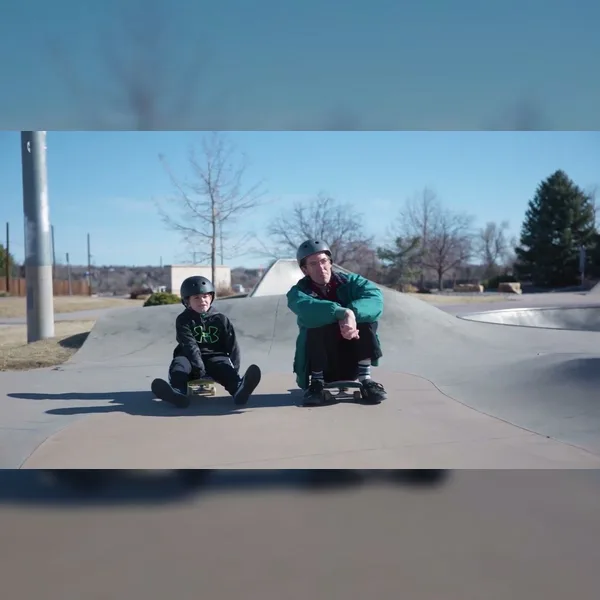
Discover how traditional therapeutic principles can extend beyond the therapy office and into the real world. Using skateboarding as an example, Clayton Norman illustrates how therapists can harness young clients’ existing interests, subcultures, and strengths to deepen engagement, uncover important life narratives, and promote lasting growth. Get the full video here: https://www.psychotherapy.net/product/skate-therapy
2:05
Discover how traditional therapeutic principles can extend beyond the therapy office and into the real world. Using skateboarding as an example, Clayton Norman illustrates how therapists can harness young clients’ existing interests, subcultures, and strengths to deepen engagement, uncover important life narratives, and promote lasting growth. Get the full video here: https://www.psychotherapy.net/product/skate-therapy
"There's this question that creeps in almost immediately, and that question is: what's next?"
In this solo episode of Therapist Confidential, host Travis Heath admits something that feels almost taboo for a therapist to say: goals are overrated. After two decades in the therapy room, he's watched clients struggle after long-saught goals are reached — and he's come to believe habits and processes serve us better than goals and destinations ever could.
This one might change how you think about goals for yourself and your clients. 🎧 Link in bio.
#TherapistConfidential #GoalsVsProcess #Psychotherapy #MentalHealthPodcast #TherapistLife #AchievementCulture #TravisHeath
0:56
"There's this question that creeps in almost immediately, and that question is: what's next?"
In this solo episode of Therapist Confidential, host Travis Heath admits something that feels almost taboo for a therapist to say: goals are overrated. After two decades in the therapy room, he's watched clients struggle after long-saught goals are reached — and he's come to believe habits and processes serve us better than goals and destinations ever could.
This one might change how you think about goals for yourself and your clients. 🎧 Link in bio.
#TherapistConfidential #GoalsVsProcess #Psychotherapy #MentalHealthPodcast #TherapistLife #AchievementCulture #TravisHeath
What if the goals we chase are quietly working against us? In this solo episode, host Travis Heath admits something that feels almost taboo for a therapist to say out loud: he thinks goals are overrated. He unpacks why the clients and grad students he works with so often hit a wall of "what's next?" right after reaching a long-sought goal, why "achievement culture" quietly raises the bar until yesterday's dream becomes today's minimum expectation, and why chasing "more" may be the most dangerous goal of all.
He makes the case for trading goals and achievements for habits and processes that let you practice being the person you want to be today, instead of constantly working to become someone different. He leaves listeners with a different question to sit with: not where do I need to get, but how do I want to live, and what would I keep doing even if nobody knew I was doing it?
31:56
What if the goals we chase are quietly working against us? In this solo episode, host Travis Heath admits something that feels almost taboo for a therapist to say out loud: he thinks goals are overrated. He unpacks why the clients and grad students he works with so often hit a wall of "what's next?" right after reaching a long-sought goal, why "achievement culture" quietly raises the bar until yesterday's dream becomes today's minimum expectation, and why chasing "more" may be the most dangerous goal of all.
He makes the case for trading goals and achievements for habits and processes that let you practice being the person you want to be today, instead of constantly working to become someone different. He leaves listeners with a different question to sit with: not where do I need to get, but how do I want to live, and what would I keep doing even if nobody knew I was doing it?
What makes a therapy session worth what we charge for it?
A breakthrough? A perfectly timed intervention? The letters after our names?
After years of training in trauma therapy, IFS, EMDR, somatic work, and more, therapist and private practice expert John Clarke increasingly finds himself returning to something simpler: presence.
In this week's Therapist Confidential, John joins Travis Heath to talk about building a sustainable private practice, money and marketing, and why some of the most meaningful clinical work may happen when we stop trying to accomplish so much—and slow down enough to really be with our clients.
#TherapistConfidential #PrivatePractice #TherapistLife #InternalFamilySystems #TraumaTherapy #TherapyBusiness #MentalHealthProfessionals #SlowDown
1:04
What makes a therapy session worth what we charge for it?
A breakthrough? A perfectly timed intervention? The letters after our names?
After years of training in trauma therapy, IFS, EMDR, somatic work, and more, therapist and private practice expert John Clarke increasingly finds himself returning to something simpler: presence.
In this week's Therapist Confidential, John joins Travis Heath to talk about building a sustainable private practice, money and marketing, and why some of the most meaningful clinical work may happen when we stop trying to accomplish so much—and slow down enough to really be with our clients.
#TherapistConfidential #PrivatePractice #TherapistLife #InternalFamilySystems #TraumaTherapy #TherapyBusiness #MentalHealthProfessionals #SlowDown
What is a therapy session actually worth—and what makes it valuable?
In this episode of Therapist Confidential, Travis Heath talks with therapist and private practice expert John Clarke about money, marketing, and building a sustainable life as a therapist. Clarke encourages clinicians to start before they feel ready, think intentionally about the practice and life they want to build, and challenge the idea that helping professionals need to struggle financially in order to do meaningful work.
But a conversation about what therapists should charge quickly becomes a deeper exploration of what clients are actually paying for. Is a session more valuable when a client has a breakthrough? When the therapist uses the right intervention? When something visibly changes?
After years of using IFS, EMDR, and somatic techniques in his work with trauma survivors, Clarke increasingly finds himself returning to something much simpler: presence. He and Travis explore what can happen when therapists stop trying to make something happen, slow down enough to follow a client's curiosity, and create the experience that—for this hour, at least—there is nowhere else they need to be.
Along the way, they wrestle with the uneasy relationship between therapy and business, personal branding, fees, ambition, professional identity, and a culture that prizes speed and efficiency. What emerges is a conversation about building a private practice—but also about building a life as a therapist without losing sight of what brought you to the work in the first place.
48:32
What is a therapy session actually worth—and what makes it valuable?
In this episode of Therapist Confidential, Travis Heath talks with therapist and private practice expert John Clarke about money, marketing, and building a sustainable life as a therapist. Clarke encourages clinicians to start before they feel ready, think intentionally about the practice and life they want to build, and challenge the idea that helping professionals need to struggle financially in order to do meaningful work.
But a conversation about what therapists should charge quickly becomes a deeper exploration of what clients are actually paying for. Is a session more valuable when a client has a breakthrough? When the therapist uses the right intervention? When something visibly changes?
After years of using IFS, EMDR, and somatic techniques in his work with trauma survivors, Clarke increasingly finds himself returning to something much simpler: presence. He and Travis explore what can happen when therapists stop trying to make something happen, slow down enough to follow a client's curiosity, and create the experience that—for this hour, at least—there is nowhere else they need to be.
Along the way, they wrestle with the uneasy relationship between therapy and business, personal branding, fees, ambition, professional identity, and a culture that prizes speed and efficiency. What emerges is a conversation about building a private practice—but also about building a life as a therapist without losing sight of what brought you to the work in the first place.
Understanding one another is only the beginning. In Volume 2 of Narrative Couples Therapy, Sanni Paljakka and Tom Stone Carlson demonstrate how therapists can help couples translate new understandings into everyday actions that communicate love, commitment, and relational accountability. See the full video here: https://www.psychotherapy.net/product/narrative-couples-therapy-volume-2/
3:51
Understanding one another is only the beginning. In Volume 2 of Narrative Couples Therapy, Sanni Paljakka and Tom Stone Carlson demonstrate how therapists can help couples translate new understandings into everyday actions that communicate love, commitment, and relational accountability. See the full video here: https://www.psychotherapy.net/product/narrative-couples-therapy-volume-2/
What happens when a therapist notices something they can't quite explain?
In this episode of Therapist Confidential, Travis Heath sits down with social worker, educator, and narrative therapist Mauricio Yabar to explore intuition in psychotherapy—and what might become possible when clinicians learn to notice the quiet signals that emerge in therapeutic conversations.
Drawing from his Peruvian and Cuban heritage, his training in narrative therapy, and his own clinical experience, Mauricio describes intuition as an embodied and relational form of knowing: a combination of lived experience, pattern recognition, cultural and ancestral knowledge, and subtle sensations that sometimes arrive before we have words for them.
But listening to intuition doesn't mean blindly trusting every gut feeling. Mauricio and Travis consider how clinicians might distinguish intuition from anxiety, assumptions, projection, and bias—and why an intuitive impression doesn't necessarily require action. Sometimes, Mauricio suggests, we can simply notice the whisper, remain curious about it, and see what unfolds.
Together they explore the role of intuition in therapy, supervision, research, and clinical training; the limits of privileging only what can be rationally explained; and the value of making room for the "half-baked ideas" that emerge when therapists allow themselves to be surprised.
57:07
What happens when a therapist notices something they can't quite explain?
In this episode of Therapist Confidential, Travis Heath sits down with social worker, educator, and narrative therapist Mauricio Yabar to explore intuition in psychotherapy—and what might become possible when clinicians learn to notice the quiet signals that emerge in therapeutic conversations.
Drawing from his Peruvian and Cuban heritage, his training in narrative therapy, and his own clinical experience, Mauricio describes intuition as an embodied and relational form of knowing: a combination of lived experience, pattern recognition, cultural and ancestral knowledge, and subtle sensations that sometimes arrive before we have words for them.
But listening to intuition doesn't mean blindly trusting every gut feeling. Mauricio and Travis consider how clinicians might distinguish intuition from anxiety, assumptions, projection, and bias—and why an intuitive impression doesn't necessarily require action. Sometimes, Mauricio suggests, we can simply notice the whisper, remain curious about it, and see what unfolds.
Together they explore the role of intuition in therapy, supervision, research, and clinical training; the limits of privileging only what can be rationally explained; and the value of making room for the "half-baked ideas" that emerge when therapists allow themselves to be surprised.
"We weren't simply sharing an ethnic background. We were sharing an emotional environment in the present moment."
Before Dr. Bahareh Sahebi begins her work day, she's already checked the news from Iran, and so are many of the clients she sees. In this episode, she talks with Travis Heath about how war, political violence, forced migration, and authoritarianism don't stay outside the therapy room, they enter with the emotional climate a client carries in, even when the presenting problem is something else entirely.
Dr. Sahebi makes the case for a clinical shift from "what happened to you?" to "what is still happening around you?", and shares a practical framework for working with clients whose identities, relationships, and nervous systems have been reorganized by systems far outside the room.
🎧 Link in bio to listen.
#TherapistConfidential #CollectiveTrauma #Authoritarianism #DiasporaPsychology #IranianDiaspora #AmbiguousLoss #TraumaInformedCare #MentalHealthPodcast
0:29
"We weren't simply sharing an ethnic background. We were sharing an emotional environment in the present moment."
Before Dr. Bahareh Sahebi begins her work day, she's already checked the news from Iran, and so are many of the clients she sees. In this episode, she talks with Travis Heath about how war, political violence, forced migration, and authoritarianism don't stay outside the therapy room, they enter with the emotional climate a client carries in, even when the presenting problem is something else entirely.
Dr. Sahebi makes the case for a clinical shift from "what happened to you?" to "what is still happening around you?", and shares a practical framework for working with clients whose identities, relationships, and nervous systems have been reorganized by systems far outside the room.
🎧 Link in bio to listen.
#TherapistConfidential #CollectiveTrauma #Authoritarianism #DiasporaPsychology #IranianDiaspora #AmbiguousLoss #TraumaInformedCare #MentalHealthPodcast
Before Dr. Bahareh Sahebi checks her calendar each morning, she checks the news from Iran, and so do many of her clients. In this episode, host Travis Heath talks with Dr. Sahebi, a clinical psychologist, licensed marriage and family therapist, and co-author of the Integrative Systemic Therapy Handbook, about how collective trauma and authoritarian systems don't just harm people, they reorganize them: their nervous systems, relationships, identities, and sense of the future.
Dr. Sahebi explains why the old clinical question, "what happened to you?", increasingly needs to become "what is still happening around you?", and why realities like war, political violence, and forced migration don't stay outside the therapy room, they enter with the emotional climate clients carry in. Drawing on her own experience as an Iranian American, she makes the case for a systemic, politically aware model of trauma-informed care.
52:01
Before Dr. Bahareh Sahebi checks her calendar each morning, she checks the news from Iran, and so do many of her clients. In this episode, host Travis Heath talks with Dr. Sahebi, a clinical psychologist, licensed marriage and family therapist, and co-author of the Integrative Systemic Therapy Handbook, about how collective trauma and authoritarian systems don't just harm people, they reorganize them: their nervous systems, relationships, identities, and sense of the future.
Dr. Sahebi explains why the old clinical question, "what happened to you?", increasingly needs to become "what is still happening around you?", and why realities like war, political violence, and forced migration don't stay outside the therapy room, they enter with the emotional climate clients carry in. Drawing on her own experience as an Iranian American, she makes the case for a systemic, politically aware model of trauma-informed care.
"The enemy of love is distance." In Breaking the Code of Romantic Love, Sue Johnson highlights a key predictor for successful relationships, where couples are able to come back to each other after conflict drives them apart.
1:01
"The enemy of love is distance." In Breaking the Code of Romantic Love, Sue Johnson highlights a key predictor for successful relationships, where couples are able to come back to each other after conflict drives them apart.
Teaching couples to invite communication is a way to increase connection and mutual understanding. Sanni Paljakka breaks down how this tool can be implemented and encouraged in therapy. Check out the full course, Narrative Couples Therapy on our site!
0:54
Teaching couples to invite communication is a way to increase connection and mutual understanding. Sanni Paljakka breaks down how this tool can be implemented and encouraged in therapy. Check out the full course, Narrative Couples Therapy on our site!
What happens when human suffering becomes economically valuable?
In this solo episode of Therapist Confidential, Travis Heath explores what he calls the therapy industrial complex and asks a provocative question that many clinicians sense but rarely ask out loud: What happens when healing becomes a market?
Therapists need clients. Conferences need speakers. Licensed professionals need continuing education. Mental health care is a multi-billion-dollar industry. None of this means the people involved are acting in bad faith—but it does raise important questions about the influence of economics.
What incentives emerge when an entire profession depends on an ongoing demand for its services? How much of today's demand for therapy reflects genuine need, and how much is shaped—or even created—by the systems that benefit from that demand?
Rather than offering easy answers, Travis reflects on his own participation in these systems and invites listeners into a thoughtful conversation about ethics, economics, and the future of mental health care.
24:31
What happens when human suffering becomes economically valuable?
In this solo episode of Therapist Confidential, Travis Heath explores what he calls the therapy industrial complex and asks a provocative question that many clinicians sense but rarely ask out loud: What happens when healing becomes a market?
Therapists need clients. Conferences need speakers. Licensed professionals need continuing education. Mental health care is a multi-billion-dollar industry. None of this means the people involved are acting in bad faith—but it does raise important questions about the influence of economics.
What incentives emerge when an entire profession depends on an ongoing demand for its services? How much of today's demand for therapy reflects genuine need, and how much is shaped—or even created—by the systems that benefit from that demand?
Rather than offering easy answers, Travis reflects on his own participation in these systems and invites listeners into a thoughtful conversation about ethics, economics, and the future of mental health care.
Irvin Yalom explores how psychotherapy is so often oriented toward the past instead of looking ahead to the future. Watch the full interview, Irvin Yalom on Psychotherapy and Writing on our site!
0:26
Irvin Yalom explores how psychotherapy is so often oriented toward the past instead of looking ahead to the future. Watch the full interview, Irvin Yalom on Psychotherapy and Writing on our site!
"It was like patching people up to go back to war."
Narrative therapist Julie Tilsen sits down with Travis Heath to talk about her new book, Personal Responsibility, Inc., and what happens when therapy quietly asks people to adjust to systems that are actually the problem. They get into trans-affirmative care vs. real allyship, why "regulated" can just mean "compliant," and what it might look like to treat responsibility as something we share.
Link in bio to listen. 🎧
#TherapistConfidential #NarrativeTherapy #Neoliberalism #TransAffirmativeCare #PersonalResponsibility #TherapistPodcast #MentalHealthPodcast #SocialJusticeTherapy
0:10
"It was like patching people up to go back to war."
Narrative therapist Julie Tilsen sits down with Travis Heath to talk about her new book, Personal Responsibility, Inc., and what happens when therapy quietly asks people to adjust to systems that are actually the problem. They get into trans-affirmative care vs. real allyship, why "regulated" can just mean "compliant," and what it might look like to treat responsibility as something we share.
Link in bio to listen. 🎧
#TherapistConfidential #NarrativeTherapy #Neoliberalism #TransAffirmativeCare #PersonalResponsibility #TherapistPodcast #MentalHealthPodcast #SocialJusticeTherapy
"Don't quit your day job too quickly."
That's the first thing Gordon Brewer tells therapists thinking about private practice — and it's just the start. In this episode, Gordon (licensed MFT, owner of Kingsport Counseling Associates, and host of the Practice of Therapy podcast) joins Travis for a candid conversation about the business side of therapy nobody teaches in grad school: insurance panels vs. private pay, marketing without the "ick factor," money shame, burnout, and why community and delegation matter more than most therapists admit.
New episode is live: https://www.psychotherapy.net/perspectives/podcasts/. 🎧
#TherapistConfidential #PrivatePractice #TherapistLife #MentalHealthProfessionals #PracticeOfTherapy #TherapistBurnout #GraduateSchool #PsychotherapyPodcast
0:29
"Don't quit your day job too quickly."
That's the first thing Gordon Brewer tells therapists thinking about private practice — and it's just the start. In this episode, Gordon (licensed MFT, owner of Kingsport Counseling Associates, and host of the Practice of Therapy podcast) joins Travis for a candid conversation about the business side of therapy nobody teaches in grad school: insurance panels vs. private pay, marketing without the "ick factor," money shame, burnout, and why community and delegation matter more than most therapists admit.
New episode is live: https://www.psychotherapy.net/perspectives/podcasts/. 🎧
#TherapistConfidential #PrivatePractice #TherapistLife #MentalHealthProfessionals #PracticeOfTherapy #TherapistBurnout #GraduateSchool #PsychotherapyPodcast
Tom Carlson breaks down the core of Narrative Therapy and how its intrinsically relational nature makes it well suited for couples therapy. Watch the full video in our new course Narrative Couples Therapy Vol 1! Available to our members.
0:45
Tom Carlson breaks down the core of Narrative Therapy and how its intrinsically relational nature makes it well suited for couples therapy. Watch the full video in our new course Narrative Couples Therapy Vol 1! Available to our members.
What does it actually take to build a private practice that lasts? Travis sits down with Gordon Brewer — a licensed marriage and family therapist, owner of Kingsport Counseling Associates, and host of the Practice of Therapy podcast — for a candid conversation about the business side of therapy that graduate school never taught.
They dig into the real math of leaving a salaried job, weighing insurance panels against private pay (and the hybrid model in between), marketing without the "ick factor," and the money shame so many therapists carry into private practice. Gordon also gets candid about burnout, and why leaning on community and delegation matters more than most of us admit. It's a conversation full of spreadsheets and referral sources — but underneath it, it's really about knowing your why.
Topics covered (timestamps are approximate, based on the raw transcript, and should be confirmed against the final edited audio):
(01:33) Who Gordon is — Kingsport Counseling Associates, the Practice of Therapy podcast, and how he got into private-practice consulting
(07:50) The first piece of advice for anyone transitioning to private practice: don't quit your day job too quickly
(12:14) Insurance panels vs. private pay vs. a hybrid model — the tradeoffs, and why it takes about two years to feel established
(16:48) Reframing "marketing" as positioning, finding your niche, and using directories effectively
(18:19) Big tech in therapy (BetterHelp, Talkspace) — what to weigh before signing on
(20:16) Why word of mouth still outperforms most paid marketing
(23:29) Telehealth vs. in-person post-COVID, and why most clients still prefer face-to-face
(27:17) Money mindset, imposter syndrome, and "am I really worth that much?"
(31:08) Knowing your numbers — bookkeeping basics and building 3–12 months of financial reserves
(33:58) Burnout in solo practice, and the "low-hanging fruit" of hiring a virtual assistant
(36:26) Community, connection, and how outsourcing support helps buffer against burnout during hard seasons
(46:34) What Gordon would change about how graduate programs prepare therapists for private practice
(48:52) Where to find more: the Practice of Therapy, PsychCraft Network, and Gordon's free private-practice startup guide
Resources & mentions:
The Practice of Therapy podcast — practiceoftherapy.com (Gordon's podcast, launched 2017)
PsychCraft Network — psychcraftnetwork.com
Kingsport Counseling Associates — Gordon's group practice in Northeast Tennessee (name as heard on transcript — please confirm exact spelling)
Profit First by Mike Michalowicz
Profit First for Therapists, referenced as by "Julie Herres" of Green Oak Accounting (please verify — the published book is by Julie Herres of GreenOak Accounting; the transcript may have mis-transcribed the name)
A private-practice training project with the Metro United Way of Louisville, Kentucky
Psychotherapy.net and Psychology Today therapist directories
BetterHelp and Talkspace (discussed, not endorsed)
Dr. David Hall (Knoxville, TN) — colleague and friend Gordon met through podcasting
Connect with Gordon Brewer: practiceoftherapy.com | psychcraftnetwork.com
50:31
What does it actually take to build a private practice that lasts? Travis sits down with Gordon Brewer — a licensed marriage and family therapist, owner of Kingsport Counseling Associates, and host of the Practice of Therapy podcast — for a candid conversation about the business side of therapy that graduate school never taught.
They dig into the real math of leaving a salaried job, weighing insurance panels against private pay (and the hybrid model in between), marketing without the "ick factor," and the money shame so many therapists carry into private practice. Gordon also gets candid about burnout, and why leaning on community and delegation matters more than most of us admit. It's a conversation full of spreadsheets and referral sources — but underneath it, it's really about knowing your why.
Topics covered (timestamps are approximate, based on the raw transcript, and should be confirmed against the final edited audio):
(01:33) Who Gordon is — Kingsport Counseling Associates, the Practice of Therapy podcast, and how he got into private-practice consulting
(07:50) The first piece of advice for anyone transitioning to private practice: don't quit your day job too quickly
(12:14) Insurance panels vs. private pay vs. a hybrid model — the tradeoffs, and why it takes about two years to feel established
(16:48) Reframing "marketing" as positioning, finding your niche, and using directories effectively
(18:19) Big tech in therapy (BetterHelp, Talkspace) — what to weigh before signing on
(20:16) Why word of mouth still outperforms most paid marketing
(23:29) Telehealth vs. in-person post-COVID, and why most clients still prefer face-to-face
(27:17) Money mindset, imposter syndrome, and "am I really worth that much?"
(31:08) Knowing your numbers — bookkeeping basics and building 3–12 months of financial reserves
(33:58) Burnout in solo practice, and the "low-hanging fruit" of hiring a virtual assistant
(36:26) Community, connection, and how outsourcing support helps buffer against burnout during hard seasons
(46:34) What Gordon would change about how graduate programs prepare therapists for private practice
(48:52) Where to find more: the Practice of Therapy, PsychCraft Network, and Gordon's free private-practice startup guide
Resources & mentions:
The Practice of Therapy podcast — practiceoftherapy.com (Gordon's podcast, launched 2017)
PsychCraft Network — psychcraftnetwork.com
Kingsport Counseling Associates — Gordon's group practice in Northeast Tennessee (name as heard on transcript — please confirm exact spelling)
Profit First by Mike Michalowicz
Profit First for Therapists, referenced as by "Julie Herres" of Green Oak Accounting (please verify — the published book is by Julie Herres of GreenOak Accounting; the transcript may have mis-transcribed the name)
A private-practice training project with the Metro United Way of Louisville, Kentucky
Psychotherapy.net and Psychology Today therapist directories
BetterHelp and Talkspace (discussed, not endorsed)
Dr. David Hall (Knoxville, TN) — colleague and friend Gordon met through podcasting
Connect with Gordon Brewer: practiceoftherapy.com | psychcraftnetwork.com
"The system wasn't created for you." That's the honest truth Elijah Murphy — PhD candidate in clinical psychology and incoming predoctoral intern at MUSC — shares in this episode of Therapist Confidential.
Elijah and host Travis Heath dig into the hidden curriculum that decides who makes it into grad school, what it really means to research hope and racial trauma, and why clinical psychology is still catching up on addressing racism in the therapy room. It's honest, it's nuanced, and it's a conversation every clinician — and every future clinician — should hear.
🎧 New episode available now:
https://www.psychotherapy.net/perspectives/podcasts/elijah-murphy-on-hope-racism-and-phding-while-black/
#TherapistConfidential #ClinicalPsychology #RacialTrauma #Mentorship #GradSchool #BlackInAcademia #Psychotherapy
0:09
"The system wasn't created for you." That's the honest truth Elijah Murphy — PhD candidate in clinical psychology and incoming predoctoral intern at MUSC — shares in this episode of Therapist Confidential.
Elijah and host Travis Heath dig into the hidden curriculum that decides who makes it into grad school, what it really means to research hope and racial trauma, and why clinical psychology is still catching up on addressing racism in the therapy room. It's honest, it's nuanced, and it's a conversation every clinician — and every future clinician — should hear.
🎧 New episode available now:
https://www.psychotherapy.net/perspectives/podcasts/elijah-murphy-on-hope-racism-and-phding-while-black/
#TherapistConfidential #ClinicalPsychology #RacialTrauma #Mentorship #GradSchool #BlackInAcademia #Psychotherapy
Elijah Murphy is a rising scholar in clinical psychology — a PhD candidate at the University of Houston who just started his predoctoral internship at the Medical University of South Carolina. In this conversation with host Travis Heath, Elijah unpacks the "hidden curriculum" that shapes who makes it into graduate school and who doesn't, what it's actually meant to research hope and racial trauma, and why he thinks clinical psychology still has real catching up to do.
In this episode:
• How the APA Minority Fellowship Program connected Elijah and Travis, and why Elijah calls himself "in the twenty-third grade"
• The hidden curriculum of applying to PhD programs — mentorship, insider knowledge, and the students who get left out
• What pulled Elijah toward clinical psychology after the murder of George Floyd, and why he chose research over therapy-only practice
• Hope, defined: Snyder's goal-based model of hope vs. optimism vs. the "radical hope" in the radical healing framework — and why hope isn't a binary with despair, but a dialectic
• Why clinical psychology has lagged behind counseling (and social psychology) in studying racism and racial trauma
• Racial trauma vs. PTSD: why racial trauma doesn't require a Criterion A event, and why it includes vicarious, historical, and intergenerational impacts
• The difference between coping and healing — and why clinical psychology treatments are often better at the former than the latter
• Why "being empathic about racism" isn't the same as being equipped to address it in the therapy room
• Scholars doing this work now: Dr. Aisha Metzger, Dr. Dante Bernard, Dr. Natalie Watson-Singleton
• Elijah's advice to a Black undergraduate considering a clinical psychology PhD: ask why, know what you're signing up for, and remember the system wasn't built for you
• What gives Elijah hope for the field in 10–20 years
Resources & mentions:
APA Minority Fellowship Program
APA Division 45
Radical Healing Framework (racial trauma / liberation psychology)
C.R. Snyder's hope theory
Bell Hooks on collective healing
Paulo Freire's concept of critical consciousness
Connect with Elijah Murphy:
LinkedIn: Elijah Murphy
Website: elijahrmurphy.com
Instagram: @ElijahMurphyMA
Email: ermurphy3@uh.edu
58:54
Elijah Murphy is a rising scholar in clinical psychology — a PhD candidate at the University of Houston who just started his predoctoral internship at the Medical University of South Carolina. In this conversation with host Travis Heath, Elijah unpacks the "hidden curriculum" that shapes who makes it into graduate school and who doesn't, what it's actually meant to research hope and racial trauma, and why he thinks clinical psychology still has real catching up to do.
In this episode:
• How the APA Minority Fellowship Program connected Elijah and Travis, and why Elijah calls himself "in the twenty-third grade"
• The hidden curriculum of applying to PhD programs — mentorship, insider knowledge, and the students who get left out
• What pulled Elijah toward clinical psychology after the murder of George Floyd, and why he chose research over therapy-only practice
• Hope, defined: Snyder's goal-based model of hope vs. optimism vs. the "radical hope" in the radical healing framework — and why hope isn't a binary with despair, but a dialectic
• Why clinical psychology has lagged behind counseling (and social psychology) in studying racism and racial trauma
• Racial trauma vs. PTSD: why racial trauma doesn't require a Criterion A event, and why it includes vicarious, historical, and intergenerational impacts
• The difference between coping and healing — and why clinical psychology treatments are often better at the former than the latter
• Why "being empathic about racism" isn't the same as being equipped to address it in the therapy room
• Scholars doing this work now: Dr. Aisha Metzger, Dr. Dante Bernard, Dr. Natalie Watson-Singleton
• Elijah's advice to a Black undergraduate considering a clinical psychology PhD: ask why, know what you're signing up for, and remember the system wasn't built for you
• What gives Elijah hope for the field in 10–20 years
Resources & mentions:
APA Minority Fellowship Program
APA Division 45
Radical Healing Framework (racial trauma / liberation psychology)
C.R. Snyder's hope theory
Bell Hooks on collective healing
Paulo Freire's concept of critical consciousness
Connect with Elijah Murphy:
LinkedIn: Elijah Murphy
Website: elijahrmurphy.com
Instagram: @ElijahMurphyMA
Email: ermurphy3@uh.edu
Can people become more securely attached?
In this week's episode of Therapist Confidential, Travis Heath sits down with David Elliott, founder of Integrative Attachment Therapy, to explore one of psychotherapy's biggest questions.
Together they discuss why attachment is more than a label, how secure attachment provides the foundation for resilience, what therapists can do to foster meaningful change, and why it's never too late to have a happy childhood.
🎧 Listen wherever you get your podcasts.
0:10
Can people become more securely attached?
In this week's episode of Therapist Confidential, Travis Heath sits down with David Elliott, founder of Integrative Attachment Therapy, to explore one of psychotherapy's biggest questions.
Together they discuss why attachment is more than a label, how secure attachment provides the foundation for resilience, what therapists can do to foster meaningful change, and why it's never too late to have a happy childhood.
🎧 Listen wherever you get your podcasts.