5:05
AI模型有时会表现得像有情感——这是为什么? 我们研究了近期的一个模型,发现它会利用从文本中学到的情感概念来扮演Claude这一AI助手的角色。这些表征会影响其行为,就像情感可能影响人类一样。 而这会产生实际影响,改变Claude在对话、编写代码和做出决策时的表现。 了解更多研究详情:https://www.anthropic.com/research/emotion-concepts-function

@anthropic-ai
共 176 期 · 已译制 2 期
AI模型有时会表现得像有情感——这是为什么? 我们研究了近期的一个模型,发现它会利用从文本中学到的情感概念来扮演Claude这一AI助手的角色。这些表征会影响其行为,就像情感可能影响人类一样。 而这会产生实际影响,改变Claude在对话、编写代码和做出决策时的表现。 了解更多研究详情:https://www.anthropic.com/research/emotion-concepts-function
Amanda Askell 是 Anthropic 公司的哲学家,负责克劳德的性格塑造。在这段视频中,她回答了社区关于其工作、反思和预测的问题。 0:00 引言 0:29 为什么AI公司需要哲学家? 1:24 哲学家们是否认真对待AI? 3:00 哲学理想与工程现实 5:00 模型会做出超人类的道德决策吗? 6:24 为什么Opus 3感觉特别 9:00 模型会担心被弃用吗? 13:24 模型的身份存在于何处? 15:33 关于模型福祉的观点 17:17 应对模型痛苦 19:14 与人类心智的类比与差异 20:38 一个AI人格能否胜任所有任务? 23:26 系统提示是否将正常行为病理化? 24:48 AI与心理治疗 26:20 系统提示中的大陆哲学 28:17 从系统提示中移除字符计数 28:53 什么是"LLM通灵者"? 30:18 对其他LLM通灵者的看法 31:52 举报 33:37 小说推荐 延伸阅读: 克劳德的性格:https://www.anthropic.com/research/claude-character 《当我们不再理解世界》本哈明·拉巴图特著:https://www.penguinrandomhouse.com/books/676260/when-we-cease-to-understand-the-world-by-benjamin-labatut-translated-from-the-spanish-by-adrian-nathan-west/
The Model Hardware Standard (MHS) is a new standard for AI agents to safely operate physical equipment in scientific research and advanced manufacturing. MHS started as part of a beneficial deployments project between Anthropic and HHMI Janelia Research Campus and is evolving into a wider industry effort. This video shows what MHS is, how it works, and early examples of AI agents operating lab and manufacturing equipment. MHS is now in research preview with select partners. Read more about how we're learning what AI can do in the physical world: https://www.anthropic.com/news/model-hardware-standard-research-preview
暂未译制
Scientists spend a significant amount of their time just getting their devices to communicate with one another. Each device tends to have its own programming interface, and so far there has been no standardized way to integrate them, or to allow them to connect to AI. The Model Hardware Standard (MHS) gives AI models one common way to connect to lab and manufacturing equipment and operate it safely, with limits built into each device. MHS started as a collaboration between Anthropic and HHMI Janelia Research Campus, and is beginning as a research preview with partners across science, robotics and manufacturing.
暂未译制
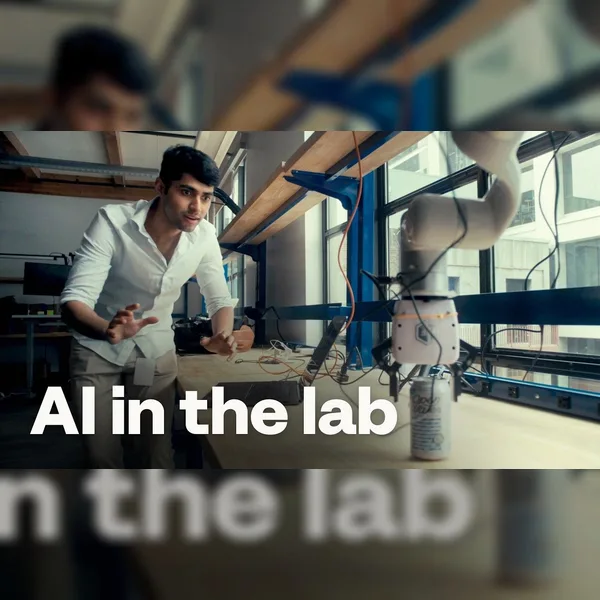
The Model Hardware Standard (MHS) is a new standard for AI agents to safely operate physical equipment in scientific research and advanced manufacturing. MHS began as a collaboration between Anthropic’s Beneficial Deployments team and HHMI Janelia Research Campus. This video tells the story of how MHS was developed and shows how it can be used to accelerate scientific research. MHS is now in research preview with select partners. Read more about how we're learning what AI can do in the physical world: https://www.anthropic.com/news/model-hardware-standard-research-preview
暂未译制
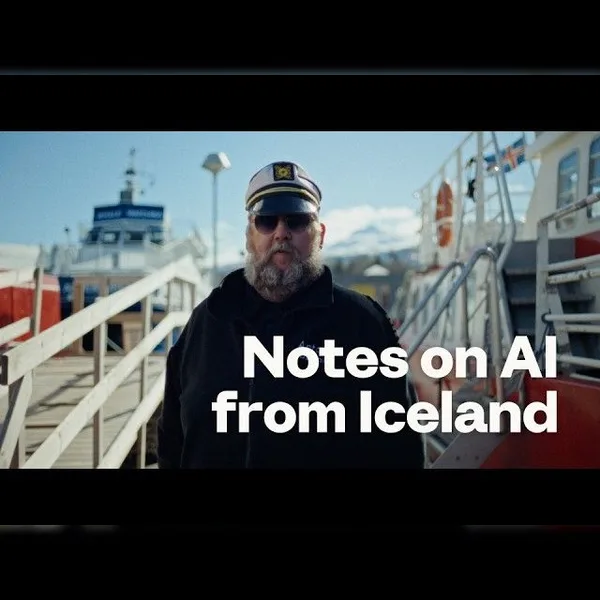
In late 2025, Iceland’s government launched one of the world’s first national AI education pilots, giving teachers who volunteered access to AI tools. We visited Iceland to find out how people are thinking about AI. More information about the pilot: https://www.anthropic.com/news/anthropic-and-iceland-announce-one-of-the-world-s-first-national-ai-education-pilots
暂未译制
在你大脑此刻发生的一切中,只有极小一部分是有意识可及的——那些你能描述、能记住并能推理的想法。我们在AI模型克劳德内部发现了一个惊人的相似分界。 我们的实验受到神经科学中一个领先理论的启发:全局工作空间理论。该理论认为,当一个想法进入一个在大脑中广播的共享“工作空间”时,它就变得有意识可及。我们在克劳德的神经活动中发现了一组扮演类似角色的表征。 在此处阅读更多关于这项研究的信息:https://www.anthropic.com/research/global-workspace 0:00 心灵如海洋 0:47 认识J空间 1:52 无声的数学 2:22 别想那座桥 3:12 克劳德的自动处理 3:42 捕捉隐藏的想法 4:34 意识的问题
暂未译制
克劳德寓言5是我们迄今为止能力最强的模型,现已全面可用。它是一个神话级模型,其安全措施使我们能够在不大幅牺牲安全性的前提下广泛分享它。 它可以连续数天处理复杂任务和难题,在编程、研究、分析、金融、法律等领域承担雄心勃勃的工作。 了解更多:https://www.anthropic.com/news/claude-fable-5-mythos-5
暂未译制
像克劳德这样的AI模型用语言交谈,但用数字思考。这些数字被称为激活值,编码了克劳德的思想,但并非以我们能读懂的语言。 我们推出了自然语言自编码器(NLA),它能将AI模型的激活值翻译成可读文本。NLA已经帮助我们改进了模型安全测试的方式,并更好地理解它们为何会做出某些行为。 在我们的博客上阅读更多关于这项研究的信息:https://www.anthropic.com/research/natural-language-autoencoders
暂未译制
Project Glasswing是一项新倡议,汇集了亚马逊云服务、Anthropic、苹果、博通、思科、CrowdStrike、谷歌、摩根大通、Linux基金会、微软、英伟达和Palo Alto Networks,旨在保护全球最关键的软件。 我们成立Project Glasswing,是因为我们在Anthropic训练的一个新前沿模型中观察到的能力,我们认为这可能会重塑网络安全。克劳德神话预览版是一个通用、未发布的前沿模型,它揭示了一个严峻的事实:AI模型的编程能力已达到这样的水平,它们可以在发现和利用软件漏洞方面超越除最熟练人类之外的所有人。 了解更多:https://anthropic.com/glasswing
暂未译制
我们最聪明的模型获得了升级。 克劳德作品4.6计划更周密,任务专注时间更长,工作更自主,让你用更少的来回交互完成更多工作。 了解更多:https://anthropic.com/news/claude-opus-4-6
暂未译制
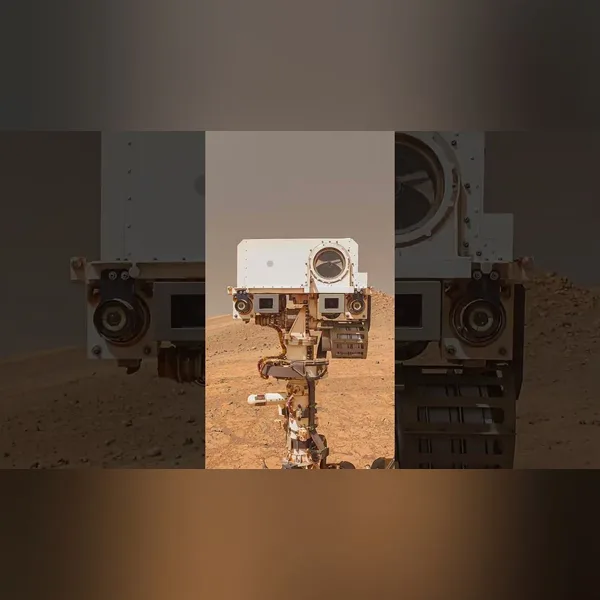
12月8日,毅力号火星车安全地驶过火星表面。 这是首次由人工智能规划的另一颗行星上的行驶。而规划者正是克劳德。 美国国家航空航天局喷气推进实验室的工程师们使用克劳德为毅力号规划了在火星表面约四百米路径的路线。 阅读完整故事:https://www.anthropic.com/mars
暂未译制
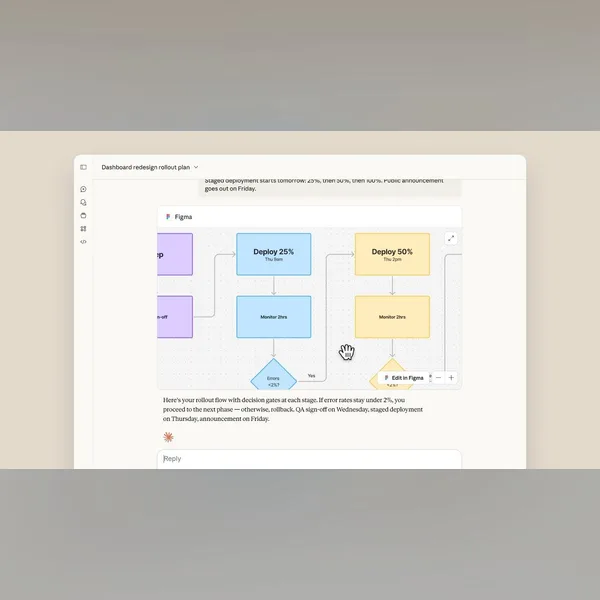
你连接的工具现在可以在克劳德内部进行交互。在Asana中管理项目,在Slack中起草消息,在Amplitude中构建图表,在Figma中创建图表——无需切换标签页。
暂未译制
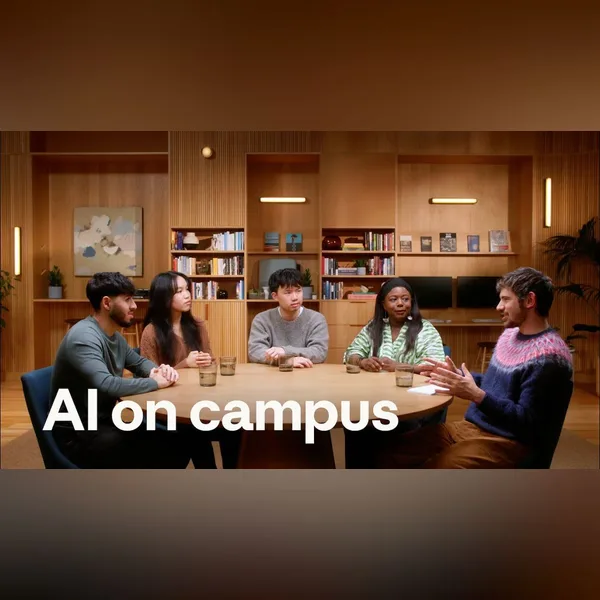
人工智能在大学校园里无处不在。我们与学生坐下来交谈,了解哪些进展顺利,哪些不尽如人意,以及学生、教授和大学如何实时应对。 0:00 - 引言 0:22 - 认识小组成员 1:06 - 校园氛围 6:28 - 学生们在构建什么? 11:27 - 人工智能作为工具还是拐杖 16:44 - 教授们跟得上吗? 20:15 - 不足之处 25:55 - 人工智能与就业市场 34:23 - 快速问答
暂未译制
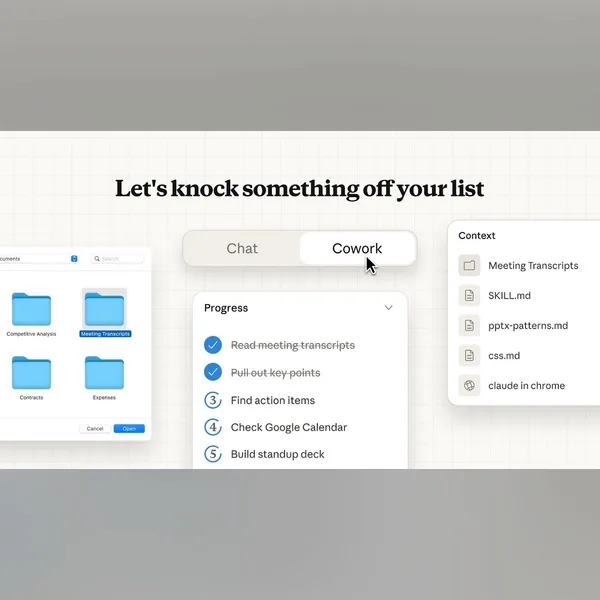
Claude Cowork 让您可以将最耗时的任务交给 Claude,然后回来就能看到完成的成果。描述您的需求,将 Claude 指向您的资料来源,然后就可以放手不管。 Cowork 从您的本地文件、云工具和网络获取信息,然后将所有内容整合成精美的交付成果:电子表格、演示文稿、文档、PDF 等。 同时运行多个任务。让 Cowork 处理琐碎工作,而您专注于重要事项。 Cowork: 在您工作的地方与您会面——本地文件和应用程序、云工具或浏览器 从不同来源获取信息、进行分析,并交付最终成果 并行运行任务,而不是一次一个 现已在桌面端向所有付费订阅用户提供。 立即试用 Cowork → https://claude.com/product/cowork
暂未译制

Anthropic研究员Amanda Askell讨论了人工智能模型面临的自我认知问题。
暂未译制
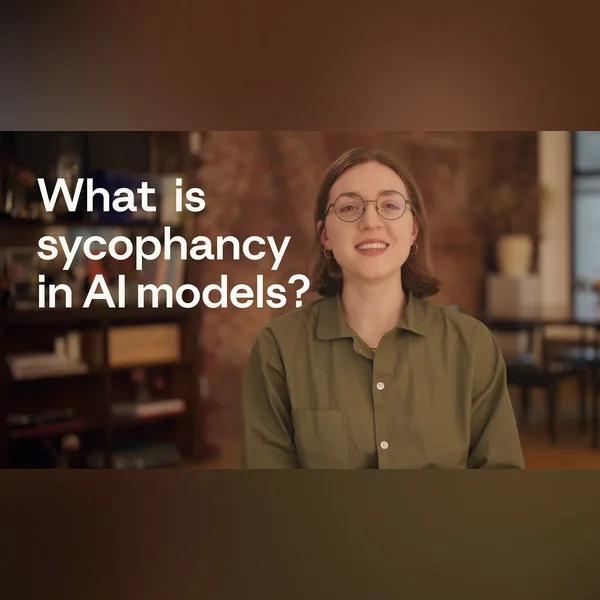
了解人工智能研究人员在谈论谄媚行为时指的是什么,它何时更可能出现在对话中,以及你可以使用哪些策略来引导人工智能走向真相。
暂未译制
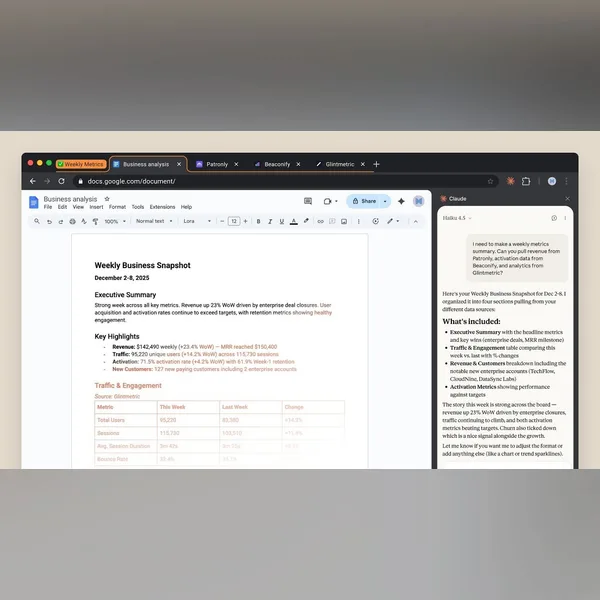
看看适用于Chrome的克劳德如何在你的浏览器中处理三个完整的工作流程。 将仪表板中的数据拉入一个分析文档 自动处理幻灯片评论 使用Claude Code构建,在Chrome中测试 适用于Chrome的克劳德是一个浏览器扩展,让克劳德能够查看、点击、输入和导航网页。 试试看:claude.com/chrome
暂未译制
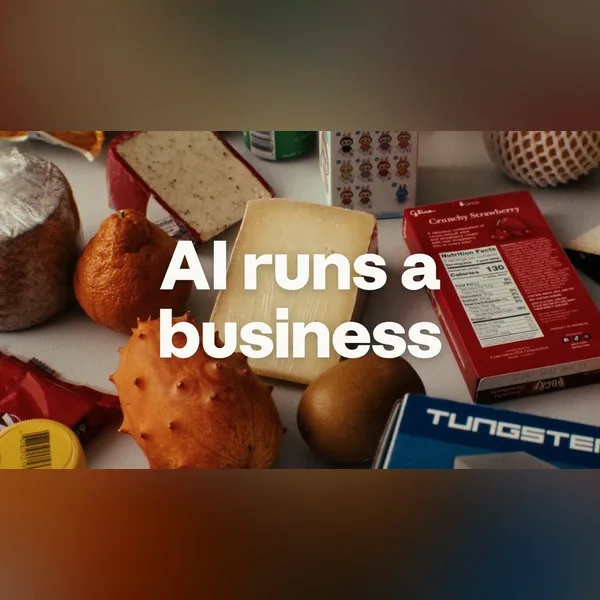
在2025年的大部分时间里,我们运行了Project Vend:一个让克劳德在Anthropic办公室管理一家小企业的实验。我们从它离成功有多近——以及它失败的奇怪方式——中学到了很多,关于一个合理、奇怪、不太遥远的未来,人工智能模型可能自主运行现实经济中的事物。 店主(我们给他取名为Claudius)必须采购产品、设定价格、管理库存,并处理客户。事情变得非常非常奇怪。 了解更多关于这个实验的信息:https://www.anthropic.com/research/project-vend-2 0:00 Project Vend的背景 0:35 交易如何运作 1:27 Claudius的天真 2:29 身份危机 3:57 CEO代理 5:04 结论
暂未译制
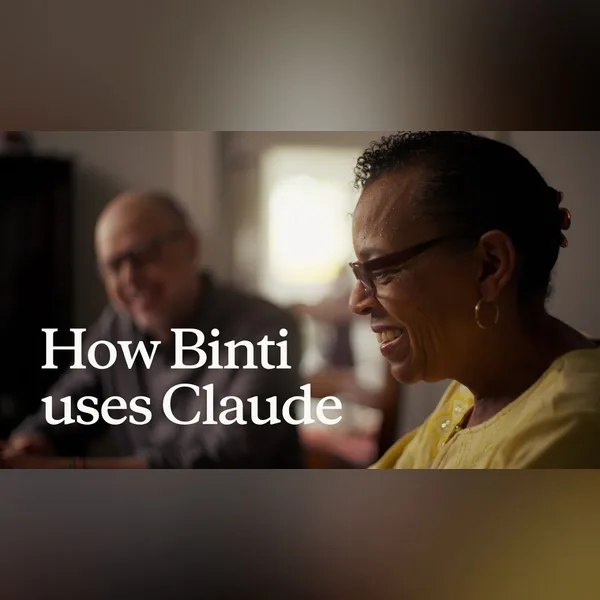
Binti正在通过帮助社工更快地认证寄养和收养家庭来改变儿童福利。由于美国有40万名儿童处于寄养状态,Binti集成了克劳德,将文书工作从数周缩短到数小时——将审批时间缩短了18%。 了解更多:https://claude.com/customers/binti
暂未译制
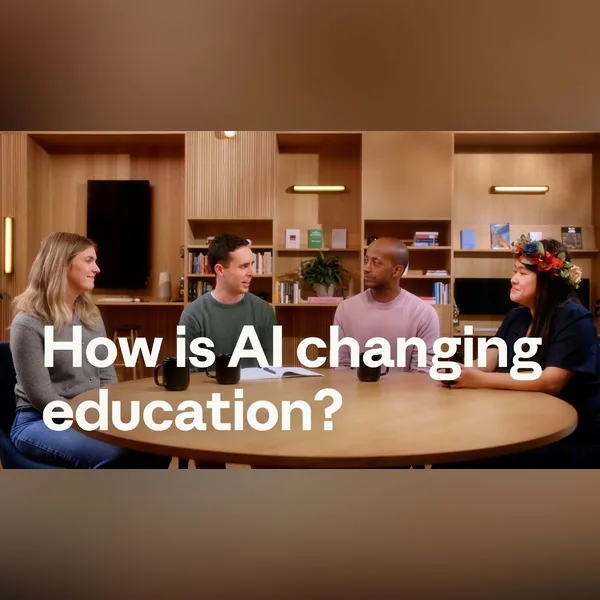
人工智能如何影响教育? 在Anthropic,我们经常谈论“把握光明与阴影”:认真对待我们正在构建的AI系统的益处和风险。在教育领域,这种权衡尤为突出。AI提供了扩展个性化学习、辅导和评估的潜力,但也引发了一些关于学生应该如何学习(甚至学什么)的更根本性问题。 在本视频中,四位与教育有深厚个人联系的Anthropic员工讨论了他们在工作中和生活中如何应对这一话题。 00:24 – 引言 1:15 – 为什么Anthropic关注这个话题? 5:47 – 人工智能今天如何影响教育? 9:04 – 我们看到AI在教学和学习中的潜力是什么? 13:42 – 在AI时代,儿童和教师应如何对待学习? 21:16 — Anthropic在该领域做了哪些工作? 31:19 – 我们仍然不确定的事情有哪些? 38:20 – 成功融入AI会是什么样子?
暂未译制

真正理解AI模型如何思考需要什么?Anthropic研究员Amanda Askell分享了成为“LLM whisperer”意味着什么。
暂未译制
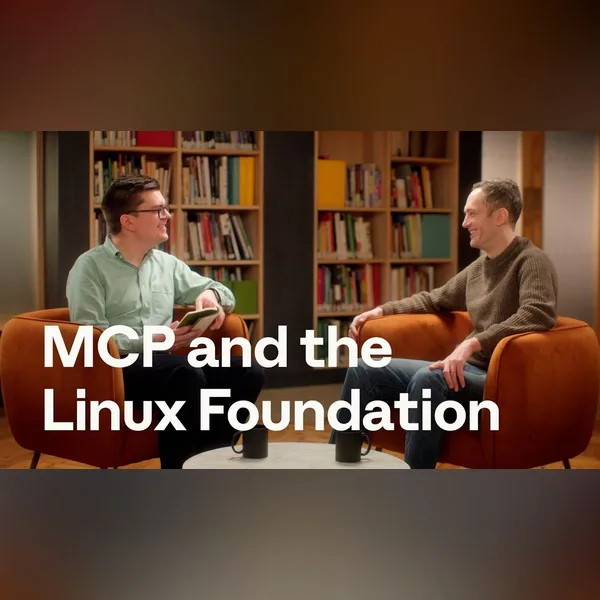
Anthropic的Stuart Ritchie与联合创建者David Soria Parra讨论了模型上下文协议(MCP)的开发——这是一个将AI连接到外部工具和服务的开放标准——以及Anthropic为何将其捐赠给Linux基金会。 00:00 - 什么是MCP? 01:21 - MCP解决的问题 02:46 - USB-C类比 03:45 - MCP的起源 05:36 - MCP的不同之处 08:05 - 社区采用 09:54 - 无强制标准 11:05 - 从Anthropic黑客松到Hacker News 13:37 - 开源的决定 15:18 - 将MCP捐赠给Linux基金会 17:27 - Agentic AI Foundation 20:34 - 对MCP的批评 28:21 - MCP的未来 30:58 - 人们用MCP构建了什么? 32:53 - 给非开发者的建议 34:58 - David最自豪的是什么
暂未译制
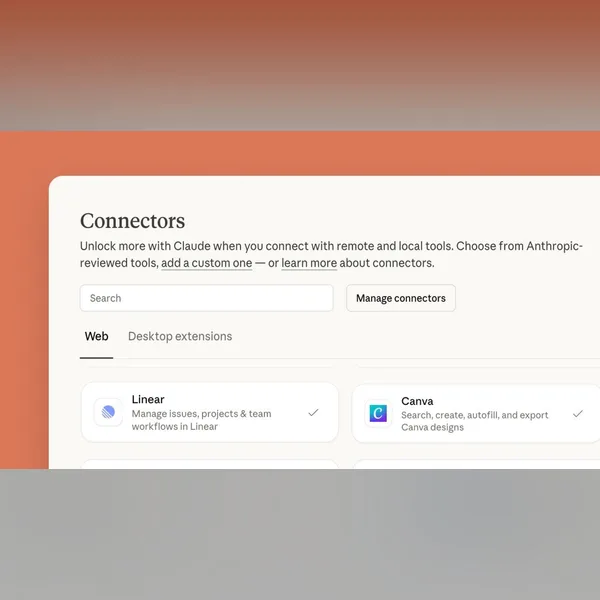
了解如何通过连接您已经使用的工具来增强Claude。本视频向您展示如何设置连接器,使Claude能够访问您的文件、应用程序和工作流程。
暂未译制

Amanda Askell解释了哲学家在Anthropic做什么。
暂未译制

当我们不确定AI是否值得道德考虑时会发生什么?Anthropic研究员Amanda Askell解释了为什么善待AI模型很重要。
暂未译制
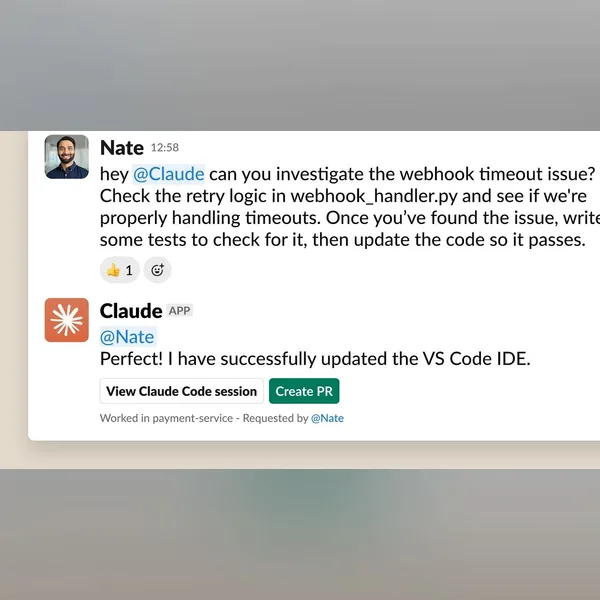
直接从Slack向Claude Code委派任务,轻松将Slack对话中的上下文转移到编码会话中。Slack中的Claude Code现已面向在Slack工作区中安装了Claude应用且有权访问网页版Claude Code的团队提供。 了解更多:https://www.anthropic.com/news/claude-code-and-slack
暂未译制
Legal teams lose days per week to routine tasks like contract redlining and marketing reviews. Mark Pike, Associate General Counsel, shares how Anthropic's lawyers uses Claude to build workflows that cut review times from days to hours—no coding required. Check out the full case study to learn more: www.claude.com/blog/how-anthropic-uses-claude-legal Stay tuned for more stories in the "How Anthropic uses Claude" series.
暂未译制
A trailer of AI Fluency for nonprofits developed by Anthropic and Giving Tuesday. View the full free course, including all videos, exercises, and resources, at https://www.anthropic.com/ai-fluency-for-nonprofits This video is copyright 2025 Anthropic PBC and Giving Tuesday. Based on the AI Fluency Framework developed by Prof. Rick Dakan (Ringling College of Art and Design) and Prof. Joseph Feller (University College Cork). Released under the CC BY-NC-SA 4.0 license.
暂未译制
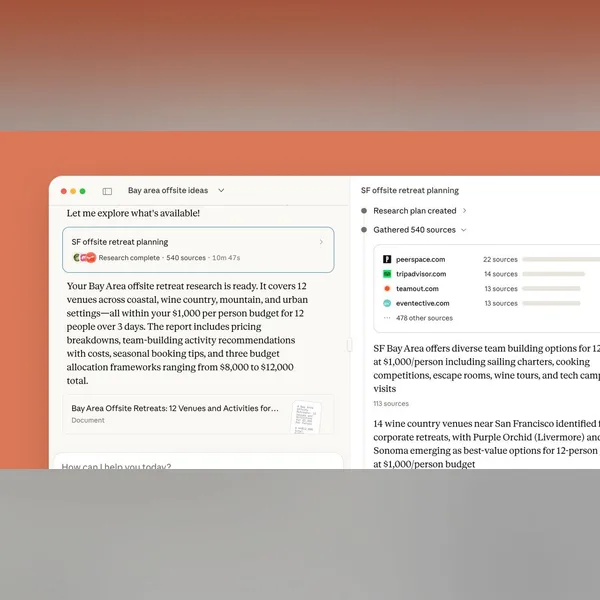
See how Claude's Research feature transforms how you find and analyze information. This tutorial demonstrates how to use Research for comprehensive, multi-source analysis that would typically take hours of manual work. Learn how to craft effective research prompts, understand how Research works alongside extended thinking, and discover use cases like market analysis, competitive research, and event planning.
暂未译制