This episode is packed with your best economic ideas from around the world and a penguin interview. It all comes together in this final session of Summer School 2026.
Pack your parka, we’re headed to Antarctica. The continent nobody owns, but everyone benefits from and plenty of economic activity if you know where to look.
First, we’ll travel back in time to the late 1970s when NPR was a scrappy young network, with a synth soundtrack (https://exchange.prx.org/pieces/208464?m=false) , and tons of heart. Science reporter Ira Flatow took a trip to the South Pole that put NPR on the news industry map. We’ll hear an excerpt where he brings us along through what life is like on the ice, including a memorable interview with the wildlife.
Then we look inside McMurdo Station, the largest human settlement and research base on Antarctica to hear from a listener who managed the store at the base back in the 1980s. Normal retail rules do not apply. We’ll also speak with an economist who has estimated the continent’s monetary value, while asking questions like “why put a price tag on this uninhabitable land”? She makes the case we should consider the environmental benefit as a service.
But, we can’t let the episode and the series wrap without marking our achievements! You did it! As part of our graduation celebration, we hear from your fellow members of the summer school class of 2026. Listeners like you who have written in from around the globe with provocative economic ideas that could make life better for all of us if we just have the will to do it. Man did you all deliver on sending in ideas. We’ve curated our favorites. Way better than speeches.
And don’t forget your totally real, but not legal, diploma by taking our short online test. (https://www.npr.org/2026/08/26/g-s1-138847/planet-money-summer-school-quiz-2026) Don’t worry if you need a refresher, catch up on past seasons of Planet Money Summer School here. (https://lnk.to/pV5FjKWE)
Featured Episodes:
• The unexpected sounds of Antarctica (1979) (https://www.npr.org/2026/08/25/g-s1-140101/the-unexpected-sounds-of-antarctica)
• A visit to McMurdo Station in Antarctica (1979) (https://www.npr.org/2026/08/25/g-s1-140102/a-visit-to-mcmurdo-station-in-antarctica)
Featured Terms:
• Ecosystem as a service
• Consórcios (a type of ROSCA, a Rotating Savings and Credit Association)
• Social housing
• Natural capital
Support:
• NPR+ (sponsor-free listening & bonus episodes) (https://n.pr/3HlREPz)
• And please click “follow” in your podcast app so you don’t miss an episode. NPR+ (https://n.pr/3HlREPz) Read:
• Our book: Planet Money: A Guide to the Economic Forces That Shape Your Life (https://lnk.to/i3AukBdD) (Audiobook here (https://open.spotify.com/show/509P7k1QPcwgzOSCqVCDCZ) )
• Our weekly longform Planet Money newsletter (https://n.pr/3zrFvUB)
• Our weekly Indicator link round-up newsletter (https://www.npr.org/newsletter/indicator)
Follow:
• Instagram (https://n.pr/3FqLuws)
• TikTok (https://n.pr/3sGZdrq)
• YouTube (https://lnk.to/iCVDaW3C)
• Facebook (https://n.pr/3h92GwS)
This episode of Planet Money Summer School is hosted by Robert Smith. It was produced by Schuyler Swenson and Sophia Paliza-Carre and edited by Planet Money Executive Producer Alex Goldmark. It was fact-checked by Charlotte Isidore and engineered by Annlie Huang.
Music: NPR Source Audio - “Caroldine”, “Pomp And Circumstance March No. 1 Allegro con molto”, “Bismuth Bossa”, “Rumba Cotidiana”, Moons of Saturn”, “Column and Law”, “Our Son the Potter”, “Hutter”, “And So It Goes | 10penny Organ”.
Support public media with NPR+ and enjoy perks for over 25 podcasts like this one. Planet Money's perks include bonus episodes and sponsor-free listening. Learn more at plus.npr.org (http://plus.npr.org/) .
See pcm.adswizz.com (https://pcm.adswizz.com) for information about our collection and use of personal data for sponsorship and to manage your podcast sponsorship preferences.
NPR Privacy Policy (https://www.npr.org/about-npr/179878450/privacy-policy)
44:20
This episode is packed with your best economic ideas from around the world and a penguin interview. It all comes together in this final session of Summer School 2026.
Pack your parka, we’re headed to Antarctica. The continent nobody owns, but everyone benefits from and plenty of economic activity if you know where to look.
First, we’ll travel back in time to the late 1970s when NPR was a scrappy young network, with a synth soundtrack (https://exchange.prx.org/pieces/208464?m=false) , and tons of heart. Science reporter Ira Flatow took a trip to the South Pole that put NPR on the news industry map. We’ll hear an excerpt where he brings us along through what life is like on the ice, including a memorable interview with the wildlife.
Then we look inside McMurdo Station, the largest human settlement and research base on Antarctica to hear from a listener who managed the store at the base back in the 1980s. Normal retail rules do not apply. We’ll also speak with an economist who has estimated the continent’s monetary value, while asking questions like “why put a price tag on this uninhabitable land”? She makes the case we should consider the environmental benefit as a service.
But, we can’t let the episode and the series wrap without marking our achievements! You did it! As part of our graduation celebration, we hear from your fellow members of the summer school class of 2026. Listeners like you who have written in from around the globe with provocative economic ideas that could make life better for all of us if we just have the will to do it. Man did you all deliver on sending in ideas. We’ve curated our favorites. Way better than speeches.
And don’t forget your totally real, but not legal, diploma by taking our short online test. (https://www.npr.org/2026/08/26/g-s1-138847/planet-money-summer-school-quiz-2026) Don’t worry if you need a refresher, catch up on past seasons of Planet Money Summer School here. (https://lnk.to/pV5FjKWE)
Featured Episodes:
• The unexpected sounds of Antarctica (1979) (https://www.npr.org/2026/08/25/g-s1-140101/the-unexpected-sounds-of-antarctica)
• A visit to McMurdo Station in Antarctica (1979) (https://www.npr.org/2026/08/25/g-s1-140102/a-visit-to-mcmurdo-station-in-antarctica)
Featured Terms:
• Ecosystem as a service
• Consórcios (a type of ROSCA, a Rotating Savings and Credit Association)
• Social housing
• Natural capital
Support:
• NPR+ (sponsor-free listening & bonus episodes) (https://n.pr/3HlREPz)
• And please click “follow” in your podcast app so you don’t miss an episode. NPR+ (https://n.pr/3HlREPz) Read:
• Our book: Planet Money: A Guide to the Economic Forces That Shape Your Life (https://lnk.to/i3AukBdD) (Audiobook here (https://open.spotify.com/show/509P7k1QPcwgzOSCqVCDCZ) )
• Our weekly longform Planet Money newsletter (https://n.pr/3zrFvUB)
• Our weekly Indicator link round-up newsletter (https://www.npr.org/newsletter/indicator)
Follow:
• Instagram (https://n.pr/3FqLuws)
• TikTok (https://n.pr/3sGZdrq)
• YouTube (https://lnk.to/iCVDaW3C)
• Facebook (https://n.pr/3h92GwS)
This episode of Planet Money Summer School is hosted by Robert Smith. It was produced by Schuyler Swenson and Sophia Paliza-Carre and edited by Planet Money Executive Producer Alex Goldmark. It was fact-checked by Charlotte Isidore and engineered by Annlie Huang.
Music: NPR Source Audio - “Caroldine”, “Pomp And Circumstance March No. 1 Allegro con molto”, “Bismuth Bossa”, “Rumba Cotidiana”, Moons of Saturn”, “Column and Law”, “Our Son the Potter”, “Hutter”, “And So It Goes | 10penny Organ”.
Support public media with NPR+ and enjoy perks for over 25 podcasts like this one. Planet Money's perks include bonus episodes and sponsor-free listening. Learn more at plus.npr.org (http://plus.npr.org/) .
See pcm.adswizz.com (https://pcm.adswizz.com) for information about our collection and use of personal data for sponsorship and to manage your podcast sponsorship preferences.
NPR Privacy Policy (https://www.npr.org/about-npr/179878450/privacy-policy)
Medicare for All could save the U.S. trillions… or maybe way less than that? In our second episode on Medicare for All, we look at the convoluted figures behind the hot political topic. We hear directly from billionaire and healthcare voice Mark Cuban on what works about Medicare for All, and why its actual cost is so complicated.
Fact checking by V (https://www.npr.org/people/1268825622/sierra-juarez) ito Emanuel.
Your Next Listen
— Why do hospitals keep running out of generic drugs?
(https://lnk.to/wEuJDSWE)
Connect with The Indicator
— Sign up for The Indicator’s weekly newsletter (https://npr.org/indicatornewsletter) !
— Buy the Planet Money book (https://lnk.to/i3AukBdDWE)
— Find our socials, YouTube and more (https://linktr.ee/indicator_npr) !
— For sponsor-free episodes, subscribe to NPR+ (https://plus.npr.org/)
Support public media with NPR+ and enjoy perks for over 25 podcasts like this one. This show’s perks include sponsor-free listening. Learn more at plus.npr.org (http://plus.npr.org) .
See pcm.adswizz.com (https://pcm.adswizz.com) for information about our collection and use of personal data for sponsorship and to manage your podcast sponsorship preferences.
NPR Privacy Policy (https://www.npr.org/about-npr/179878450/privacy-policy)
10:51
Medicare for All could save the U.S. trillions… or maybe way less than that? In our second episode on Medicare for All, we look at the convoluted figures behind the hot political topic. We hear directly from billionaire and healthcare voice Mark Cuban on what works about Medicare for All, and why its actual cost is so complicated.
Fact checking by V (https://www.npr.org/people/1268825622/sierra-juarez) ito Emanuel.
Your Next Listen
— Why do hospitals keep running out of generic drugs?
(https://lnk.to/wEuJDSWE)
Connect with The Indicator
— Sign up for The Indicator’s weekly newsletter (https://npr.org/indicatornewsletter) !
— Buy the Planet Money book (https://lnk.to/i3AukBdDWE)
— Find our socials, YouTube and more (https://linktr.ee/indicator_npr) !
— For sponsor-free episodes, subscribe to NPR+ (https://plus.npr.org/)
Support public media with NPR+ and enjoy perks for over 25 podcasts like this one. This show’s perks include sponsor-free listening. Learn more at plus.npr.org (http://plus.npr.org) .
See pcm.adswizz.com (https://pcm.adswizz.com) for information about our collection and use of personal data for sponsorship and to manage your podcast sponsorship preferences.
NPR Privacy Policy (https://www.npr.org/about-npr/179878450/privacy-policy)
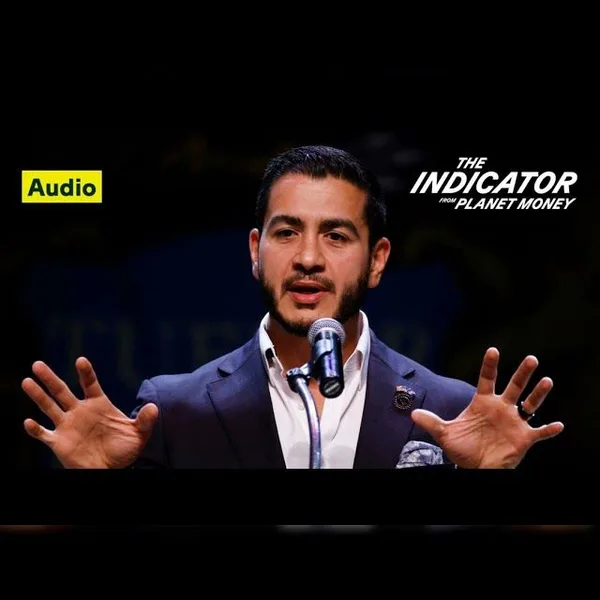
As midterms near, Medicare for All is back in the spotlight and Michigan U.S. Senate candidate Abdul El-Sayed has become the newest face for it. Today, we dig into what Medicare for All would actually do and hear directly from El-Sayed on why he thinks it’s critical to figure out.
Tomorrow, billionaire Mark Cuban joins the show as we continue our discussion on Medicare for All.
Fact checking by Vito Emanuel (https://www.npr.org/people/nx-s1-63544/vito-emanuel) .
Your Next Listen
— I’m just here for the health benefits (https://lnk.to/aKAHFaWE)
Connect with The Indicator
— Sign up for The Indicator’s weekly newsletter (https://npr.org/indicatornewsletter) !
— Buy the Planet Money book (https://lnk.to/i3AukBdDWE)
— Find our socials, YouTube and more (https://linktr.ee/indicator_npr) !
— For sponsor-free episodes, subscribe to NPR+ (https://plus.npr.org/)
Support public media with NPR+ and enjoy perks for over 25 podcasts like this one. This show’s perks include sponsor-free listening. Learn more at plus.npr.org (http://plus.npr.org) .
See pcm.adswizz.com (https://pcm.adswizz.com) for information about our collection and use of personal data for sponsorship and to manage your podcast sponsorship preferences.
NPR Privacy Policy (https://www.npr.org/about-npr/179878450/privacy-policy)
10:33
As midterms near, Medicare for All is back in the spotlight and Michigan U.S. Senate candidate Abdul El-Sayed has become the newest face for it. Today, we dig into what Medicare for All would actually do and hear directly from El-Sayed on why he thinks it’s critical to figure out.
Tomorrow, billionaire Mark Cuban joins the show as we continue our discussion on Medicare for All.
Fact checking by Vito Emanuel (https://www.npr.org/people/nx-s1-63544/vito-emanuel) .
Your Next Listen
— I’m just here for the health benefits (https://lnk.to/aKAHFaWE)
Connect with The Indicator
— Sign up for The Indicator’s weekly newsletter (https://npr.org/indicatornewsletter) !
— Buy the Planet Money book (https://lnk.to/i3AukBdDWE)
— Find our socials, YouTube and more (https://linktr.ee/indicator_npr) !
— For sponsor-free episodes, subscribe to NPR+ (https://plus.npr.org/)
Support public media with NPR+ and enjoy perks for over 25 podcasts like this one. This show’s perks include sponsor-free listening. Learn more at plus.npr.org (http://plus.npr.org) .
See pcm.adswizz.com (https://pcm.adswizz.com) for information about our collection and use of personal data for sponsorship and to manage your podcast sponsorship preferences.
NPR Privacy Policy (https://www.npr.org/about-npr/179878450/privacy-policy)
The Trump administration recently admitted to pulling grants over politics. This practice could become more common. How do cities use grant money, and how will they adapt?
Fact checking by Sierra Juarez (https://www.npr.org/people/1268825622/sierra-juarez) .
Your Next Listen
— How far can philanthropy go to fill government gaps? (https://lnk.to/lWwTIoWE)
Connect with The Indicator
— Sign up for The Indicator’s weekly newsletter (https://npr.org/indicatornewsletter) !
— Buy the Planet Money book (https://lnk.to/i3AukBdDWE)
— Find our socials, YouTube and more (https://linktr.ee/indicator_npr) !
— For sponsor-free episodes, subscribe to NPR+ (https://plus.npr.org/)
Support public media with NPR+ and enjoy perks for over 25 podcasts like this one. This show’s perks include sponsor-free listening. Learn more at plus.npr.org (http://plus.npr.org/) .
See pcm.adswizz.com (https://pcm.adswizz.com) for information about our collection and use of personal data for sponsorship and to manage your podcast sponsorship preferences.
NPR Privacy Policy (https://www.npr.org/about-npr/179878450/privacy-policy)
10:11
The Trump administration recently admitted to pulling grants over politics. This practice could become more common. How do cities use grant money, and how will they adapt?
Fact checking by Sierra Juarez (https://www.npr.org/people/1268825622/sierra-juarez) .
Your Next Listen
— How far can philanthropy go to fill government gaps? (https://lnk.to/lWwTIoWE)
Connect with The Indicator
— Sign up for The Indicator’s weekly newsletter (https://npr.org/indicatornewsletter) !
— Buy the Planet Money book (https://lnk.to/i3AukBdDWE)
— Find our socials, YouTube and more (https://linktr.ee/indicator_npr) !
— For sponsor-free episodes, subscribe to NPR+ (https://plus.npr.org/)
Support public media with NPR+ and enjoy perks for over 25 podcasts like this one. This show’s perks include sponsor-free listening. Learn more at plus.npr.org (http://plus.npr.org/) .
See pcm.adswizz.com (https://pcm.adswizz.com) for information about our collection and use of personal data for sponsorship and to manage your podcast sponsorship preferences.
NPR Privacy Policy (https://www.npr.org/about-npr/179878450/privacy-policy)
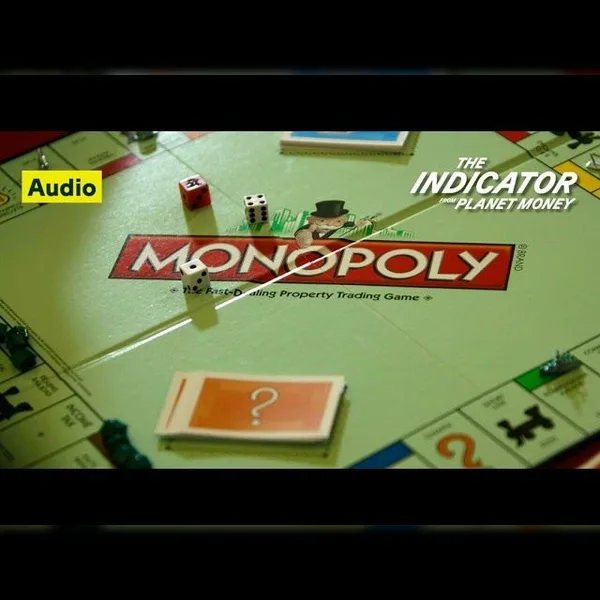
There’s a room where the fates of retail products are decided. Will they make it onto the shelves of the big box stores? Usually the rest of us can’t get inside the room where decisions are made – until now! Today on the show, we pitch the Planet Money game, Sell Me a Sasquatch, to big box retailers. We go behind the scenes to learn about how products end up on big box store shelves, what’s going on inside the minds of the deciders, and find out our board game’s fate.
Learn more about the story of Pantone: The company that owns colors (https://www.npr.org/2024/07/19/1197961103/pantone-colors-lawrence-herbert-stuart-semple-standards)
Support:
Planet Money+ (https://n.pr/3HlREPz)
Read:
Our book: Planet Money: A Guide to the Economic Forces That Shape Your Life (https://lnk.to/i3AukBdD)
Our weekly longform Planet Money newsletter (https://n.pr/3zrFvUB)
Our weekly Indicator round-up newsletter (https://www.npr.org/newsletter/indicator)
Follow:
Instagram (https://n.pr/3FqLuws)
TikTok (https://n.pr/3sGZdrq)
YouTube (https://lnk.to/iCVDaW3C)
Facebook (https://n.pr/3h92GwS)
This episode of Planet Money was produced by Emma Peaslee. It was edited by Marianne McCune. It was fact checked by Sierra Juarez. It was engineered by Robert Rodriguez and Jimmy Keeley. Planet Money’s executive producer is Alex Goldmark.
Music: NPR Source Audio - "Silly Sevens," "Adventure Time," and "Virtual Machine"
Support public media with NPR+ and enjoy perks for over 25 podcasts like this one. This show’s perks include bonus episodes and sponsor-free listening. Learn more at plus.npr.org (http://plus.npr.org/) .
See pcm.adswizz.com (https://pcm.adswizz.com) for information about our collection and use of personal data for sponsorship and to manage your podcast sponsorship preferences.
NPR Privacy Policy (https://www.npr.org/about-npr/179878450/privacy-policy)
41:31
There’s a room where the fates of retail products are decided. Will they make it onto the shelves of the big box stores? Usually the rest of us can’t get inside the room where decisions are made – until now! Today on the show, we pitch the Planet Money game, Sell Me a Sasquatch, to big box retailers. We go behind the scenes to learn about how products end up on big box store shelves, what’s going on inside the minds of the deciders, and find out our board game’s fate.
Learn more about the story of Pantone: The company that owns colors (https://www.npr.org/2024/07/19/1197961103/pantone-colors-lawrence-herbert-stuart-semple-standards)
Support:
Planet Money+ (https://n.pr/3HlREPz)
Read:
Our book: Planet Money: A Guide to the Economic Forces That Shape Your Life (https://lnk.to/i3AukBdD)
Our weekly longform Planet Money newsletter (https://n.pr/3zrFvUB)
Our weekly Indicator round-up newsletter (https://www.npr.org/newsletter/indicator)
Follow:
Instagram (https://n.pr/3FqLuws)
TikTok (https://n.pr/3sGZdrq)
YouTube (https://lnk.to/iCVDaW3C)
Facebook (https://n.pr/3h92GwS)
This episode of Planet Money was produced by Emma Peaslee. It was edited by Marianne McCune. It was fact checked by Sierra Juarez. It was engineered by Robert Rodriguez and Jimmy Keeley. Planet Money’s executive producer is Alex Goldmark.
Music: NPR Source Audio - "Silly Sevens," "Adventure Time," and "Virtual Machine"
Support public media with NPR+ and enjoy perks for over 25 podcasts like this one. This show’s perks include bonus episodes and sponsor-free listening. Learn more at plus.npr.org (http://plus.npr.org/) .
See pcm.adswizz.com (https://pcm.adswizz.com) for information about our collection and use of personal data for sponsorship and to manage your podcast sponsorship preferences.
NPR Privacy Policy (https://www.npr.org/about-npr/179878450/privacy-policy)
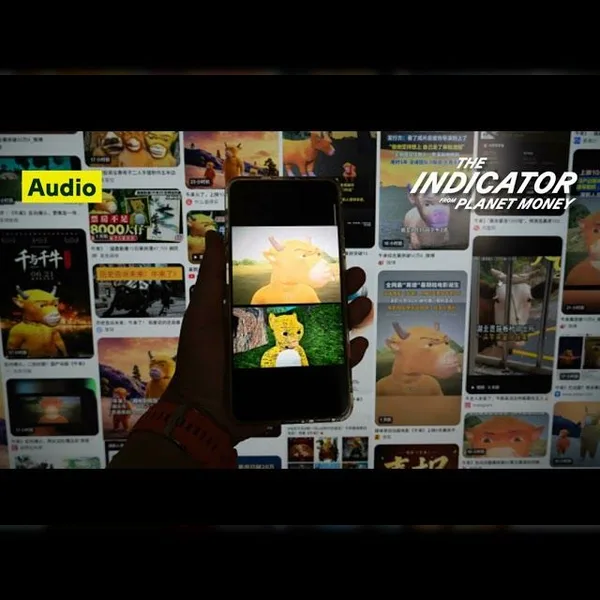
🚨 THIS MOVIE'S STORY IS A WILD THING 🚨
“Niu Lai" has taken China’s box office by storm !🎞️
And it wasn't created by some wily film industry vet ... a child and his mother made it AT HOME … on a shoestring budget. 😳
1:30
🚨 THIS MOVIE'S STORY IS A WILD THING 🚨
“Niu Lai" has taken China’s box office by storm !🎞️
And it wasn't created by some wily film industry vet ... a child and his mother made it AT HOME … on a shoestring budget. 😳
This week’s indicators: EV sales sputter in North America but flutter internationally; U.S. Treasury Yields … RISE!; a low-budget movie so terrible, it became a box office hit in China.
Fact checking by Julia Ritchey
Your Next Listen
— The story of China and Hollywood's big-screen romance
(https://lnk.to/YvadlfWE)
Connect with The Indicator
— Sign up for The Indicator’s weekly newsletter (https://npr.org/indicatornewsletter) !
— Buy the Planet Money book (https://lnk.to/i3AukBdDWE)
— Find our socials, YouTube and more (https://linktr.ee/indicator_npr) !
— For sponsor-free episodes, subscribe to NPR+ (https://plus.npr.org/)
Support public media with NPR+ and enjoy perks for over 25 podcasts like this one. This show’s perks include sponsor-free listening. Learn more at plus.npr.org (http://plus.npr.org/) .
See pcm.adswizz.com (https://pcm.adswizz.com) for information about our collection and use of personal data for sponsorship and to manage your podcast sponsorship preferences.
NPR Privacy Policy (https://www.npr.org/about-npr/179878450/privacy-policy)
11:04
This week’s indicators: EV sales sputter in North America but flutter internationally; U.S. Treasury Yields … RISE!; a low-budget movie so terrible, it became a box office hit in China.
Fact checking by Julia Ritchey
Your Next Listen
— The story of China and Hollywood's big-screen romance
(https://lnk.to/YvadlfWE)
Connect with The Indicator
— Sign up for The Indicator’s weekly newsletter (https://npr.org/indicatornewsletter) !
— Buy the Planet Money book (https://lnk.to/i3AukBdDWE)
— Find our socials, YouTube and more (https://linktr.ee/indicator_npr) !
— For sponsor-free episodes, subscribe to NPR+ (https://plus.npr.org/)
Support public media with NPR+ and enjoy perks for over 25 podcasts like this one. This show’s perks include sponsor-free listening. Learn more at plus.npr.org (http://plus.npr.org/) .
See pcm.adswizz.com (https://pcm.adswizz.com) for information about our collection and use of personal data for sponsorship and to manage your podcast sponsorship preferences.
NPR Privacy Policy (https://www.npr.org/about-npr/179878450/privacy-policy)
Bankruptcy has a negative stigma surrounding it. But what if we told you it’s not as bad as you may think? In fact, economists think we should actually see more of it!
Based on the radio story: More Americans are going bankrupt. What does that mean? (https://www.npr.org/2026/07/29/nx-s1-5896065/personal-bankruptcy-rates-rising)
Fact checking by Sierra Juarez (https://www.npr.org/people/1268825622/sierra-juarez) .
Your Next Listen
— We're in a renter's market (believe it or not)
(http://lnk.to/c760lI)
Connect with The Indicator
— Sign up for The Indicator’s weekly newsletter (https://npr.org/indicatornewsletter) !
— Buy the Planet Money book (https://lnk.to/i3AukBdDWE)
— Find our socials, YouTube and more (https://linktr.ee/indicator_npr) !
— For sponsor-free episodes, subscribe to NPR+ (https://plus.npr.org/)
Support public media with NPR+ and enjoy perks for over 25 podcasts like this one. This show’s perks include sponsor-free listening. Learn more at plus.npr.org (http://plus.npr.org) .
See pcm.adswizz.com (https://pcm.adswizz.com) for information about our collection and use of personal data for sponsorship and to manage your podcast sponsorship preferences.
NPR Privacy Policy (https://www.npr.org/about-npr/179878450/privacy-policy)
10:30
Bankruptcy has a negative stigma surrounding it. But what if we told you it’s not as bad as you may think? In fact, economists think we should actually see more of it!
Based on the radio story: More Americans are going bankrupt. What does that mean? (https://www.npr.org/2026/07/29/nx-s1-5896065/personal-bankruptcy-rates-rising)
Fact checking by Sierra Juarez (https://www.npr.org/people/1268825622/sierra-juarez) .
Your Next Listen
— We're in a renter's market (believe it or not)
(http://lnk.to/c760lI)
Connect with The Indicator
— Sign up for The Indicator’s weekly newsletter (https://npr.org/indicatornewsletter) !
— Buy the Planet Money book (https://lnk.to/i3AukBdDWE)
— Find our socials, YouTube and more (https://linktr.ee/indicator_npr) !
— For sponsor-free episodes, subscribe to NPR+ (https://plus.npr.org/)
Support public media with NPR+ and enjoy perks for over 25 podcasts like this one. This show’s perks include sponsor-free listening. Learn more at plus.npr.org (http://plus.npr.org) .
See pcm.adswizz.com (https://pcm.adswizz.com) for information about our collection and use of personal data for sponsorship and to manage your podcast sponsorship preferences.
NPR Privacy Policy (https://www.npr.org/about-npr/179878450/privacy-policy)
The best manager isn’t necessarily the best employee. Turns out it isn't so easy to predict what DOES make a good manager. Today on the show, we turn to science to help answer that very question.
Fact checking by Sierra Juarez (https://www.npr.org/people/1268825622/sierra-juarez) .
Your Next Listen
— Productivity and workforce whiplash
(https://www.npr.org/2022/10/25/1131441128/productivity-and-workforce-whiplash)
Connect with The Indicator
— Sign up for The Indicator’s weekly newsletter (https://npr.org/indicatornewsletter) !
— Buy the Planet Money book (https://lnk.to/i3AukBdDWE)
— Find our socials, YouTube and more (https://linktr.ee/indicator_npr) !
— For sponsor-free episodes, subscribe to NPR+ (https://plus.npr.org/)
Support public media with NPR+ and enjoy perks for over 25 podcasts like this one. This show’s perks include sponsor-free listening. Learn more at plus.npr.org (http://plus.npr.org) .
See pcm.adswizz.com (https://pcm.adswizz.com) for information about our collection and use of personal data for sponsorship and to manage your podcast sponsorship preferences.
NPR Privacy Policy (https://www.npr.org/about-npr/179878450/privacy-policy)
11:24
The best manager isn’t necessarily the best employee. Turns out it isn't so easy to predict what DOES make a good manager. Today on the show, we turn to science to help answer that very question.
Fact checking by Sierra Juarez (https://www.npr.org/people/1268825622/sierra-juarez) .
Your Next Listen
— Productivity and workforce whiplash
(https://www.npr.org/2022/10/25/1131441128/productivity-and-workforce-whiplash)
Connect with The Indicator
— Sign up for The Indicator’s weekly newsletter (https://npr.org/indicatornewsletter) !
— Buy the Planet Money book (https://lnk.to/i3AukBdDWE)
— Find our socials, YouTube and more (https://linktr.ee/indicator_npr) !
— For sponsor-free episodes, subscribe to NPR+ (https://plus.npr.org/)
Support public media with NPR+ and enjoy perks for over 25 podcasts like this one. This show’s perks include sponsor-free listening. Learn more at plus.npr.org (http://plus.npr.org) .
See pcm.adswizz.com (https://pcm.adswizz.com) for information about our collection and use of personal data for sponsorship and to manage your podcast sponsorship preferences.
NPR Privacy Policy (https://www.npr.org/about-npr/179878450/privacy-policy)
This week’s stop on our world tour - Korea. A country divided into two very different power structures since the end of WWII. Today South Korea is the maker of some of the world’s favorite exports – from Samsung TV’s to BTS. But 75 years ago it was a much different story. How the textile industry and a partnership with Bangladesh lifted the country out of poverty and paved the way for rapid economic growth.
Then later in this episode – how entrepreneurial endeavors look different on the other side of the 38th parallel. We’ll follow a woman who started her own small business selling goods in North Korea. How are the Donju, members of the affluent entrepreneurial class, faring and can capitalism exist in a highly restrictive socialist society?
Featured Episodes:
• Richard Nixon, Kimchi and the first clothing factory in Bangladesh (2013) (https://www.npr.org/sections/money/2013/11/27/247564324/episode-499-richard-nixon-kimchi-and-the-first-clothing-factory-in-bangladesh)
• North Korea's Capitalists (2017) (https://www.npr.org/transcripts/551232343)
Featured Terms:
• Volatility
• Inflation expectations
• Capital controls
• Austerity
Support:
• NPR+ (sponsor-free listening & bonus episodes) (https://n.pr/3HlREPz) And please click “follow” in your podcast app so you don’t miss an episode.
Read:
• Our book: Planet Money: A Guide to the Economic Forces That Shape Your Life (https://lnk.to/i3AukBdD) (Audiobook here (https://open.spotify.com/show/509P7k1QPcwgzOSCqVCDCZ) )
• Our weekly longform Planet Money newsletter (https://n.pr/3zrFvUB)
• Our weekly Indicator link round-up newsletter (https://www.npr.org/newsletter/indicator)
Follow:
• Instagram (https://n.pr/3FqLuws)
• TikTok (https://n.pr/3sGZdrq)
• YouTube (https://lnk.to/iCVDaW3C)
• Facebook (https://n.pr/3h92GwS)
This episode of Planet Money Summer School is hosted by Robert Smith. It was produced by Schuyler Swenson and Sophia Paliza-Carre and edited by Planet Money Executive Producer Alex Goldmark. It was fact-checked by Charlotte Isidore and engineered by Annlie Huang.
Support public media with NPR+ and enjoy perks for over 25 podcasts like this one. Planet Money's perks include bonus episodes and sponsor-free listening. Learn more at plus.npr.org (http://plus.npr.org/) .
See pcm.adswizz.com (https://pcm.adswizz.com) for information about our collection and use of personal data for sponsorship and to manage your podcast sponsorship preferences.
NPR Privacy Policy (https://www.npr.org/about-npr/179878450/privacy-policy)
43:48
This week’s stop on our world tour - Korea. A country divided into two very different power structures since the end of WWII. Today South Korea is the maker of some of the world’s favorite exports – from Samsung TV’s to BTS. But 75 years ago it was a much different story. How the textile industry and a partnership with Bangladesh lifted the country out of poverty and paved the way for rapid economic growth.
Then later in this episode – how entrepreneurial endeavors look different on the other side of the 38th parallel. We’ll follow a woman who started her own small business selling goods in North Korea. How are the Donju, members of the affluent entrepreneurial class, faring and can capitalism exist in a highly restrictive socialist society?
Featured Episodes:
• Richard Nixon, Kimchi and the first clothing factory in Bangladesh (2013) (https://www.npr.org/sections/money/2013/11/27/247564324/episode-499-richard-nixon-kimchi-and-the-first-clothing-factory-in-bangladesh)
• North Korea's Capitalists (2017) (https://www.npr.org/transcripts/551232343)
Featured Terms:
• Volatility
• Inflation expectations
• Capital controls
• Austerity
Support:
• NPR+ (sponsor-free listening & bonus episodes) (https://n.pr/3HlREPz) And please click “follow” in your podcast app so you don’t miss an episode.
Read:
• Our book: Planet Money: A Guide to the Economic Forces That Shape Your Life (https://lnk.to/i3AukBdD) (Audiobook here (https://open.spotify.com/show/509P7k1QPcwgzOSCqVCDCZ) )
• Our weekly longform Planet Money newsletter (https://n.pr/3zrFvUB)
• Our weekly Indicator link round-up newsletter (https://www.npr.org/newsletter/indicator)
Follow:
• Instagram (https://n.pr/3FqLuws)
• TikTok (https://n.pr/3sGZdrq)
• YouTube (https://lnk.to/iCVDaW3C)
• Facebook (https://n.pr/3h92GwS)
This episode of Planet Money Summer School is hosted by Robert Smith. It was produced by Schuyler Swenson and Sophia Paliza-Carre and edited by Planet Money Executive Producer Alex Goldmark. It was fact-checked by Charlotte Isidore and engineered by Annlie Huang.
Support public media with NPR+ and enjoy perks for over 25 podcasts like this one. Planet Money's perks include bonus episodes and sponsor-free listening. Learn more at plus.npr.org (http://plus.npr.org/) .
See pcm.adswizz.com (https://pcm.adswizz.com) for information about our collection and use of personal data for sponsorship and to manage your podcast sponsorship preferences.
NPR Privacy Policy (https://www.npr.org/about-npr/179878450/privacy-policy)
The best manager isn’t necessarily the best employee. Turns out it isn't so easy to predict what DOES make a good manager. Today on the show, we turn to science to help answer that very question.
Fact checking by Sierra Juarez (https://www.npr.org/people/1268825622/sierra-juarez) .
Your Next Listen
— Productivity and workforce whiplash
(https://www.npr.org/2022/10/25/1131441128/productivity-and-workforce-whiplash)
Connect with The Indicator
— Sign up for The Indicator’s weekly newsletter (https://npr.org/indicatornewsletter) !
— Buy the Planet Money book (https://lnk.to/i3AukBdDWE)
— Find our socials, YouTube and more (https://linktr.ee/indicator_npr) !
— For sponsor-free episodes, subscribe to NPR+ (https://plus.npr.org/)
Support public media with NPR+ and enjoy perks for over 25 podcasts like this one. This show’s perks include sponsor-free listening. Learn more at plus.npr.org (http://plus.npr.org) .
See pcm.adswizz.com (https://pcm.adswizz.com) for information about our collection and use of personal data for sponsorship and to manage your podcast sponsorship preferences.
NPR Privacy Policy (https://www.npr.org/about-npr/179878450/privacy-policy)
11:22
The best manager isn’t necessarily the best employee. Turns out it isn't so easy to predict what DOES make a good manager. Today on the show, we turn to science to help answer that very question.
Fact checking by Sierra Juarez (https://www.npr.org/people/1268825622/sierra-juarez) .
Your Next Listen
— Productivity and workforce whiplash
(https://www.npr.org/2022/10/25/1131441128/productivity-and-workforce-whiplash)
Connect with The Indicator
— Sign up for The Indicator’s weekly newsletter (https://npr.org/indicatornewsletter) !
— Buy the Planet Money book (https://lnk.to/i3AukBdDWE)
— Find our socials, YouTube and more (https://linktr.ee/indicator_npr) !
— For sponsor-free episodes, subscribe to NPR+ (https://plus.npr.org/)
Support public media with NPR+ and enjoy perks for over 25 podcasts like this one. This show’s perks include sponsor-free listening. Learn more at plus.npr.org (http://plus.npr.org) .
See pcm.adswizz.com (https://pcm.adswizz.com) for information about our collection and use of personal data for sponsorship and to manage your podcast sponsorship preferences.
NPR Privacy Policy (https://www.npr.org/about-npr/179878450/privacy-policy)
Some of the biggest firms on Wall Street are, at this very moment, waiting for thousands of strangers to die to reap their returns. Because there’s a market for life insurance policies. And it’s legal.
You don’t have to actually die to get some of your life insurance money. Thanks to a secondary market for life insurance policies, you might be able to claw back money from beyond the grave. You just sell your policy to an investor. So when you die, the payout goes to them, instead of your family or beneficiary.
On today’s show, how the wheels of finance transformed a desperate deal made during the AIDS crisis into a multi-billion dollar industry.
Support:
• Planet Money+ (https://n.pr/3HlREPz) Read:
• Our book: Planet Money: A Guide to the Economic Forces That Shape Your Life (https://lnk.to/i3AukBdD)
• Our weekly longform Planet Money newsletter (https://n.pr/3zrFvUB)
• Our weekly Indicator round-up newsletter (https://www.npr.org/newsletter/indicator) Follow:
• Instagram (https://n.pr/3FqLuws)
• TikTok (https://n.pr/3sGZdrq)
• YouTube (https://lnk.to/iCVDaW3C)
• Facebook (https://n.pr/3h92GwS) This episode was produced by Willa Rubin with help from Emma Peaslee. It was edited by Marianne McCune and fact-checked by Sierra Juarez. It was engineered by Cena Loffredo. Alex Goldmark is our executive producer.
Support public media with NPR+ and enjoy perks for over 25 podcasts like this one. This show’s perks include bonus episodes and sponsor-free listening. Learn more at plus.npr.org (http://plus.npr.org/) .
See pcm.adswizz.com (https://pcm.adswizz.com) for information about our collection and use of personal data for sponsorship and to manage your podcast sponsorship preferences.
NPR Privacy Policy (https://www.npr.org/about-npr/179878450/privacy-policy)
42:06
Some of the biggest firms on Wall Street are, at this very moment, waiting for thousands of strangers to die to reap their returns. Because there’s a market for life insurance policies. And it’s legal.
You don’t have to actually die to get some of your life insurance money. Thanks to a secondary market for life insurance policies, you might be able to claw back money from beyond the grave. You just sell your policy to an investor. So when you die, the payout goes to them, instead of your family or beneficiary.
On today’s show, how the wheels of finance transformed a desperate deal made during the AIDS crisis into a multi-billion dollar industry.
Support:
• Planet Money+ (https://n.pr/3HlREPz) Read:
• Our book: Planet Money: A Guide to the Economic Forces That Shape Your Life (https://lnk.to/i3AukBdD)
• Our weekly longform Planet Money newsletter (https://n.pr/3zrFvUB)
• Our weekly Indicator round-up newsletter (https://www.npr.org/newsletter/indicator) Follow:
• Instagram (https://n.pr/3FqLuws)
• TikTok (https://n.pr/3sGZdrq)
• YouTube (https://lnk.to/iCVDaW3C)
• Facebook (https://n.pr/3h92GwS) This episode was produced by Willa Rubin with help from Emma Peaslee. It was edited by Marianne McCune and fact-checked by Sierra Juarez. It was engineered by Cena Loffredo. Alex Goldmark is our executive producer.
Support public media with NPR+ and enjoy perks for over 25 podcasts like this one. This show’s perks include bonus episodes and sponsor-free listening. Learn more at plus.npr.org (http://plus.npr.org/) .
See pcm.adswizz.com (https://pcm.adswizz.com) for information about our collection and use of personal data for sponsorship and to manage your podcast sponsorship preferences.
NPR Privacy Policy (https://www.npr.org/about-npr/179878450/privacy-policy)
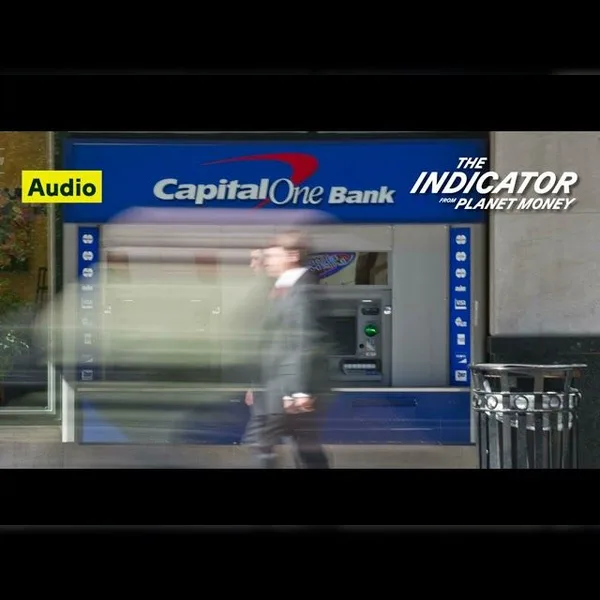
The Trump Organization has sued Capital One for closing its bank accounts. The organization says it did so out of political reasons. But banks can close accounts for a zillion reasons. They don’t have to say why. Capital One cited money laundering as a concern.
On today’s show, how banks decide to close accounts, how much politics plays a role and what the bank might have seen in its crime-stopping crystal ball.
Fact checking by Sierra Juarez (https://www.npr.org/people/1268825622/sierra-juarez) .
Your Next Listen
— What is a 'freedom economy'?
(https://www.npr.org/2024/04/16/1197963862/freedom-economy-anti-vaccine-banking)
Connect with The Indicator
— Sign up for The Indicator’s weekly newsletter (https://npr.org/indicatornewsletter) !
— Buy the Planet Money book (https://lnk.to/i3AukBdDWE)
— Find our socials, YouTube and more (https://linktr.ee/indicator_npr) !
— For sponsor-free episodes, subscribe to NPR+ (https://plus.npr.org/)
Support public media with NPR+ and enjoy perks for over 25 podcasts like this one. This show’s perks include sponsor-free listening. Learn more at plus.npr.org (http://plus.npr.org/) .
See pcm.adswizz.com (https://pcm.adswizz.com) for information about our collection and use of personal data for sponsorship and to manage your podcast sponsorship preferences.
NPR Privacy Policy (https://www.npr.org/about-npr/179878450/privacy-policy)
10:30
The Trump Organization has sued Capital One for closing its bank accounts. The organization says it did so out of political reasons. But banks can close accounts for a zillion reasons. They don’t have to say why. Capital One cited money laundering as a concern.
On today’s show, how banks decide to close accounts, how much politics plays a role and what the bank might have seen in its crime-stopping crystal ball.
Fact checking by Sierra Juarez (https://www.npr.org/people/1268825622/sierra-juarez) .
Your Next Listen
— What is a 'freedom economy'?
(https://www.npr.org/2024/04/16/1197963862/freedom-economy-anti-vaccine-banking)
Connect with The Indicator
— Sign up for The Indicator’s weekly newsletter (https://npr.org/indicatornewsletter) !
— Buy the Planet Money book (https://lnk.to/i3AukBdDWE)
— Find our socials, YouTube and more (https://linktr.ee/indicator_npr) !
— For sponsor-free episodes, subscribe to NPR+ (https://plus.npr.org/)
Support public media with NPR+ and enjoy perks for over 25 podcasts like this one. This show’s perks include sponsor-free listening. Learn more at plus.npr.org (http://plus.npr.org/) .
See pcm.adswizz.com (https://pcm.adswizz.com) for information about our collection and use of personal data for sponsorship and to manage your podcast sponsorship preferences.
NPR Privacy Policy (https://www.npr.org/about-npr/179878450/privacy-policy)
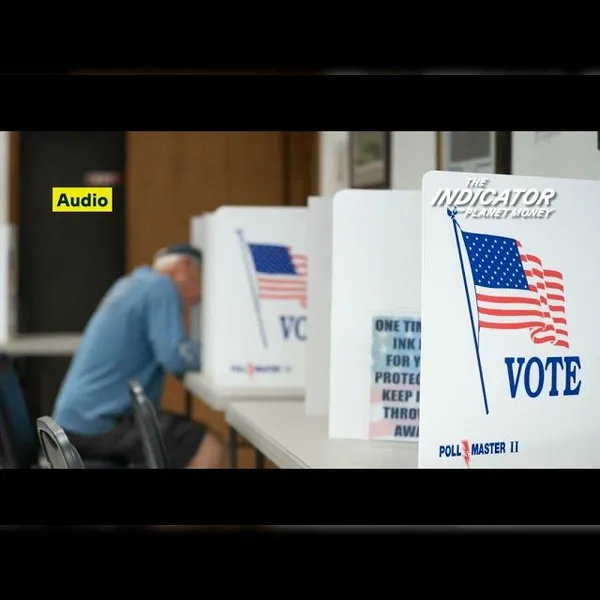
Fenwick Island, Del. has only around 900 people on its voting rolls, but some of those registered voters are not human. Many are family trusts and a few are companies. The town says its system works for its tiny beach community. So why are some lawmakers trying to stop it?
Fact checking by Sierra Juarez (https://www.npr.org/people/1268825622/sierra-juarez) .
Your Next Listen
— Who’s behind that shell company? (http://lnk.to/oL2YYB)
Connect with The Indicator
— Sign up for The Indicator’s weekly newsletter (https://npr.org/indicatornewsletter) !
— Buy the Planet Money book (https://lnk.to/i3AukBdDWE)
— Find our socials, YouTube and more (https://linktr.ee/indicator_npr) !
— For sponsor-free episodes, subscribe to NPR+ (https://plus.npr.org/)
Support public media with NPR+ and enjoy perks for over 25 podcasts like this one. This show’s perks include sponsor-free listening. Learn more at plus.npr.org (http://plus.npr.org/) .
See pcm.adswizz.com (https://pcm.adswizz.com) for information about our collection and use of personal data for sponsorship and to manage your podcast sponsorship preferences.
NPR Privacy Policy (https://www.npr.org/about-npr/179878450/privacy-policy)
11:01
Fenwick Island, Del. has only around 900 people on its voting rolls, but some of those registered voters are not human. Many are family trusts and a few are companies. The town says its system works for its tiny beach community. So why are some lawmakers trying to stop it?
Fact checking by Sierra Juarez (https://www.npr.org/people/1268825622/sierra-juarez) .
Your Next Listen
— Who’s behind that shell company? (http://lnk.to/oL2YYB)
Connect with The Indicator
— Sign up for The Indicator’s weekly newsletter (https://npr.org/indicatornewsletter) !
— Buy the Planet Money book (https://lnk.to/i3AukBdDWE)
— Find our socials, YouTube and more (https://linktr.ee/indicator_npr) !
— For sponsor-free episodes, subscribe to NPR+ (https://plus.npr.org/)
Support public media with NPR+ and enjoy perks for over 25 podcasts like this one. This show’s perks include sponsor-free listening. Learn more at plus.npr.org (http://plus.npr.org/) .
See pcm.adswizz.com (https://pcm.adswizz.com) for information about our collection and use of personal data for sponsorship and to manage your podcast sponsorship preferences.
NPR Privacy Policy (https://www.npr.org/about-npr/179878450/privacy-policy)
Some of the biggest firms on Wall Street are, at this very moment, waiting for thousands of strangers to die to reap their returns. Because there’s a market for life insurance policies. And it’s legal.
You don’t have to actually die to get some of your life insurance money. Thanks to a secondary market for life insurance policies, you might be able to claw back money from beyond the grave. You just sell your policy to an investor. So when you die, the payout goes to them, instead of your family or beneficiary.
On today’s show, how the wheels of finance transformed a desperate deal made during the AIDS crisis into a multi-billion dollar industry.
Support:
• Planet Money+ (https://n.pr/3HlREPz) Read:
• Our book: Planet Money: A Guide to the Economic Forces That Shape Your Life (https://lnk.to/i3AukBdD)
• Our weekly longform Planet Money newsletter (https://n.pr/3zrFvUB)
• Our weekly Indicator round-up newsletter (https://www.npr.org/newsletter/indicator) Follow:
• Instagram (https://n.pr/3FqLuws)
• TikTok (https://n.pr/3sGZdrq)
• YouTube (https://lnk.to/iCVDaW3C)
• Facebook (https://n.pr/3h92GwS) This episode was produced by Willa Rubin with help from Emma Peaslee. It was edited by Marianne McCune and fact-checked by Sierra Juarez. It was engineered by Cena Loffredo. Alex Goldmark is our executive producer.
Support public media with NPR+ and enjoy perks for over 25 podcasts like this one. This show’s perks include bonus episodes and sponsor-free listening. Learn more at plus.npr.org (http://plus.npr.org/) .
See pcm.adswizz.com (https://pcm.adswizz.com) for information about our collection and use of personal data for sponsorship and to manage your podcast sponsorship preferences.
NPR Privacy Policy (https://www.npr.org/about-npr/179878450/privacy-policy)
42:11
Some of the biggest firms on Wall Street are, at this very moment, waiting for thousands of strangers to die to reap their returns. Because there’s a market for life insurance policies. And it’s legal.
You don’t have to actually die to get some of your life insurance money. Thanks to a secondary market for life insurance policies, you might be able to claw back money from beyond the grave. You just sell your policy to an investor. So when you die, the payout goes to them, instead of your family or beneficiary.
On today’s show, how the wheels of finance transformed a desperate deal made during the AIDS crisis into a multi-billion dollar industry.
Support:
• Planet Money+ (https://n.pr/3HlREPz) Read:
• Our book: Planet Money: A Guide to the Economic Forces That Shape Your Life (https://lnk.to/i3AukBdD)
• Our weekly longform Planet Money newsletter (https://n.pr/3zrFvUB)
• Our weekly Indicator round-up newsletter (https://www.npr.org/newsletter/indicator) Follow:
• Instagram (https://n.pr/3FqLuws)
• TikTok (https://n.pr/3sGZdrq)
• YouTube (https://lnk.to/iCVDaW3C)
• Facebook (https://n.pr/3h92GwS) This episode was produced by Willa Rubin with help from Emma Peaslee. It was edited by Marianne McCune and fact-checked by Sierra Juarez. It was engineered by Cena Loffredo. Alex Goldmark is our executive producer.
Support public media with NPR+ and enjoy perks for over 25 podcasts like this one. This show’s perks include bonus episodes and sponsor-free listening. Learn more at plus.npr.org (http://plus.npr.org/) .
See pcm.adswizz.com (https://pcm.adswizz.com) for information about our collection and use of personal data for sponsorship and to manage your podcast sponsorship preferences.
NPR Privacy Policy (https://www.npr.org/about-npr/179878450/privacy-policy)
It’s Indicators of the Week!
On today’s episode: Retirees get a bump in benefits; credit card debt delinquency at a historically high level; and the dating app Bumble on a serious decline — Men first! IRL events! What will work!
Fact checking by Cooper Katz McKim and Vito Emanuel.
Your Next Listen
— Trying to fix the dating app backlash (https://lnk.to/dkPYymWE)
Connect with The Indicator
— Sign up for The Indicator’s weekly newsletter (https://npr.org/indicatornewsletter) !
— Buy the Planet Money book (https://lnk.to/i3AukBdDWE)
— Find our socials, YouTube and more (https://linktr.ee/indicator_npr) !
— For sponsor-free episodes, subscribe to NPR+ (https://plus.npr.org/)
Support public media with NPR+ and enjoy perks for over 25 podcasts like this one. This show’s perks include sponsor-free listening. Learn more at plus.npr.org (http://plus.npr.org/) .
See pcm.adswizz.com (https://pcm.adswizz.com) for information about our collection and use of personal data for sponsorship and to manage your podcast sponsorship preferences.
NPR Privacy Policy (https://www.npr.org/about-npr/179878450/privacy-policy)
10:55
It’s Indicators of the Week!
On today’s episode: Retirees get a bump in benefits; credit card debt delinquency at a historically high level; and the dating app Bumble on a serious decline — Men first! IRL events! What will work!
Fact checking by Cooper Katz McKim and Vito Emanuel.
Your Next Listen
— Trying to fix the dating app backlash (https://lnk.to/dkPYymWE)
Connect with The Indicator
— Sign up for The Indicator’s weekly newsletter (https://npr.org/indicatornewsletter) !
— Buy the Planet Money book (https://lnk.to/i3AukBdDWE)
— Find our socials, YouTube and more (https://linktr.ee/indicator_npr) !
— For sponsor-free episodes, subscribe to NPR+ (https://plus.npr.org/)
Support public media with NPR+ and enjoy perks for over 25 podcasts like this one. This show’s perks include sponsor-free listening. Learn more at plus.npr.org (http://plus.npr.org/) .
See pcm.adswizz.com (https://pcm.adswizz.com) for information about our collection and use of personal data for sponsorship and to manage your podcast sponsorship preferences.
NPR Privacy Policy (https://www.npr.org/about-npr/179878450/privacy-policy)
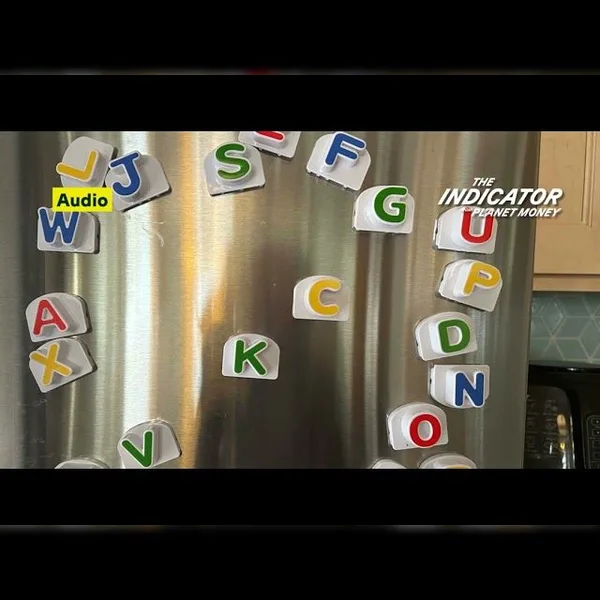
Which letter best describes how the U.S. economy is shaped: C or K? We examine the arguments for both and why there’s so much disagreement over who’s faring best in today’s economy.
Fact checking by Sierra Juarez (https://www.npr.org/people/1268825622/sierra-juarez) .
Your Next Listen
— We resolve to watch these 2026 indicators (http://lnk.to/pLVECW)
Connect with The Indicator
— Sign up for The Indicator’s weekly newsletter (https://npr.org/indicatornewsletter) !
— Buy the Planet Money book (https://lnk.to/i3AukBdDWE)
— Find our socials, YouTube and more (https://linktr.ee/indicator_npr) !
— For sponsor-free episodes, subscribe to NPR+ (https://plus.npr.org/)
Support public media with NPR+ and enjoy perks for over 25 podcasts like this one. This show’s perks include sponsor-free listening. Learn more at plus.npr.org (http://plus.npr.org/) .
See pcm.adswizz.com (https://pcm.adswizz.com) for information about our collection and use of personal data for sponsorship and to manage your podcast sponsorship preferences.
NPR Privacy Policy (https://www.npr.org/about-npr/179878450/privacy-policy)
10:29
Which letter best describes how the U.S. economy is shaped: C or K? We examine the arguments for both and why there’s so much disagreement over who’s faring best in today’s economy.
Fact checking by Sierra Juarez (https://www.npr.org/people/1268825622/sierra-juarez) .
Your Next Listen
— We resolve to watch these 2026 indicators (http://lnk.to/pLVECW)
Connect with The Indicator
— Sign up for The Indicator’s weekly newsletter (https://npr.org/indicatornewsletter) !
— Buy the Planet Money book (https://lnk.to/i3AukBdDWE)
— Find our socials, YouTube and more (https://linktr.ee/indicator_npr) !
— For sponsor-free episodes, subscribe to NPR+ (https://plus.npr.org/)
Support public media with NPR+ and enjoy perks for over 25 podcasts like this one. This show’s perks include sponsor-free listening. Learn more at plus.npr.org (http://plus.npr.org/) .
See pcm.adswizz.com (https://pcm.adswizz.com) for information about our collection and use of personal data for sponsorship and to manage your podcast sponsorship preferences.
NPR Privacy Policy (https://www.npr.org/about-npr/179878450/privacy-policy)
Just about everyone in Argentina is an expert in inflation and whether they like it or not, economic flexibility. Can we learn from them?
Over the years, we at Planet Money have checked in on Argentina as it tried to recover from economic collapse in 2001 and 2002, and as inflation shot up and the country defaulted on its debts. This week on our Summer School World Tour, we fly to Buenos Aires, mapping the moves of their economy through the eyes of people who live there – from tango classes and shoe shopping to a Coldplay concert that sparked a special exchange rate.
We’ll consider the different attempts from the government to staunch inflation and why they’ve led to so many unintended consequences. But the heart of this week’s trip is the resilience of everyday economic actors, regular people. When the value of your currency is so in flux, average people become monetary contortionists just to navigate work, shopping, saving and to keep small businesses afloat. This adaptability becomes a special kind of skill and wisdom. So, we’re harvesting that everyday economic insight for tips on how we can all face uncertainty a little better. And, to appreciate the high costs of volatility.
Featured Episodes:
• Messi economics (2022) (https://www.npr.org/2022/11/30/1139976898/messi-economics)
• A black market, a currency crisis and a tango competition in Argentina (2023) (https://www.npr.org/2023/09/22/1197954122/argentina-peso-inflation-milei)
• The high cost of a strong dollar (2022) (https://www.npr.org/2022/10/21/1130640816/strong-dollar-us-latin-america-inflation-peso-mexico-argentina-chile)
Featured Terms:
• Volatility
• Inflation expectations
• Capital controls
• AusteritySupport:
• NPR+ (sponsor-free listening & bonus episodes) (https://n.pr/3HlREPz)
• And please click “follow” in your podcast app so you don’t miss an episode.
Read:
• Our book: Planet Money: A Guide to the Economic Forces That Shape Your Life (https://lnk.to/i3AukBdD) (Audiobook here (https://open.spotify.com/show/509P7k1QPcwgzOSCqVCDCZ) )
• Our weekly longform Planet Money newsletter (https://n.pr/3zrFvUB)
• Our weekly Indicator link round-up newsletter (https://www.npr.org/newsletter/indicator)
Follow:
• Instagram (https://n.pr/3FqLuws)
• TikTok (https://n.pr/3sGZdrq)
• YouTube (https://lnk.to/iCVDaW3C)
• Facebook (https://n.pr/3h92GwS)
This episode of Planet Money Summer School is hosted by Robert Smith. It was produced by Sophia Paliza-Carre and Schuyler Swenson and edited by Planet Money Executive Producer Alex Goldmark. It was fact-checked by Sierra Juarez and engineered by Jimmy Keeley.
See pcm.adswizz.com (https://pcm.adswizz.com) for information about our collection and use of personal data for sponsorship and to manage your podcast sponsorship preferences.
NPR Privacy Policy (https://www.npr.org/about-npr/179878450/privacy-policy)
43:03
Just about everyone in Argentina is an expert in inflation and whether they like it or not, economic flexibility. Can we learn from them?
Over the years, we at Planet Money have checked in on Argentina as it tried to recover from economic collapse in 2001 and 2002, and as inflation shot up and the country defaulted on its debts. This week on our Summer School World Tour, we fly to Buenos Aires, mapping the moves of their economy through the eyes of people who live there – from tango classes and shoe shopping to a Coldplay concert that sparked a special exchange rate.
We’ll consider the different attempts from the government to staunch inflation and why they’ve led to so many unintended consequences. But the heart of this week’s trip is the resilience of everyday economic actors, regular people. When the value of your currency is so in flux, average people become monetary contortionists just to navigate work, shopping, saving and to keep small businesses afloat. This adaptability becomes a special kind of skill and wisdom. So, we’re harvesting that everyday economic insight for tips on how we can all face uncertainty a little better. And, to appreciate the high costs of volatility.
Featured Episodes:
• Messi economics (2022) (https://www.npr.org/2022/11/30/1139976898/messi-economics)
• A black market, a currency crisis and a tango competition in Argentina (2023) (https://www.npr.org/2023/09/22/1197954122/argentina-peso-inflation-milei)
• The high cost of a strong dollar (2022) (https://www.npr.org/2022/10/21/1130640816/strong-dollar-us-latin-america-inflation-peso-mexico-argentina-chile)
Featured Terms:
• Volatility
• Inflation expectations
• Capital controls
• AusteritySupport:
• NPR+ (sponsor-free listening & bonus episodes) (https://n.pr/3HlREPz)
• And please click “follow” in your podcast app so you don’t miss an episode.
Read:
• Our book: Planet Money: A Guide to the Economic Forces That Shape Your Life (https://lnk.to/i3AukBdD) (Audiobook here (https://open.spotify.com/show/509P7k1QPcwgzOSCqVCDCZ) )
• Our weekly longform Planet Money newsletter (https://n.pr/3zrFvUB)
• Our weekly Indicator link round-up newsletter (https://www.npr.org/newsletter/indicator)
Follow:
• Instagram (https://n.pr/3FqLuws)
• TikTok (https://n.pr/3sGZdrq)
• YouTube (https://lnk.to/iCVDaW3C)
• Facebook (https://n.pr/3h92GwS)
This episode of Planet Money Summer School is hosted by Robert Smith. It was produced by Sophia Paliza-Carre and Schuyler Swenson and edited by Planet Money Executive Producer Alex Goldmark. It was fact-checked by Sierra Juarez and engineered by Jimmy Keeley.
See pcm.adswizz.com (https://pcm.adswizz.com) for information about our collection and use of personal data for sponsorship and to manage your podcast sponsorship preferences.
NPR Privacy Policy (https://www.npr.org/about-npr/179878450/privacy-policy)
Rage. That’s what consumers are feeling right now. A new survey (https://theacsi.com/news-and-resources/press-releases/2026/08/11/press-release-national-acsi-q2-2026/) found consumer complaints hit a record high this year. Another (https://customercaremc.com/2025-national-customer-rage-study/) from last year found a huge share of consumers felt ‘rage’ with a product or service problem. Just think about the modern consumer experience: hidden fees, ballooning customer support wait times (perpetually experiencing higher call volumes than usual) … shrinkflation! Argh!! What’s going on?
On today’s show, unpacking consumer rage. And Heather Timmons, who covers consumer rights for The Guardian (https://www.theguardian.com/profile/heather-timmons) , talks about what we might do about it.
Fact checking by Sierra Juarez (https://www.npr.org/people/1268825622/sierra-juarez) .
Your Next Listen
— Petty! Econ! Grievances! (https://www.npr.org/2026/07/27/nx-s1-5907115/petty-econ-grievances)
Connect with The Indicator
— Sign up for The Indicator’s weekly newsletter (https://npr.org/indicatornewsletter) !
— Buy the Planet Money book (https://lnk.to/i3AukBdDWE)
— Find our socials, YouTube and more (https://linktr.ee/indicator_npr) !
For sponsor-free episodes, subscribe to NPR+ (https://plus.npr.org/) Support public media with NPR+ and enjoy perks for over 25 podcasts like this one. This show’s perks include sponsor-free listening. Learn more at plus.npr.org (http://plus.npr.org/) .
See pcm.adswizz.com (https://pcm.adswizz.com) for information about our collection and use of personal data for sponsorship and to manage your podcast sponsorship preferences.
NPR Privacy Policy (https://www.npr.org/about-npr/179878450/privacy-policy)
10:50
Rage. That’s what consumers are feeling right now. A new survey (https://theacsi.com/news-and-resources/press-releases/2026/08/11/press-release-national-acsi-q2-2026/) found consumer complaints hit a record high this year. Another (https://customercaremc.com/2025-national-customer-rage-study/) from last year found a huge share of consumers felt ‘rage’ with a product or service problem. Just think about the modern consumer experience: hidden fees, ballooning customer support wait times (perpetually experiencing higher call volumes than usual) … shrinkflation! Argh!! What’s going on?
On today’s show, unpacking consumer rage. And Heather Timmons, who covers consumer rights for The Guardian (https://www.theguardian.com/profile/heather-timmons) , talks about what we might do about it.
Fact checking by Sierra Juarez (https://www.npr.org/people/1268825622/sierra-juarez) .
Your Next Listen
— Petty! Econ! Grievances! (https://www.npr.org/2026/07/27/nx-s1-5907115/petty-econ-grievances)
Connect with The Indicator
— Sign up for The Indicator’s weekly newsletter (https://npr.org/indicatornewsletter) !
— Buy the Planet Money book (https://lnk.to/i3AukBdDWE)
— Find our socials, YouTube and more (https://linktr.ee/indicator_npr) !
For sponsor-free episodes, subscribe to NPR+ (https://plus.npr.org/) Support public media with NPR+ and enjoy perks for over 25 podcasts like this one. This show’s perks include sponsor-free listening. Learn more at plus.npr.org (http://plus.npr.org/) .
See pcm.adswizz.com (https://pcm.adswizz.com) for information about our collection and use of personal data for sponsorship and to manage your podcast sponsorship preferences.
NPR Privacy Policy (https://www.npr.org/about-npr/179878450/privacy-policy)
The total amount of investors using margin aka borrowing money to help pay for a trade is at an all time high of over $1.5 trillion. Is this something we should worry about? We spoke to Jurrien Tinner at Fidelity Investments.
Note: Jurrien Timmer's views are his own and not representative of Fidelity.
Fact checking by Sierra Juarez (https://www.npr.org/people/1268825622/sierra-juarez) .
Your Next Listen
— How AI might mess with financial markets
(http://lnk.to/zlkvbt)
Connect with The Indicator
— Sign up for The Indicator’s weekly newsletter (https://npr.org/indicatornewsletter) !
— Buy the Planet Money book (https://lnk.to/i3AukBdDWE)
— Find our socials, YouTube and more (https://linktr.ee/indicator_npr) !
— For sponsor-free episodes, subscribe to NPR+ (https://plus.npr.org/)
Support public media with NPR+ and enjoy perks for over 25 podcasts like this one. This show’s perks include sponsor-free listening. Learn more at plus.npr.org (http://plus.npr.org/) .
See pcm.adswizz.com (https://pcm.adswizz.com) for information about our collection and use of personal data for sponsorship and to manage your podcast sponsorship preferences.
NPR Privacy Policy (https://www.npr.org/about-npr/179878450/privacy-policy)
10:57
The total amount of investors using margin aka borrowing money to help pay for a trade is at an all time high of over $1.5 trillion. Is this something we should worry about? We spoke to Jurrien Tinner at Fidelity Investments.
Note: Jurrien Timmer's views are his own and not representative of Fidelity.
Fact checking by Sierra Juarez (https://www.npr.org/people/1268825622/sierra-juarez) .
Your Next Listen
— How AI might mess with financial markets
(http://lnk.to/zlkvbt)
Connect with The Indicator
— Sign up for The Indicator’s weekly newsletter (https://npr.org/indicatornewsletter) !
— Buy the Planet Money book (https://lnk.to/i3AukBdDWE)
— Find our socials, YouTube and more (https://linktr.ee/indicator_npr) !
— For sponsor-free episodes, subscribe to NPR+ (https://plus.npr.org/)
Support public media with NPR+ and enjoy perks for over 25 podcasts like this one. This show’s perks include sponsor-free listening. Learn more at plus.npr.org (http://plus.npr.org/) .
See pcm.adswizz.com (https://pcm.adswizz.com) for information about our collection and use of personal data for sponsorship and to manage your podcast sponsorship preferences.
NPR Privacy Policy (https://www.npr.org/about-npr/179878450/privacy-policy)
President Trump is no fan of wind farms. And his administration is putting taxpayer money where his mouth is, paying companies billions of dollars to NOT build them.
On today’s show, Trump’s plan to squelch wind farms with the public purse.
Fact checking by Tyler Jones.
Your Next Listen
— Wind boom, wind bust (Two Windicators) (https://lnk.to/YjmHD0)
Connect with The Indicator
— Sign up for The Indicator’s brand new newsletter (https://npr.org/indicatornewsletter)
— Find our socials, YouTube and more (https://linktr.ee/indicator_npr) !
— For sponsor-free episodes, subscribe to NPR+ (https://plus.npr.org/)
Support public media with NPR+ and enjoy perks for over 25 podcasts like this one. This show’s perks include sponsor-free listening. Learn more at plus.npr.org (http://plus.npr.org/) .
See pcm.adswizz.com (https://pcm.adswizz.com) for information about our collection and use of personal data for sponsorship and to manage your podcast sponsorship preferences.
NPR Privacy Policy (https://www.npr.org/about-npr/179878450/privacy-policy)
10:55
President Trump is no fan of wind farms. And his administration is putting taxpayer money where his mouth is, paying companies billions of dollars to NOT build them.
On today’s show, Trump’s plan to squelch wind farms with the public purse.
Fact checking by Tyler Jones.
Your Next Listen
— Wind boom, wind bust (Two Windicators) (https://lnk.to/YjmHD0)
Connect with The Indicator
— Sign up for The Indicator’s brand new newsletter (https://npr.org/indicatornewsletter)
— Find our socials, YouTube and more (https://linktr.ee/indicator_npr) !
— For sponsor-free episodes, subscribe to NPR+ (https://plus.npr.org/)
Support public media with NPR+ and enjoy perks for over 25 podcasts like this one. This show’s perks include sponsor-free listening. Learn more at plus.npr.org (http://plus.npr.org/) .
See pcm.adswizz.com (https://pcm.adswizz.com) for information about our collection and use of personal data for sponsorship and to manage your podcast sponsorship preferences.
NPR Privacy Policy (https://www.npr.org/about-npr/179878450/privacy-policy)
When workers past retirement age can’t afford to retire — that’s one thing. When they can, and just don’t want to — that’s trickier.
It used to be legal to force people to retire when they hit a certain age. The trend used to be earlier and earlier retirement. Now it’s later and later retirement. And younger workers say it’s impacting their career advancement and their ability to save for their own retirement.
At the same time, older workers are living longer, Social Security and Medicare funding are less secure than ever … and many people want to keep working.
Age in the workplace is a tricky thing to talk about. But today on the show, we’re talking about it. On the latest Planet Money, a law professor who says retirement should be mandatory at age 70. And an economist who says, actually … people should delay retirement even longer.
Show notes:
• More of Planet Money’s coverage (https://www.npr.org/2020/01/09/794977811/episode-963-13-000-economists-1-question) of the lump of labor fallacy
• Samuel Moyn: Gerontocracy in America: How the Old Are Hoarding Power and Wealth? And What to Do About It. (https://us.macmillan.com/books/9780374607647/gerontocracyinamerica/)
• Gerhard Casper and Saunders Mac Lane: “Older Doesn’t Mean Wiser (https://www.nytimes.com/1990/10/26/opinion/older-doesnt-mean-wiser.html) ”
Read:
• Our book: Planet Money: A Guide to the Economic Forces That Shape Your Life (https://lnk.to/i3AukBdD)
• Our weekly long-form Planet Money newsletter (https://n.pr/3zrFvUB)
• Our weekly Indicator round-up newsletter (https://www.npr.org/newsletter/indicator)
Follow:
• Instagram (https://n.pr/3FqLuws)
• TikTok (https://n.pr/3sGZdrq)
• YouTube (https://lnk.to/iCVDaW3C)
• Facebook (https://n.pr/3h92GwS)
Support public media with NPR+ and enjoy perks for over 25 podcasts like this one. This show’s perks include bonus episodes and sponsor-free listening. Learn more at plus.npr.org (http://plus.npr.org/) .
This episode was reported by Sarah Gonzalez. It was produced by Willa Rubin, edited by Eric Misitzis Mennel, and fact-checked by Charlotte Isidore. It was engineered by Robert Rodriguez and Jimmy Keeley. Alex Goldmark is our executive producer.
Music: NPR Source Audio: “Don’t Cross The Line,” “Aventure Burlesque,” and “Hollywood.”
See pcm.adswizz.com (https://pcm.adswizz.com) for information about our collection and use of personal data for sponsorship and to manage your podcast sponsorship preferences.
NPR Privacy Policy (https://www.npr.org/about-npr/179878450/privacy-policy)
37:17
When workers past retirement age can’t afford to retire — that’s one thing. When they can, and just don’t want to — that’s trickier.
It used to be legal to force people to retire when they hit a certain age. The trend used to be earlier and earlier retirement. Now it’s later and later retirement. And younger workers say it’s impacting their career advancement and their ability to save for their own retirement.
At the same time, older workers are living longer, Social Security and Medicare funding are less secure than ever … and many people want to keep working.
Age in the workplace is a tricky thing to talk about. But today on the show, we’re talking about it. On the latest Planet Money, a law professor who says retirement should be mandatory at age 70. And an economist who says, actually … people should delay retirement even longer.
Show notes:
• More of Planet Money’s coverage (https://www.npr.org/2020/01/09/794977811/episode-963-13-000-economists-1-question) of the lump of labor fallacy
• Samuel Moyn: Gerontocracy in America: How the Old Are Hoarding Power and Wealth? And What to Do About It. (https://us.macmillan.com/books/9780374607647/gerontocracyinamerica/)
• Gerhard Casper and Saunders Mac Lane: “Older Doesn’t Mean Wiser (https://www.nytimes.com/1990/10/26/opinion/older-doesnt-mean-wiser.html) ”
Read:
• Our book: Planet Money: A Guide to the Economic Forces That Shape Your Life (https://lnk.to/i3AukBdD)
• Our weekly long-form Planet Money newsletter (https://n.pr/3zrFvUB)
• Our weekly Indicator round-up newsletter (https://www.npr.org/newsletter/indicator)
Follow:
• Instagram (https://n.pr/3FqLuws)
• TikTok (https://n.pr/3sGZdrq)
• YouTube (https://lnk.to/iCVDaW3C)
• Facebook (https://n.pr/3h92GwS)
Support public media with NPR+ and enjoy perks for over 25 podcasts like this one. This show’s perks include bonus episodes and sponsor-free listening. Learn more at plus.npr.org (http://plus.npr.org/) .
This episode was reported by Sarah Gonzalez. It was produced by Willa Rubin, edited by Eric Misitzis Mennel, and fact-checked by Charlotte Isidore. It was engineered by Robert Rodriguez and Jimmy Keeley. Alex Goldmark is our executive producer.
Music: NPR Source Audio: “Don’t Cross The Line,” “Aventure Burlesque,” and “Hollywood.”
See pcm.adswizz.com (https://pcm.adswizz.com) for information about our collection and use of personal data for sponsorship and to manage your podcast sponsorship preferences.
NPR Privacy Policy (https://www.npr.org/about-npr/179878450/privacy-policy)