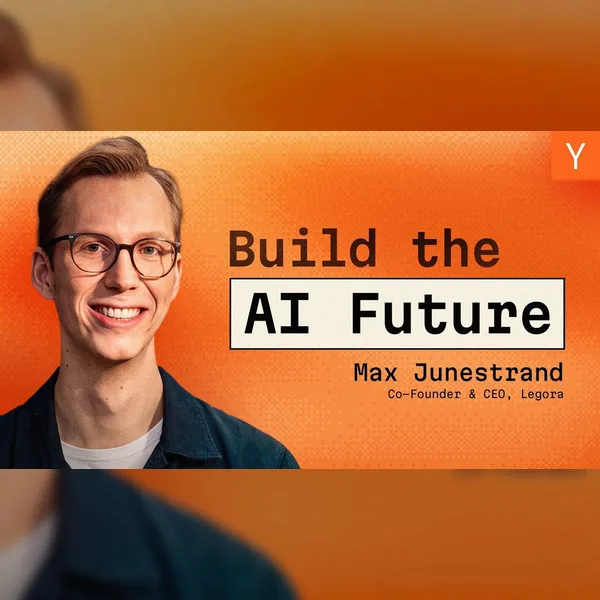
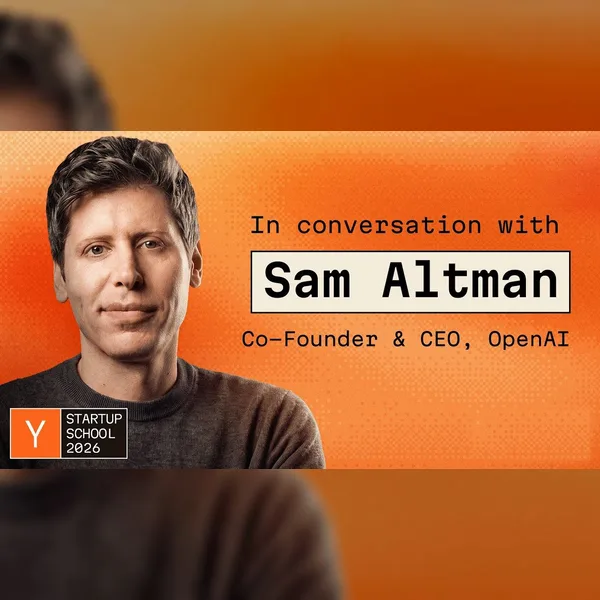
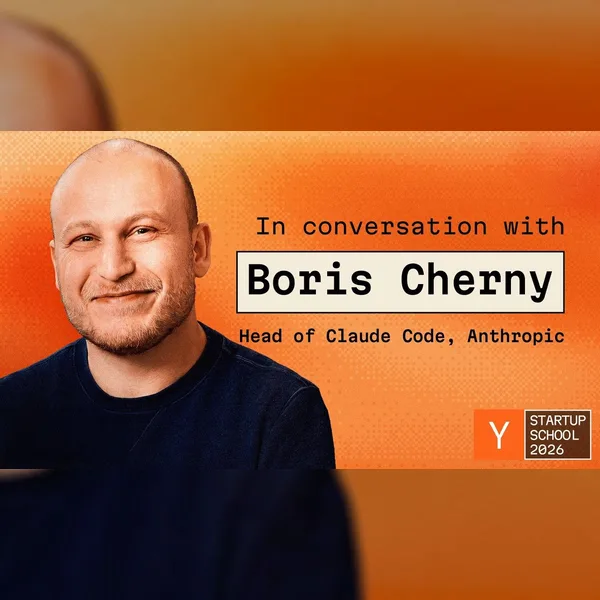
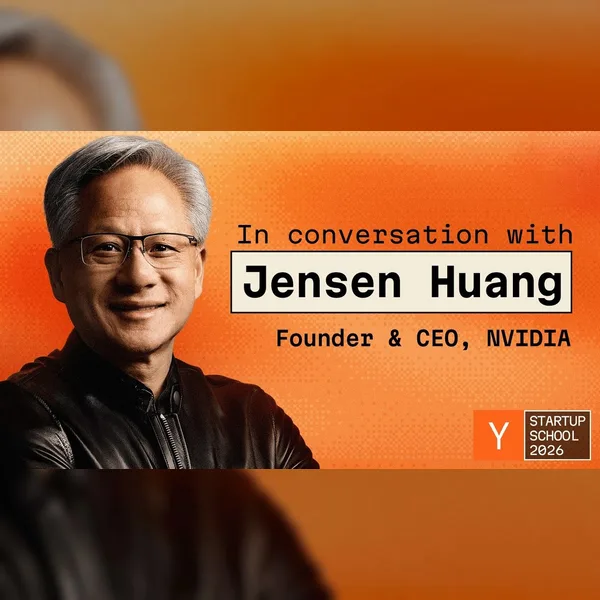
Today, more than 3% of the world’s lawyers use Legora, and the company has grown from $1 million to $100 million in ARR since launching in October 2024.
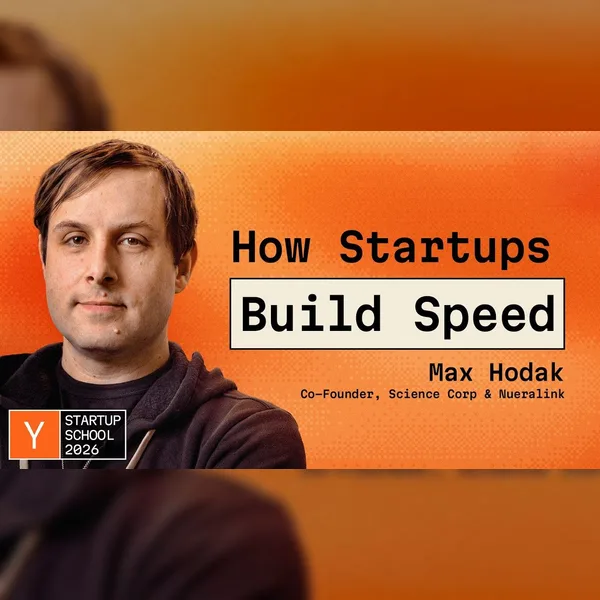
At Startup School 2026, Legora co-founder and CEO Max Junestrand shares how they built one of the fastest-growing enterprise software companies in the world, from cold emailing lawyers and moving into a customer’s office to freezing sales for six months to rebuild the product. He explains why building a company is ultimately about people, how to create a culture that wants to win, and why founders have to learn to love the hustle.
Transcript: https://www.ycrootaccess.com/p/max-junestrand-you-need-the-willingness
Apply to Y Combinator: https://www.ycombinator.com/apply
Work at a startup: https://www.ycombinator.com/jobs
Chapters:
00:00 — Intro
01:25 — What Lawyers Actually Needed
03:15 — The Origin Story
06:09 — Moving Into a Law Firm
07:22 — The YC Rejection
11:11 — San Francisco
12:20 — 80 Investor Meetings in 10 Days
13:26 — Freezing Sales to Fix the Product
16:19 — The Legora Product Manifesto
17:56 — Unlearning the Fancy Resume Hire
20:21 — The Law of Jante Problem
24:13 — Stockholm Onboarding as Superpower
25:26 — What Actually Made the Company
27:55 — Does Domain Expertise Still Matter?
29:14 — Betting on Model Improvement
34:09 — Building Your Own Evals
36:29 — When Should You Start a Startup?
41:41 — How Competitiveness Shows Up at Legora
44:17 — What Happens When You're #1?
45:04 — How to Become More Ambitious
48:43 — Storytelling as the CEO Superpower
54:00 — Zero to $100M in 18 Months
59:40
Today, more than 3% of the world’s lawyers use Legora, and the company has grown from $1 million to $100 million in ARR since launching in October 2024.
At Startup School 2026, Legora co-founder and CEO Max Junestrand shares how they built one of the fastest-growing enterprise software companies in the world, from cold emailing lawyers and moving into a customer’s office to freezing sales for six months to rebuild the product. He explains why building a company is ultimately about people, how to create a culture that wants to win, and why founders have to learn to love the hustle.
Transcript: https://www.ycrootaccess.com/p/max-junestrand-you-need-the-willingness
Apply to Y Combinator: https://www.ycombinator.com/apply
Work at a startup: https://www.ycombinator.com/jobs
Chapters:
00:00 — Intro
01:25 — What Lawyers Actually Needed
03:15 — The Origin Story
06:09 — Moving Into a Law Firm
07:22 — The YC Rejection
11:11 — San Francisco
12:20 — 80 Investor Meetings in 10 Days
13:26 — Freezing Sales to Fix the Product
16:19 — The Legora Product Manifesto
17:56 — Unlearning the Fancy Resume Hire
20:21 — The Law of Jante Problem
24:13 — Stockholm Onboarding as Superpower
25:26 — What Actually Made the Company
27:55 — Does Domain Expertise Still Matter?
29:14 — Betting on Model Improvement
34:09 — Building Your Own Evals
36:29 — When Should You Start a Startup?
41:41 — How Competitiveness Shows Up at Legora
44:17 — What Happens When You're #1?
45:04 — How to Become More Ambitious
48:43 — Storytelling as the CEO Superpower
54:00 — Zero to $100M in 18 Months
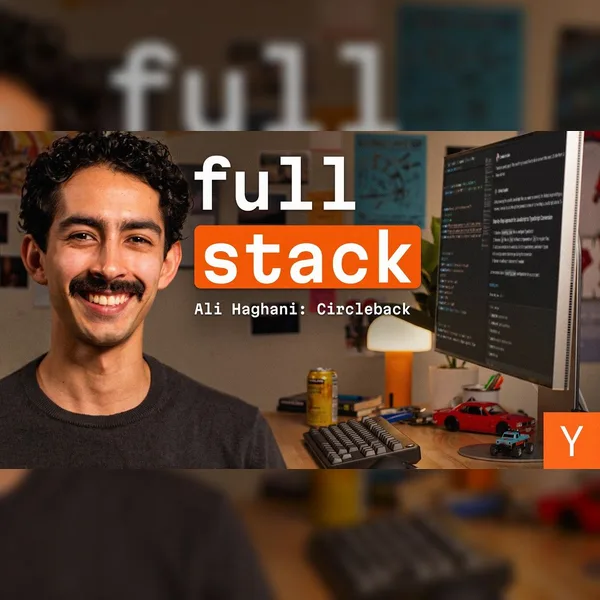
In this episode of Full Stack, Circleback CEO Ali Haghani shows his work setup and explains why recording meetings with AI notetakers is quickly becoming a necessary practice for teams and companies.
Apply to Y Combinator: https://www.ycombinator.com/apply
Work at a startup: https://www.ycombinator.com/jobs
https://circleback.ai/
Chapters:
00:00 - Intro
00:44 - Ali's hardware setup + gadgets
02:51 - Unexpected ways of using Circleback
05:21 - OpenClaw/Telegram vs coding tools
05:48 - Different agents made in Telegram
07:42 - Time spent in terminal vs everything else
09:36 - Testing and writing prompts
10:48 - Tokenmaxxing?
12:24 - Things Ali will not let agents do
12:59 - Why should companies start recording more meetings?
14:04 - Where is software engineering headed?
15:17
In this episode of Full Stack, Circleback CEO Ali Haghani shows his work setup and explains why recording meetings with AI notetakers is quickly becoming a necessary practice for teams and companies.
Apply to Y Combinator: https://www.ycombinator.com/apply
Work at a startup: https://www.ycombinator.com/jobs
https://circleback.ai/
Chapters:
00:00 - Intro
00:44 - Ali's hardware setup + gadgets
02:51 - Unexpected ways of using Circleback
05:21 - OpenClaw/Telegram vs coding tools
05:48 - Different agents made in Telegram
07:42 - Time spent in terminal vs everything else
09:36 - Testing and writing prompts
10:48 - Tokenmaxxing?
12:24 - Things Ali will not let agents do
12:59 - Why should companies start recording more meetings?
14:04 - Where is software engineering headed?
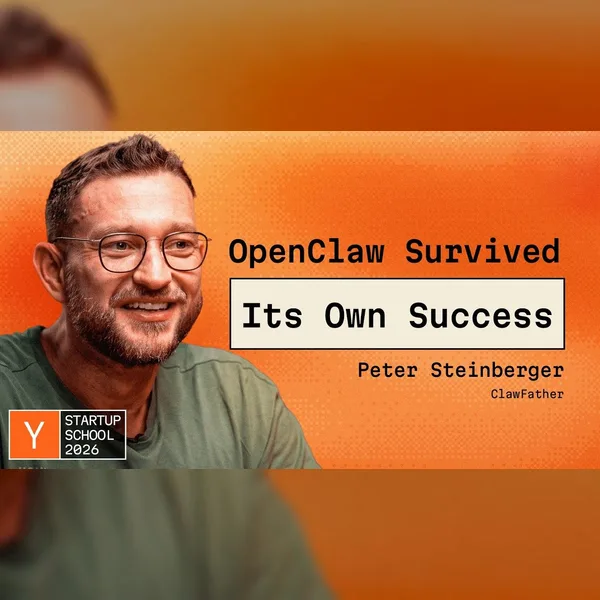
Last November, Peter Steinberger was annoyed that there was no good way to talk to his coding agents from his phone, so he built one himself. A few months later, OpenClaw had exploded into one of the biggest open source AI projects in the world, with nearly 3,000 contributors and a peak of 4.7 million weekly downloads.
At Startup School 2026, Peter tells the story of what happened when OpenClaw took off, what he got wrong as it grew, and how he eventually stopped using the product he had built for himself.
He shares why the best products often start with something that annoys you, why focus matters more as building gets easier, and why, in his words, “fun is velocity.”
Transcript: https://www.ycrootaccess.com/p/peter-steinberger-what-happens-when
Apply to Y Combinator: https://www.ycombinator.com/apply
Work at a startup: https://www.ycombinator.com/jobs
Chapters:
00:00 — Intro
01:16 — How OpenClaw Started
05:10 — Finding Product-Market Fit
07:01 — The Night OpenClaw Went Viral
09:50 — When the Project Exploded
11:05 — When the Attention Almost Broke Him
12:00 — Did You Sell Out?
14:17 — Your Name Can’t Be Forked
15:03 — What OpenClaw Got Wrong
20:40 — Hype Is Like the Weather
21:37 — When It Stopped Being Fun
25:30 — Fun Is Velocity
26:40 — What’s Next for OpenClaw
28:57 — Three Lessons From Building OpenClaw
30:08 — Q&A
41:53
Last November, Peter Steinberger was annoyed that there was no good way to talk to his coding agents from his phone, so he built one himself. A few months later, OpenClaw had exploded into one of the biggest open source AI projects in the world, with nearly 3,000 contributors and a peak of 4.7 million weekly downloads.
At Startup School 2026, Peter tells the story of what happened when OpenClaw took off, what he got wrong as it grew, and how he eventually stopped using the product he had built for himself.
He shares why the best products often start with something that annoys you, why focus matters more as building gets easier, and why, in his words, “fun is velocity.”
Transcript: https://www.ycrootaccess.com/p/peter-steinberger-what-happens-when
Apply to Y Combinator: https://www.ycombinator.com/apply
Work at a startup: https://www.ycombinator.com/jobs
Chapters:
00:00 — Intro
01:16 — How OpenClaw Started
05:10 — Finding Product-Market Fit
07:01 — The Night OpenClaw Went Viral
09:50 — When the Project Exploded
11:05 — When the Attention Almost Broke Him
12:00 — Did You Sell Out?
14:17 — Your Name Can’t Be Forked
15:03 — What OpenClaw Got Wrong
20:40 — Hype Is Like the Weather
21:37 — When It Stopped Being Fun
25:30 — Fun Is Velocity
26:40 — What’s Next for OpenClaw
28:57 — Three Lessons From Building OpenClaw
30:08 — Q&A
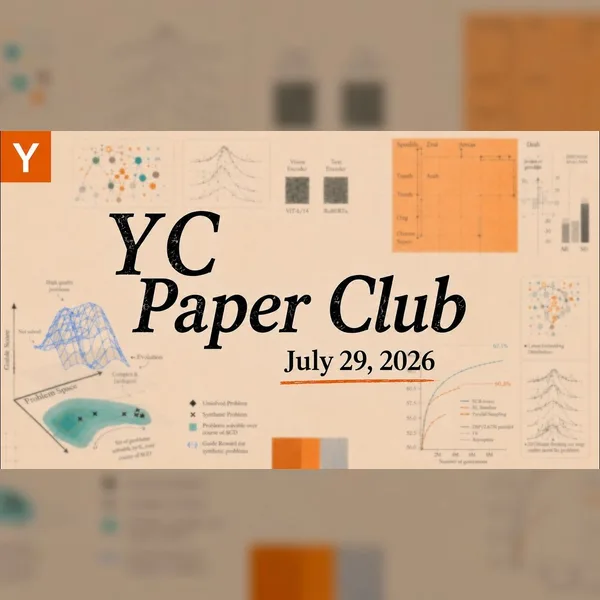
在我们最近的YC Paper Club上,研究人员和开发者分享了多GPU内核优化、本地推理的每瓦特智能、AI生成的GPU内核与基准测试、异构推理基础设施设计,以及用于强化学习的GPU加速游戏引擎。
感谢以下演讲者:
Stuart Sul (Stanford / Cursor), John (Stanford), Mark (PyTorch / GPU Mode / CoreAuto), Misha (Marlo), and Brennan (Stanford)
文字记录:https://www.ycrootaccess.com/p/multi-gpu-kernels-intelligence-per
章节:
0:00 – Francois Chaubard:芯片与内核专业化的理由
7:16 – Stuart Sul: Parallel Kittens - Systematic and Practical Simplification of Multi-GPU Al Kernels (https://arxiv.org/abs/2511.13940)
21:29 – Jon Saad-Falcon: Intelligence per Watt - Measuring the Intelligence Efficiency of Local and Cloud AI (https://arxiv.org/abs/2511.07885)
31:05 – Mark Saroufim:当AI开始编写系统代码
47:04 – Misha Smelyanskiy:为什么AI推理需要异构硬件
1:04:33 – Brennan Shacklett:构建一个完全在GPU上运行的高吞吐量游戏引擎 (https://madrona-engine.github.io/shacklett_siggraph23.pdf)
1:15:35 – 总结与下一步
申请加入Y Combinator:https://www.ycombinator.com/apply
在初创公司工作:https://www.ycombinator.com/jobs
1:16:25
在我们最近的YC Paper Club上,研究人员和开发者分享了多GPU内核优化、本地推理的每瓦特智能、AI生成的GPU内核与基准测试、异构推理基础设施设计,以及用于强化学习的GPU加速游戏引擎。
感谢以下演讲者:
Stuart Sul (Stanford / Cursor), John (Stanford), Mark (PyTorch / GPU Mode / CoreAuto), Misha (Marlo), and Brennan (Stanford)
文字记录:https://www.ycrootaccess.com/p/multi-gpu-kernels-intelligence-per
章节:
0:00 – Francois Chaubard:芯片与内核专业化的理由
7:16 – Stuart Sul: Parallel Kittens - Systematic and Practical Simplification of Multi-GPU Al Kernels (https://arxiv.org/abs/2511.13940)
21:29 – Jon Saad-Falcon: Intelligence per Watt - Measuring the Intelligence Efficiency of Local and Cloud AI (https://arxiv.org/abs/2511.07885)
31:05 – Mark Saroufim:当AI开始编写系统代码
47:04 – Misha Smelyanskiy:为什么AI推理需要异构硬件
1:04:33 – Brennan Shacklett:构建一个完全在GPU上运行的高吞吐量游戏引擎 (https://madrona-engine.github.io/shacklett_siggraph23.pdf)
1:15:35 – 总结与下一步
申请加入Y Combinator:https://www.ycombinator.com/apply
在初创公司工作:https://www.ycombinator.com/jobs