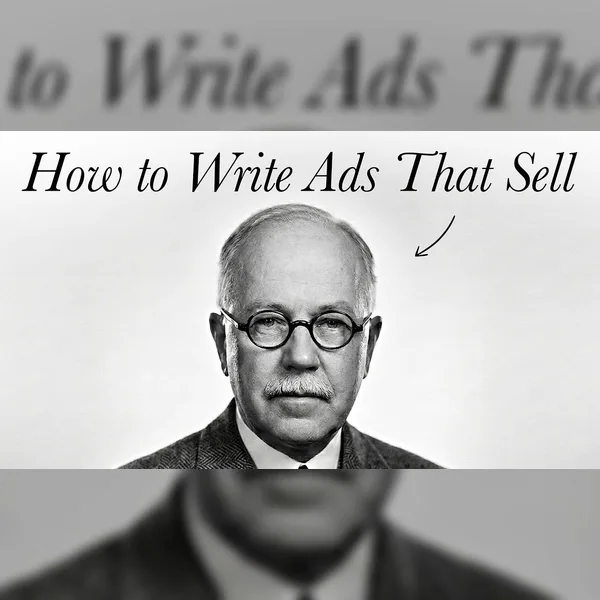
Claude Hopkins was the greatest copywriter of all time.
His ideas were so valuable that when he wrote them down in a book (Scientific Advertising) the founder of his advertising firm locked the manuscript in a safe for 20 years.
When the book was finally published it sold over 8 million copies. David Ogilvy said that nobody should work in advertising until they had read the book seven times.
This episode is what I learned by reading Claude Hopkins' autobiography My Life In Advertising and his legendary book Scientific Advertising: https://amzn.to/4hVid0t
Made possible by:
Ramp: https://ramp.com
Applovin: https://www.applovin.com
Vanta: https://vanta.com/founders
Some of my favorite quotes:
0:00 — "Any man who by a lifetime of excessive application learns more about anything than others owes a statement to his successors."
5:12 — "The man who works twice as long as his fellows is bound to go twice as far, especially in advertising."
5:30 — "If I have gone higher than others in advertising or done more, the fact is not due to exceptional ability but to exceptional hours."
6:48 — "To poverty I owe the fact that I never went to college. I spent those four years in the school of experience instead of the school of theory."
9:08 — "Which is work and which is play? If a thing is useful, they call it work. If it's useless, they call it play. But one is hard as the other. All the difference I see lies in the attitude of the mind."
9:32 — "I came to love work as other men love golf. I love it still. The love of work can be cultivated just like the love of play."
9:58 — "We do best what we like best."
13:05 — "A good product is its own best salesman. It is uphill work to sell goods without samples."
15:00 — "We must never judge humanity by ourselves. The things we want, the things we like may appeal to a small minority."
15:23 — "We must submit all things in advertising to the court of public opinion."
17:48 — "Some of the greatest successes I have ever known in advertising were ignorant men. One wrote copy which would induce a farmer to mortgage his barn to respond, but every sentence had to be edited for grammar."
20:23 — "John Powers created a new concept of advertising. He told the truth, but told it in a rugged and fascinating way."
25:47 — "Study salesmen, canvassers, and fakers if you want to know how to sell goods. No argument in the world can ever compare with one dramatic demonstration."
26:35 — "The average salesman seeks favors. He seeks profit for himself. His plea is, 'Buy my goods.' He makes a selfish appeal to selfish people, and of course, he meets resistance. I was selling service."
28:45 — "We must treat people in advertising as we treat them in person."
31:23 — "Others have never told this story. It will startle everyone in print. I gave purity a meaning." (On Schlitz Beer jumping from 5th to 1st.)
32:03 — "Tell the pains that you take to excel. The maker is too close to his product. He sees in his methods only the ordinary."
34:08 — "The greatest two faults in advertising lie in boasts and in selfishness. People will listen if you talk service to them. They will turn their backs when you seek to impress an advantage for yourself."
41:23 — "People will do anything to cure a trouble, but little to prevent it. Prevention offers slight appeal to humanity in general. They want to be told of rewards."
1:01:30 — "Genius is the art of taking pains. The advertising man who spares the midnight oil will never get very far. This is no lazy man's field."
1:03:16
Claude Hopkins was the greatest copywriter of all time.
His ideas were so valuable that when he wrote them down in a book (Scientific Advertising) the founder of his advertising firm locked the manuscript in a safe for 20 years.
When the book was finally published it sold over 8 million copies. David Ogilvy said that nobody should work in advertising until they had read the book seven times.
This episode is what I learned by reading Claude Hopkins' autobiography My Life In Advertising and his legendary book Scientific Advertising: https://amzn.to/4hVid0t
Made possible by:
Ramp: https://ramp.com
Applovin: https://www.applovin.com
Vanta: https://vanta.com/founders
Some of my favorite quotes:
0:00 — "Any man who by a lifetime of excessive application learns more about anything than others owes a statement to his successors."
5:12 — "The man who works twice as long as his fellows is bound to go twice as far, especially in advertising."
5:30 — "If I have gone higher than others in advertising or done more, the fact is not due to exceptional ability but to exceptional hours."
6:48 — "To poverty I owe the fact that I never went to college. I spent those four years in the school of experience instead of the school of theory."
9:08 — "Which is work and which is play? If a thing is useful, they call it work. If it's useless, they call it play. But one is hard as the other. All the difference I see lies in the attitude of the mind."
9:32 — "I came to love work as other men love golf. I love it still. The love of work can be cultivated just like the love of play."
9:58 — "We do best what we like best."
13:05 — "A good product is its own best salesman. It is uphill work to sell goods without samples."
15:00 — "We must never judge humanity by ourselves. The things we want, the things we like may appeal to a small minority."
15:23 — "We must submit all things in advertising to the court of public opinion."
17:48 — "Some of the greatest successes I have ever known in advertising were ignorant men. One wrote copy which would induce a farmer to mortgage his barn to respond, but every sentence had to be edited for grammar."
20:23 — "John Powers created a new concept of advertising. He told the truth, but told it in a rugged and fascinating way."
25:47 — "Study salesmen, canvassers, and fakers if you want to know how to sell goods. No argument in the world can ever compare with one dramatic demonstration."
26:35 — "The average salesman seeks favors. He seeks profit for himself. His plea is, 'Buy my goods.' He makes a selfish appeal to selfish people, and of course, he meets resistance. I was selling service."
28:45 — "We must treat people in advertising as we treat them in person."
31:23 — "Others have never told this story. It will startle everyone in print. I gave purity a meaning." (On Schlitz Beer jumping from 5th to 1st.)
32:03 — "Tell the pains that you take to excel. The maker is too close to his product. He sees in his methods only the ordinary."
34:08 — "The greatest two faults in advertising lie in boasts and in selfishness. People will listen if you talk service to them. They will turn their backs when you seek to impress an advantage for yourself."
41:23 — "People will do anything to cure a trouble, but little to prevent it. Prevention offers slight appeal to humanity in general. They want to be told of rewards."
1:01:30 — "Genius is the art of taking pains. The advertising man who spares the midnight oil will never get very far. This is no lazy man's field."
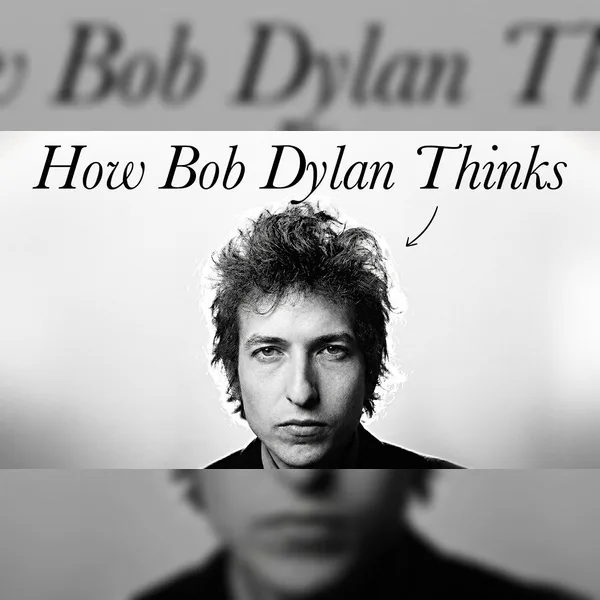
What I learned from rereading Bob Dylan's autobiography: https://amzn.to/4g7BQRD
Made possible by:
Ramp: https://ramp.com
Applovin: https://www.applovin.com
Vanta: https://vanta.com/founders
59:50
What I learned from rereading Bob Dylan's autobiography: https://amzn.to/4g7BQRD
Made possible by:
Ramp: https://ramp.com
Applovin: https://www.applovin.com
Vanta: https://vanta.com/founders
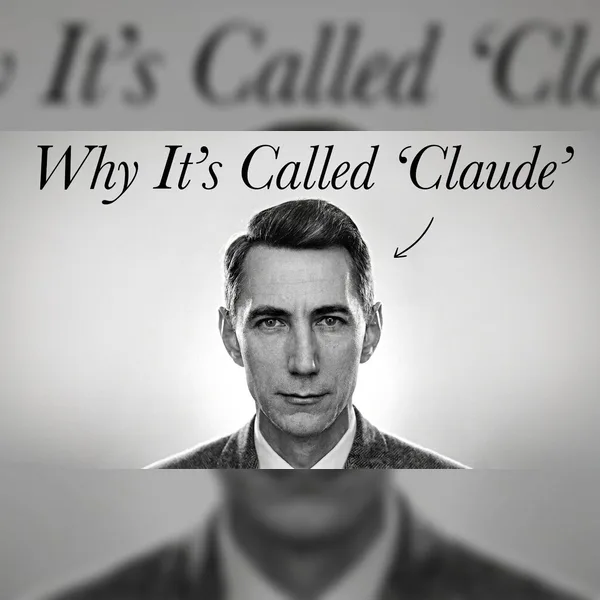
Claude Shannon changed your life and you probably don't even know it. Claude is the father of information theory. He transformed “information” into bits and created the intellectual foundation for computers, the Internet, digital media, high-speed communication, and Artificial Intelligence.
The way Claude Shannon worked is what interested me the most. He combined extraordinary abstract reasoning with an engineer’s instinct to build. He reduced complex problems to their essential structure. He connected ideas across mathematics, engineering, cryptography, artificial intelligence, investing, chess, juggling, and robotics, treating every experience as material that he might later combine into a new insight.
He was also relentlessly independent, guided more by curiosity and freedom than recognition, money, or usefulness.
This episode is what I learned from reading (again) A Mind at Play: How Claude Shannon Invented the Information Age by Jimmy Soni and Rob Goodman https://amzn.to/4wlykI2
Made possible by:
Ramp: https://ramp.com
Applovin: https://www.applovin.com
Vanta: https://vanta.com/founders
0:00 — "The great insights don't spring from curiosity alone, but from dissatisfaction... A genius is simply someone who is usefully irritated."
1:36 — "It seems to be much easier to make two small jumps than one big jump in any kind of mental thinking." — Shannon
4:41 — "He was a man almost entirely written out of a history that's defined by self-promoters. His was a life spent in the pursuit of curious, serious play."
5:20 — "He worked with levity and played with gravity. He never acknowledged a distinction between the two."
6:00 — "Geniuses are the luckiest of mortals because what they do is the same as what they most want to do."
6:59 — "I do what comes naturally, and usefulness is not my main goal. I keep asking myself, 'How would you do this? Is it possible to make a machine to do this? Can I prove this theorem?'" — Shannon
11:50 — "Chemistry always seemed dull to me. There's too many isolated facts and too few general principles for my taste." — Shannon
19:09 — "Specialization is the death of genius." — Vannevar Bush
19:18 — "The possibilities of being at once both broad and deep did not pass with Leonardo da Vinci or Benjamin Franklin." — Vannevar Bush
25:13 — "I had the freedom to do anything I wanted from almost the day I started. They never told me what to work on." — Shannon on Bell Labs
26:41 — "I've been working on three different ideas simultaneously, and strangely enough, it seems a more productive method than sticking to one problem." — Shannon
32:55 — "My fondest dream is to someday build a machine that thinks, learns, communicates, and manipulates its environment in a fairly sophisticated way." — Shannon
35:05 — "Before Shannon, information was a telegram, a photograph, a paragraph, a song. After Shannon, information was entirely abstracted into bits."
38:04 — "After the effort of discovery, the effort of communication was secondary by far. He had solved a problem to his own satisfaction, and that, as far as he was concerned, was enough."
40:55 — "I've spent lots of time on totally useless things... He made no distinction between his interest in information and his interest in unicycles. They were all moves in the same game."
46:54 — "Shannon seemed to think with ideas more than with words or formulas. A new problem was like a sculptor's block of stone, and Shannon's ideas chiseled away the obstacles until an approximate solution emerged." — Ed Thorp
47:19 — "I simply removed everything that was not David." — Michelangelo
47:25 — "I don't think I was ever motivated by the notions of winning prizes. I was more motivated by curiosity, never by the desire for financial gain. I just wondered how things were put together." — Shannon
47:49 — "I think the history of science has shown that valuable consequences often proliferate from simple curiosity." — Shannon
48:37 — "The important people and events of history are the thinkers and innovators, the Darwins, the Newtons, the Beethovens, whose work continues to grow influence in a positive fashion." — Shannon
51:04
Claude Shannon changed your life and you probably don't even know it. Claude is the father of information theory. He transformed “information” into bits and created the intellectual foundation for computers, the Internet, digital media, high-speed communication, and Artificial Intelligence.
The way Claude Shannon worked is what interested me the most. He combined extraordinary abstract reasoning with an engineer’s instinct to build. He reduced complex problems to their essential structure. He connected ideas across mathematics, engineering, cryptography, artificial intelligence, investing, chess, juggling, and robotics, treating every experience as material that he might later combine into a new insight.
He was also relentlessly independent, guided more by curiosity and freedom than recognition, money, or usefulness.
This episode is what I learned from reading (again) A Mind at Play: How Claude Shannon Invented the Information Age by Jimmy Soni and Rob Goodman https://amzn.to/4wlykI2
Made possible by:
Ramp: https://ramp.com
Applovin: https://www.applovin.com
Vanta: https://vanta.com/founders
0:00 — "The great insights don't spring from curiosity alone, but from dissatisfaction... A genius is simply someone who is usefully irritated."
1:36 — "It seems to be much easier to make two small jumps than one big jump in any kind of mental thinking." — Shannon
4:41 — "He was a man almost entirely written out of a history that's defined by self-promoters. His was a life spent in the pursuit of curious, serious play."
5:20 — "He worked with levity and played with gravity. He never acknowledged a distinction between the two."
6:00 — "Geniuses are the luckiest of mortals because what they do is the same as what they most want to do."
6:59 — "I do what comes naturally, and usefulness is not my main goal. I keep asking myself, 'How would you do this? Is it possible to make a machine to do this? Can I prove this theorem?'" — Shannon
11:50 — "Chemistry always seemed dull to me. There's too many isolated facts and too few general principles for my taste." — Shannon
19:09 — "Specialization is the death of genius." — Vannevar Bush
19:18 — "The possibilities of being at once both broad and deep did not pass with Leonardo da Vinci or Benjamin Franklin." — Vannevar Bush
25:13 — "I had the freedom to do anything I wanted from almost the day I started. They never told me what to work on." — Shannon on Bell Labs
26:41 — "I've been working on three different ideas simultaneously, and strangely enough, it seems a more productive method than sticking to one problem." — Shannon
32:55 — "My fondest dream is to someday build a machine that thinks, learns, communicates, and manipulates its environment in a fairly sophisticated way." — Shannon
35:05 — "Before Shannon, information was a telegram, a photograph, a paragraph, a song. After Shannon, information was entirely abstracted into bits."
38:04 — "After the effort of discovery, the effort of communication was secondary by far. He had solved a problem to his own satisfaction, and that, as far as he was concerned, was enough."
40:55 — "I've spent lots of time on totally useless things... He made no distinction between his interest in information and his interest in unicycles. They were all moves in the same game."
46:54 — "Shannon seemed to think with ideas more than with words or formulas. A new problem was like a sculptor's block of stone, and Shannon's ideas chiseled away the obstacles until an approximate solution emerged." — Ed Thorp
47:19 — "I simply removed everything that was not David." — Michelangelo
47:25 — "I don't think I was ever motivated by the notions of winning prizes. I was more motivated by curiosity, never by the desire for financial gain. I just wondered how things were put together." — Shannon
47:49 — "I think the history of science has shown that valuable consequences often proliferate from simple curiosity." — Shannon
48:37 — "The important people and events of history are the thinkers and innovators, the Darwins, the Newtons, the Beethovens, whose work continues to grow influence in a positive fashion." — Shannon
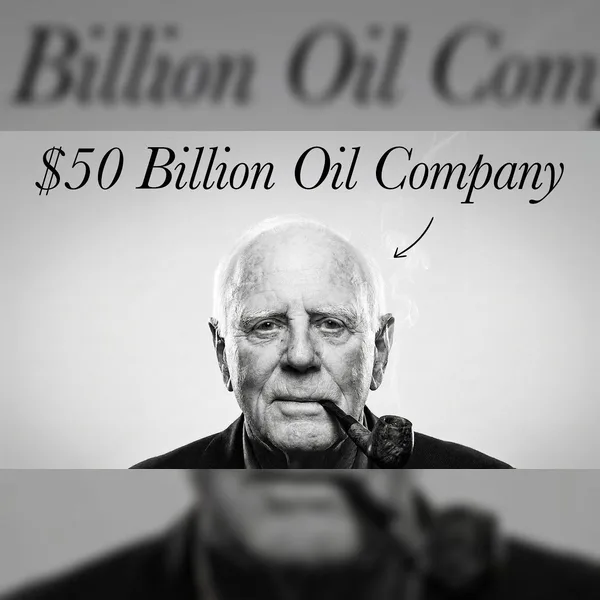
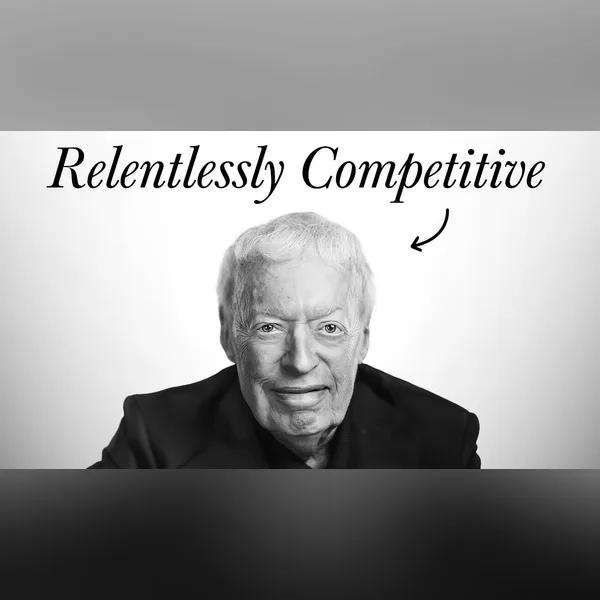
Raymond Plank founded Apache Corporation with just $250,000 in 1954. 50 years later his company was worth $50 billion.
This episode examines the life and entrepreneurial philosophy of Raymond Plank through his memoir A Small Difference https://link.amazon/B07hiGO1E
Rather than presenting a conventional history of Apache, this episode focuses on the lessons, maxims, and beliefs Plank accumulated over seven decades in business. Written when he was nearly 90, the memoir reads like a lifelong diary of how to think about opportunity, courage, cost control, resourcefulness, and adaptation.
Lots of wild stories in this one.
Made possible by:
Ramp: https://ramp.com
Applovin: https://www.applovin.com
Vanta: https://vanta.com/founders
Add your email here and I will send you my top 10 quotes from every episode: https://davidsenra.substack.com
37:56
Raymond Plank founded Apache Corporation with just $250,000 in 1954. 50 years later his company was worth $50 billion.
This episode examines the life and entrepreneurial philosophy of Raymond Plank through his memoir A Small Difference https://link.amazon/B07hiGO1E
Rather than presenting a conventional history of Apache, this episode focuses on the lessons, maxims, and beliefs Plank accumulated over seven decades in business. Written when he was nearly 90, the memoir reads like a lifelong diary of how to think about opportunity, courage, cost control, resourcefulness, and adaptation.
Lots of wild stories in this one.
Made possible by:
Ramp: https://ramp.com
Applovin: https://www.applovin.com
Vanta: https://vanta.com/founders
Add your email here and I will send you my top 10 quotes from every episode: https://davidsenra.substack.com
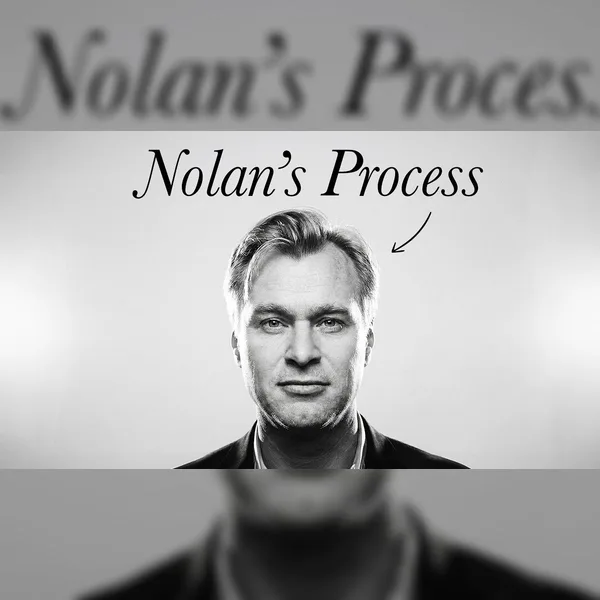
Obsession is the engine of Nolan’s career. This episode examines Christopher Nolan’s life, working methods, and philosophy through "The Nolan Variations" by Tom Shone https://amzn.to/4fuwn5K
Made possible by:
Ramp: https://ramp.com
Applovin: https://www.applovin.com
Vanta: https://vanta.com/founders
Add your email here and I will send you my top 10 quotes from every episode: https://davidsenra.substack.com
51:10
Obsession is the engine of Nolan’s career. This episode examines Christopher Nolan’s life, working methods, and philosophy through "The Nolan Variations" by Tom Shone https://amzn.to/4fuwn5K
Made possible by:
Ramp: https://ramp.com
Applovin: https://www.applovin.com
Vanta: https://vanta.com/founders
Add your email here and I will send you my top 10 quotes from every episode: https://davidsenra.substack.com
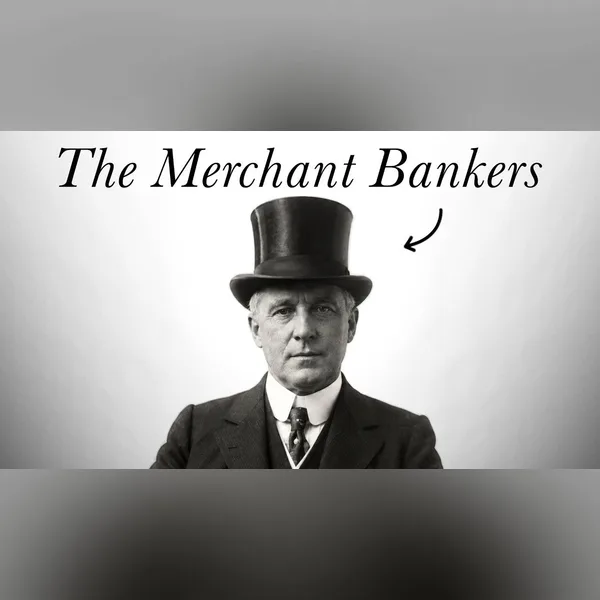
This episode discusses Joseph Wechsberg’s 1966 book, The Merchant Bankers. https://amzn.to/4vGwzFc
Rather than recounting the histories of families like the Rothschilds, Barings, Hambros, Warburgs, and Lehman Brothers, I wanted to extract the principles they shared.
Merchant banking is fascinating. It's a very distinctive form of entrepreneurship. There is an old-school way of doing business that appeals to me.
The merchant bankers’ profiled in this book have a combination of:
-personal honor
-speed of action
-clear thinking
-independent judgment
-seamless webs of deserved trust
-discretion
-and willingness to make unconventional decisions.
The founder of every merchant banking dynasty was a merchant before he was merchant banker. Once they discovered financing transactions was more profitable than physically trading goods, their real products became credit, judgment, information, advice, access, and—above all—trust.
Their greatest asset was not money. Their greatest asset was their reputation.
Made possible by:
Ramp: https://ramp.com
Applovin: https://www.applovin.com
Vanta: https://vanta.com/founders
Add your email here and I will send you my top 10 quotes from every episode: https://davidsenra.substack.com/subscribe
46:05
This episode discusses Joseph Wechsberg’s 1966 book, The Merchant Bankers. https://amzn.to/4vGwzFc
Rather than recounting the histories of families like the Rothschilds, Barings, Hambros, Warburgs, and Lehman Brothers, I wanted to extract the principles they shared.
Merchant banking is fascinating. It's a very distinctive form of entrepreneurship. There is an old-school way of doing business that appeals to me.
The merchant bankers’ profiled in this book have a combination of:
-personal honor
-speed of action
-clear thinking
-independent judgment
-seamless webs of deserved trust
-discretion
-and willingness to make unconventional decisions.
The founder of every merchant banking dynasty was a merchant before he was merchant banker. Once they discovered financing transactions was more profitable than physically trading goods, their real products became credit, judgment, information, advice, access, and—above all—trust.
Their greatest asset was not money. Their greatest asset was their reputation.
Made possible by:
Ramp: https://ramp.com
Applovin: https://www.applovin.com
Vanta: https://vanta.com/founders
Add your email here and I will send you my top 10 quotes from every episode: https://davidsenra.substack.com/subscribe
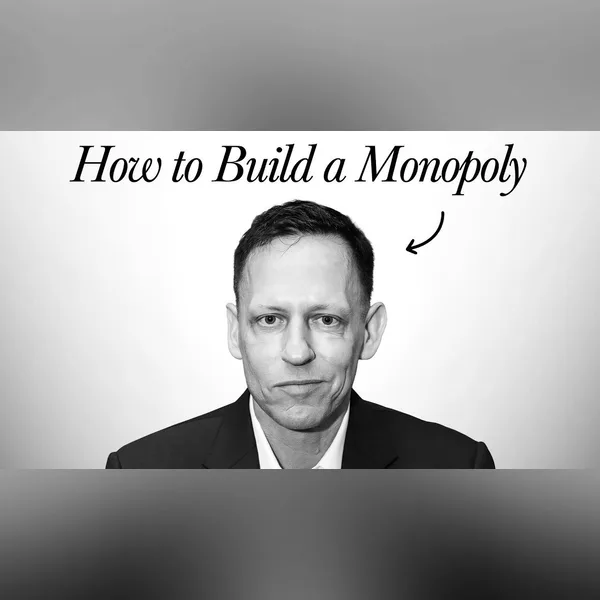
What I learned from reading Zero to One: Notes on Startups, or How to Build the Future by Peter Thiel and Blake Masters (for the 3rd or 4th time) https://amzn.to/4yhebFh
*Made possible by:*
Ramp: https://ramp.com
Applovin: https://www.applovin.com
Vanta: https://vanta.com/founders
53:44
What I learned from reading Zero to One: Notes on Startups, or How to Build the Future by Peter Thiel and Blake Masters (for the 3rd or 4th time) https://amzn.to/4yhebFh
*Made possible by:*
Ramp: https://ramp.com
Applovin: https://www.applovin.com
Vanta: https://vanta.com/founders
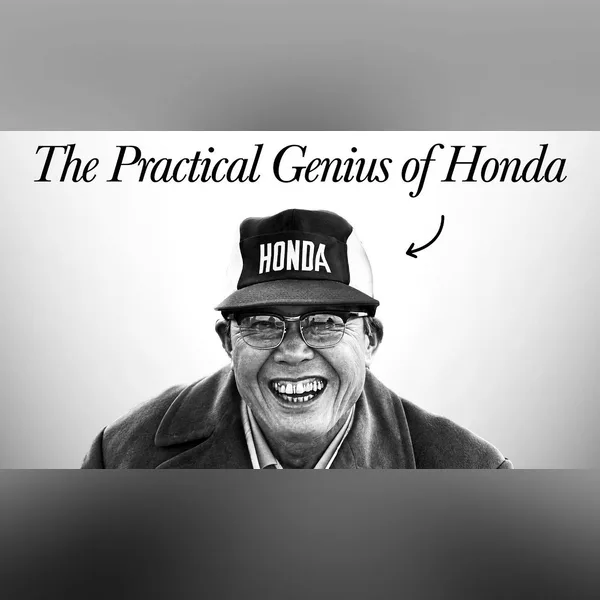
What I learned from reading Honda: The Man and His Machines by Sol Sanders. https://amzn.to/4amHvjp
Made possible by:
Ramp: https://ramp.com
Applovin: https://www.applovin.com/
Vanta: https://vanta.com/founders
48:05
What I learned from reading Honda: The Man and His Machines by Sol Sanders. https://amzn.to/4amHvjp
Made possible by:
Ramp: https://ramp.com
Applovin: https://www.applovin.com/
Vanta: https://vanta.com/founders
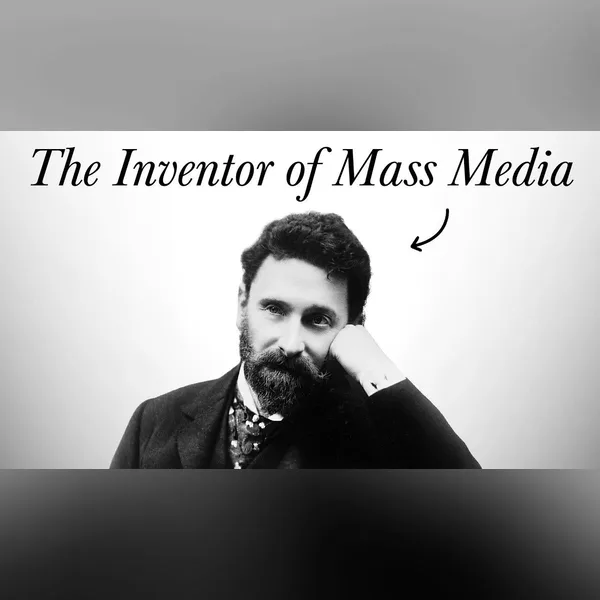
我从阅读《Pulitzer: A Life in Politics, Print, and Power》中学到的东西,作者James McGrath Morris。https://amzn.to/3SflkWd
由以下赞助商支持:
Ramp: https://ramp.com
Applovin: https://applovin.com
Vanta: https://vanta.com/founders
52:25
我从阅读《Pulitzer: A Life in Politics, Print, and Power》中学到的东西,作者James McGrath Morris。https://amzn.to/3SflkWd
由以下赞助商支持:
Ramp: https://ramp.com
Applovin: https://applovin.com
Vanta: https://vanta.com/founders
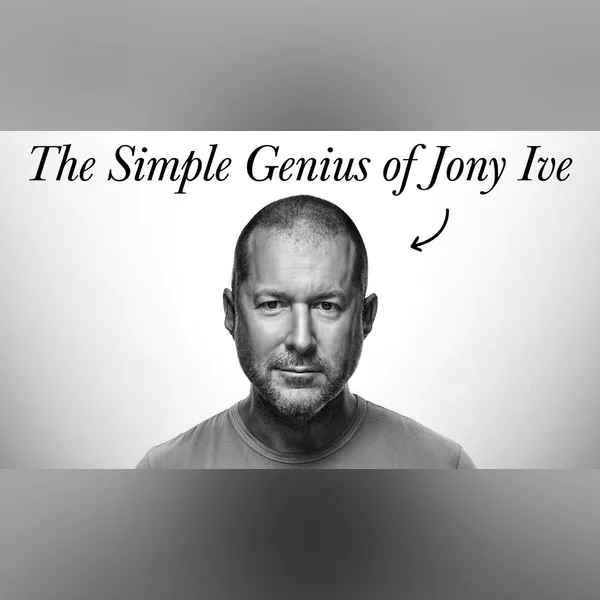
What I learned from reading Jony Ive: The Genius Behind Apple's Greatest Products by Leander Kahney. https://amzn.to/3QAuPi5
Made possible by:
Ramp: https://ramp.com
Axon by Applovin: https://axon.ai/founders
Vanta: https://vanta.com/founders
52:31
What I learned from reading Jony Ive: The Genius Behind Apple's Greatest Products by Leander Kahney. https://amzn.to/3QAuPi5
Made possible by:
Ramp: https://ramp.com
Axon by Applovin: https://axon.ai/founders
Vanta: https://vanta.com/founders
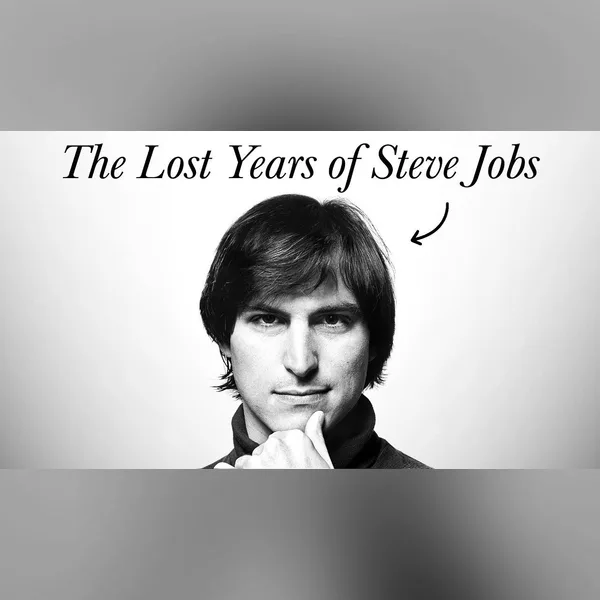
What I learned from reading Steve Jobs in Exile: The Untold Story of NeXT and the Remaking of an American Visionary by Geoffrey Cain https://amzn.to/4o6mQpj
Made possible by:
Ramp: https://ramp.com
Axon by Applovin: https://axon.ai/founders
Vanta: https://vanta.com/founders
53:32
What I learned from reading Steve Jobs in Exile: The Untold Story of NeXT and the Remaking of an American Visionary by Geoffrey Cain https://amzn.to/4o6mQpj
Made possible by:
Ramp: https://ramp.com
Axon by Applovin: https://axon.ai/founders
Vanta: https://vanta.com/founders
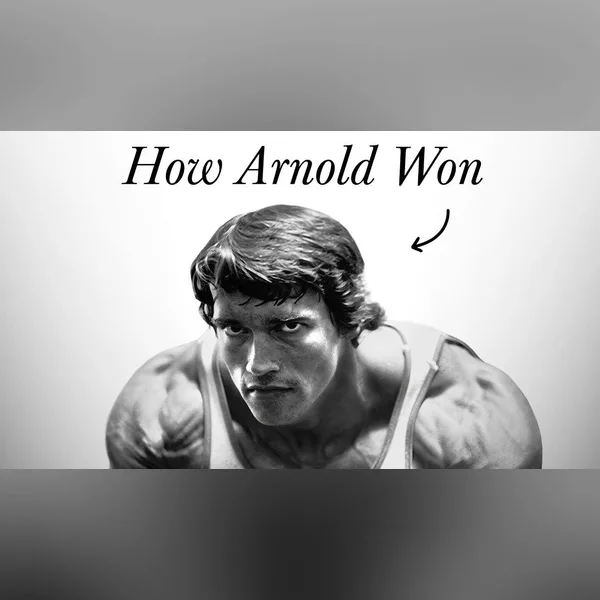
我从阅读阿诺德·施瓦辛格的《Arnold: The Education of a Bodybuilder》中学到的东西。 https://amzn.to/4tfMp9a
由以下赞助提供:
Ramp: https://ramp.com
Axon by Applovin: https://axon.ai/founders
Vanta: https://vanta.com/founders
43:29
我从阅读阿诺德·施瓦辛格的《Arnold: The Education of a Bodybuilder》中学到的东西。 https://amzn.to/4tfMp9a
由以下赞助提供:
Ramp: https://ramp.com
Axon by Applovin: https://axon.ai/founders
Vanta: https://vanta.com/founders
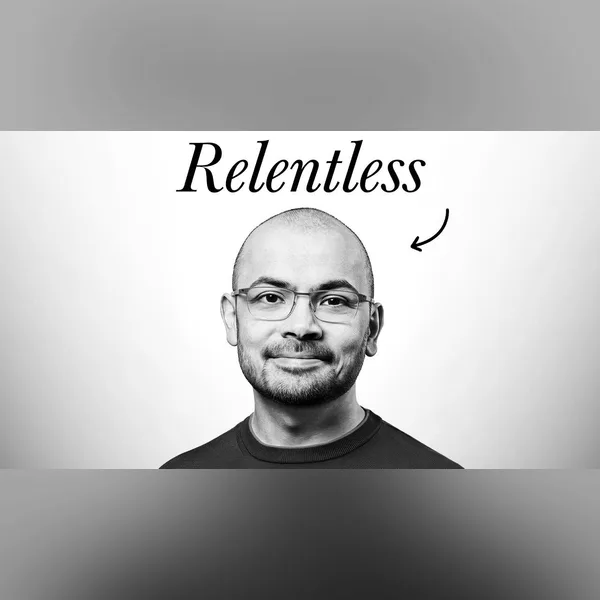
本期节目讲述的是一位百年一遇的天才,他正在研究可能是历史上最重要的问题。基于塞巴斯蒂安·马拉比的新书《The Infinity Machine: Demis Hassabis, DeepMind, and the Quest for Superintelligence》https://amzn.to/3OfYGLz
由以下机构赞助:
Ramp:https://ramp.com
Axon by AppLovin:https://axon.ai/founders
Vanta:https://vanta.com/founders
54:40
本期节目讲述的是一位百年一遇的天才,他正在研究可能是历史上最重要的问题。基于塞巴斯蒂安·马拉比的新书《The Infinity Machine: Demis Hassabis, DeepMind, and the Quest for Superintelligence》https://amzn.to/3OfYGLz
由以下机构赞助:
Ramp:https://ramp.com
Axon by AppLovin:https://axon.ai/founders
Vanta:https://vanta.com/founders
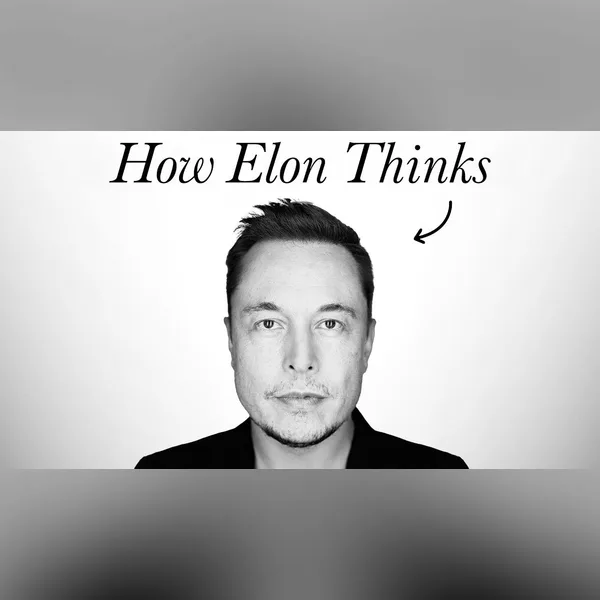
My friend Eric Jorgenson spent years—and thousands of hours—studying Elon Musk. Eric read everything Elon has written, read everything written about Elon, and watched every interview Elon's given. He distilled all of Elon's insights into his new book. This episode is all about How Elon Thinks based on The Book of Elon: Elon Musk's Most Useful Ideas in His Own Words https://amzn.to/40OuOJ5
Episode sponsors:
Ramp gives you everything you need to control spend, watch your costs, and optimize your financial operations —all on a single platform. Make history's greatest entrepreneurs proud by going to Ramp.com to learn how they can help your business save time, save money, and grow revenue. https://ramp.com
Automate compliance, security, and trust with Vanta. Vanta helps you win trust, close deals, and stay secure—faster and with less effort. Find out how increased security leads to more customers by going to Vanta. Tell them David from Founders sent you and you'll get $1000 off. https://vanta.com/founders
51:11
My friend Eric Jorgenson spent years—and thousands of hours—studying Elon Musk. Eric read everything Elon has written, read everything written about Elon, and watched every interview Elon's given. He distilled all of Elon's insights into his new book. This episode is all about How Elon Thinks based on The Book of Elon: Elon Musk's Most Useful Ideas in His Own Words https://amzn.to/40OuOJ5
Episode sponsors:
Ramp gives you everything you need to control spend, watch your costs, and optimize your financial operations —all on a single platform. Make history's greatest entrepreneurs proud by going to Ramp.com to learn how they can help your business save time, save money, and grow revenue. https://ramp.com
Automate compliance, security, and trust with Vanta. Vanta helps you win trust, close deals, and stay secure—faster and with less effort. Find out how increased security leads to more customers by going to Vanta. Tell them David from Founders sent you and you'll get $1000 off. https://vanta.com/founders
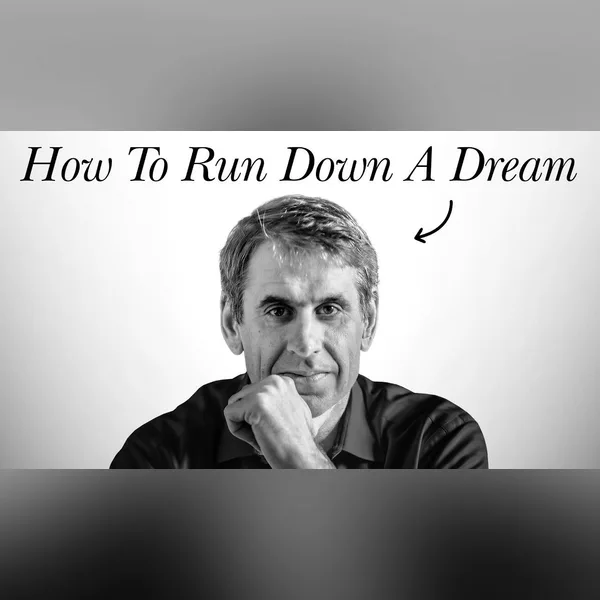
Runnin' Down A Dream: How to Succeed and Thrive in a Career You Love - Bill Gurley 的演讲是我听过的最有价值的演讲之一。多年来,我一直用这个演讲中的想法来构建这个播客。Bill 基于那次演讲写了一本新书:Runnin' Down A Dream: How to Thrive in a Career You Actually Love。https://amzn.to/4cowVdy
本期节目探讨了该书和演讲中最有价值的观点。
本期赞助商:
Ramp 为您提供一切所需,帮助您控制支出、监控成本并优化财务运营——全部在一个平台上。让历史上最伟大的企业家们感到自豪,请访问 Ramp.com 了解他们如何帮助您的企业节省时间和金钱。https://ramp.com
使用 Vanta 自动化合规、安全和信任。Vanta 帮助您更快、更轻松地赢得信任、完成交易并保持安全。了解如何通过增强安全性获得更多客户,请访问 Vanta。告诉他们是来自 Founders 的 David 推荐的,您将获得 1000 美元折扣。https://vanta.com/founders
31:11
Runnin' Down A Dream: How to Succeed and Thrive in a Career You Love - Bill Gurley 的演讲是我听过的最有价值的演讲之一。多年来,我一直用这个演讲中的想法来构建这个播客。Bill 基于那次演讲写了一本新书:Runnin' Down A Dream: How to Thrive in a Career You Actually Love。https://amzn.to/4cowVdy
本期节目探讨了该书和演讲中最有价值的观点。
本期赞助商:
Ramp 为您提供一切所需,帮助您控制支出、监控成本并优化财务运营——全部在一个平台上。让历史上最伟大的企业家们感到自豪,请访问 Ramp.com 了解他们如何帮助您的企业节省时间和金钱。https://ramp.com
使用 Vanta 自动化合规、安全和信任。Vanta 帮助您更快、更轻松地赢得信任、完成交易并保持安全。了解如何通过增强安全性获得更多客户,请访问 Vanta。告诉他们是来自 Founders 的 David 推荐的,您将获得 1000 美元折扣。https://vanta.com/founders
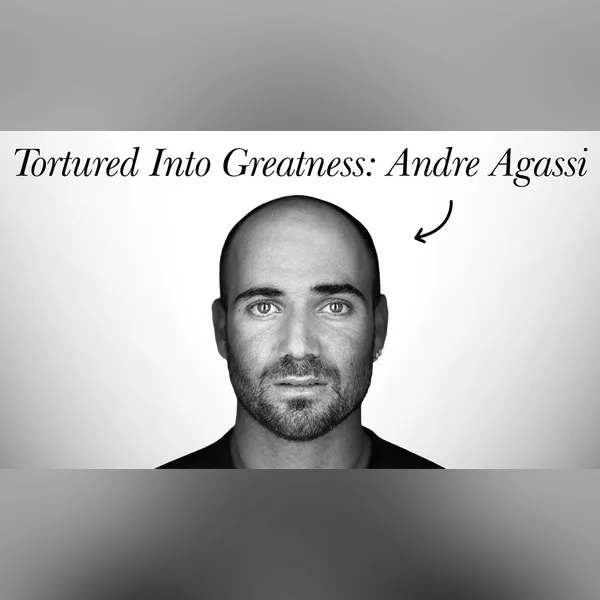
Andre Agassi's autobiography is a brutally honest story about a tennis legend who hated the game that made him famous. Agassi traces his journey from a harsh, obsessive childhood training regimen to superstardom, burnout, rebellion, and eventual redemption—revealing the psychological cost of greatness, the search for identity beyond winning, and how he ultimately found purpose on his own terms.
This book was as good as everyone says it is. You should read it: https://amzn.to/4a7OKuA
Episode sponsors:
Ramp gives you everything you need to control spend, watch your costs, and optimize your financial operations —all on a single platform. Make history's greatest entrepreneurs proud by going to Ramp and learning how they can help your business control your costs and save time and money. https://ramp.com
Automate compliance, security, and trust with Vanta. Vanta helps you win trust, close deals, and stay secure—faster and with less effort. Find out how increased security leads to more customers by going to Vanta. Tell them David from Founders sent you and you'll get $1000 off. https://www.vanta.com/founders
Collateral transforms your complex ideas into compelling narratives. Collateral crafts institutional grade marketing collateral for private equity, private credit, real estate, venture capital, family offices, hedge funds, oil & gas companies, and all kinds of corporations. Storytelling is one of the highest forms of leverage and you should invest heavily in it. You can do that by going to https://collateral.com
1:01:04
Andre Agassi's autobiography is a brutally honest story about a tennis legend who hated the game that made him famous. Agassi traces his journey from a harsh, obsessive childhood training regimen to superstardom, burnout, rebellion, and eventual redemption—revealing the psychological cost of greatness, the search for identity beyond winning, and how he ultimately found purpose on his own terms.
This book was as good as everyone says it is. You should read it: https://amzn.to/4a7OKuA
Episode sponsors:
Ramp gives you everything you need to control spend, watch your costs, and optimize your financial operations —all on a single platform. Make history's greatest entrepreneurs proud by going to Ramp and learning how they can help your business control your costs and save time and money. https://ramp.com
Automate compliance, security, and trust with Vanta. Vanta helps you win trust, close deals, and stay secure—faster and with less effort. Find out how increased security leads to more customers by going to Vanta. Tell them David from Founders sent you and you'll get $1000 off. https://www.vanta.com/founders
Collateral transforms your complex ideas into compelling narratives. Collateral crafts institutional grade marketing collateral for private equity, private credit, real estate, venture capital, family offices, hedge funds, oil & gas companies, and all kinds of corporations. Storytelling is one of the highest forms of leverage and you should invest heavily in it. You can do that by going to https://collateral.com
"Good habits create good art.
The way we do anything is the way we do everything.
Just one habit at the top of any field can be enough to give an edge over the competition.
The only person you're ever competing against is yourself. The rest is out of your control.
The details matter.
Treat each choice you make, each action you take, each word you speak, with skillful care.
The goal is to live your life in the service of art."
From the “The Creative Genius of Rick” episode
0:30
"Good habits create good art.
The way we do anything is the way we do everything.
Just one habit at the top of any field can be enough to give an edge over the competition.
The only person you're ever competing against is yourself. The rest is out of your control.
The details matter.
Treat each choice you make, each action you take, each word you speak, with skillful care.
The goal is to live your life in the service of art."
From the “The Creative Genius of Rick” episode
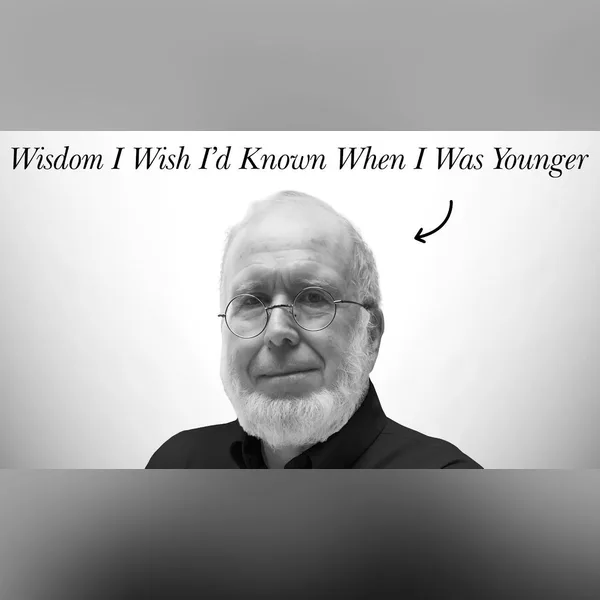
On his 68th birthday, Kevin Kelly began to write down for his young adult children some things he had learned about life that he wished he had known earlier.
Kelly’s timeless advice covers an astonishing range, from right living to setting ambitious goals, optimizing generosity, and cultivating compassion.
Excellent Advice for Living is the ideal companion for anyone seeking to navigate life with grace and creativity: https://amzn.to/4adhQd7
Episode sponsors:
Ramp gives you everything you need to control spend, watch your costs, and optimize your financial operations —all on a single platform. Make history's greatest entrepreneurs proud by going to Ramp and learning how they can help your business control your costs and save time and money. https://ramp.com
Automate compliance, security, and trust with Vanta. Vanta helps you win trust, close deals, and stay secure—faster and with less effort. Find out how increased security leads to more customers by going to Vanta. Tell them David from Founders sent you and you'll get $1000 off. https://www.vanta.com/founders
Collateral transforms your complex ideas into compelling narratives. Collateral crafts institutional grade marketing collateral for private equity, private credit, real estate, venture capital, family offices, hedge funds, oil & gas companies, and all kinds of corporations. Storytelling is one of the highest forms of leverage and you should invest heavily in it. You can do that by going to https://collateral.com
Some of my favorite quotes from the episode:
1. Choose to believe that the entire universe is conspiring behind your back to make you a success.
2. Mastering the view through the eyes of others will unlock many doors.
3. If you can avoid seeking the approval of others your power is limitless.
4. The reward for good work is more work.
5. Don’t be the best. Be the only.
6. The urgent is a tyrant. The important should be your king.
7. Find smart people who will disagree with you.
8. The main thing is to keep the main thing the main thing.
9. The most counterintuitive truth of the universe is that the more you give to others the more you'll get.
10. Life gets better as you replace transactions with relationships.
11. Courtesy costs nothing.
12. Life lessons will be presented to you in the order they are needed.
13. Cultivate an allergy to average.
14. If you repeated what you did today 365 more times would you be where you want to be next year?
15. If you are alive that means you still have lessons to learn.
16. Master something.Through mastery of one thing you'll command a viewpoint to steadily find where your bliss is.
17. Trust is earned in drops and lost in buckets.
18. First, always ask for what you want. Works in relationships, business, life.
19. If nobody else does what you do you won't need a resume.
20. How to apologize: quickly, specifically, sincerely.
21. You choose to be lucky by believing that any setbacks are just temporary.
22. The best way to advise people is to find out what they really want to do and then advise them to do it.
23. It is certain that 99% of the stuff you are anxious about won't happen.
24. What is important is not what happened to you but what you did about what happened to you.
25. Your golden ticket is being able to see things from other people's point of view.
26. Pay attention to who you are around when you feel best. Be with them more often.
27. To get your message across follow this formula: simplify, simplify, simplify, then exaggerate.
28. You will thrive more when you promote what you love rather than bash what you hate.
29. To be interesting just tell your own story with uncommon honesty.
30. When you truly think for yourself your conclusions will not be predictable.
31. Don’t measure your life with someone else’s ruler.
32. For maximum results focus on your biggest opportunities, not your biggest problems.
33. Pay attention to what you pay attention to.
34. Do more of what looks like work to others but is play for you.
35. Don't bother fighting the old just build the new.
36. Don't compare your inside to someone else's outside.
37. When you are stuck explain your problem to others.
38. It is useful to organize your thoughts with someone you trust and admire.
39. Most stories are improved significantly if you delete the first page. Start with the action.
40. A long game will compound small gains that will be able to overcome even big mistakes.
41. Constantly search for overlapping areas of agreement and dwell there.
42. It is your destiny to work on things that only you can do.
43. Make stuff that is good for people to have.
44. You'll get 10 times better results by elevating good behavior rather than punishing bad behavior.
45. Life is not a straight line for anyone.
46. Aim for tasks that you never want to stop doing.
37:26
On his 68th birthday, Kevin Kelly began to write down for his young adult children some things he had learned about life that he wished he had known earlier.
Kelly’s timeless advice covers an astonishing range, from right living to setting ambitious goals, optimizing generosity, and cultivating compassion.
Excellent Advice for Living is the ideal companion for anyone seeking to navigate life with grace and creativity: https://amzn.to/4adhQd7
Episode sponsors:
Ramp gives you everything you need to control spend, watch your costs, and optimize your financial operations —all on a single platform. Make history's greatest entrepreneurs proud by going to Ramp and learning how they can help your business control your costs and save time and money. https://ramp.com
Automate compliance, security, and trust with Vanta. Vanta helps you win trust, close deals, and stay secure—faster and with less effort. Find out how increased security leads to more customers by going to Vanta. Tell them David from Founders sent you and you'll get $1000 off. https://www.vanta.com/founders
Collateral transforms your complex ideas into compelling narratives. Collateral crafts institutional grade marketing collateral for private equity, private credit, real estate, venture capital, family offices, hedge funds, oil & gas companies, and all kinds of corporations. Storytelling is one of the highest forms of leverage and you should invest heavily in it. You can do that by going to https://collateral.com
Some of my favorite quotes from the episode:
1. Choose to believe that the entire universe is conspiring behind your back to make you a success.
2. Mastering the view through the eyes of others will unlock many doors.
3. If you can avoid seeking the approval of others your power is limitless.
4. The reward for good work is more work.
5. Don’t be the best. Be the only.
6. The urgent is a tyrant. The important should be your king.
7. Find smart people who will disagree with you.
8. The main thing is to keep the main thing the main thing.
9. The most counterintuitive truth of the universe is that the more you give to others the more you'll get.
10. Life gets better as you replace transactions with relationships.
11. Courtesy costs nothing.
12. Life lessons will be presented to you in the order they are needed.
13. Cultivate an allergy to average.
14. If you repeated what you did today 365 more times would you be where you want to be next year?
15. If you are alive that means you still have lessons to learn.
16. Master something.Through mastery of one thing you'll command a viewpoint to steadily find where your bliss is.
17. Trust is earned in drops and lost in buckets.
18. First, always ask for what you want. Works in relationships, business, life.
19. If nobody else does what you do you won't need a resume.
20. How to apologize: quickly, specifically, sincerely.
21. You choose to be lucky by believing that any setbacks are just temporary.
22. The best way to advise people is to find out what they really want to do and then advise them to do it.
23. It is certain that 99% of the stuff you are anxious about won't happen.
24. What is important is not what happened to you but what you did about what happened to you.
25. Your golden ticket is being able to see things from other people's point of view.
26. Pay attention to who you are around when you feel best. Be with them more often.
27. To get your message across follow this formula: simplify, simplify, simplify, then exaggerate.
28. You will thrive more when you promote what you love rather than bash what you hate.
29. To be interesting just tell your own story with uncommon honesty.
30. When you truly think for yourself your conclusions will not be predictable.
31. Don’t measure your life with someone else’s ruler.
32. For maximum results focus on your biggest opportunities, not your biggest problems.
33. Pay attention to what you pay attention to.
34. Do more of what looks like work to others but is play for you.
35. Don't bother fighting the old just build the new.
36. Don't compare your inside to someone else's outside.
37. When you are stuck explain your problem to others.
38. It is useful to organize your thoughts with someone you trust and admire.
39. Most stories are improved significantly if you delete the first page. Start with the action.
40. A long game will compound small gains that will be able to overcome even big mistakes.
41. Constantly search for overlapping areas of agreement and dwell there.
42. It is your destiny to work on things that only you can do.
43. Make stuff that is good for people to have.
44. You'll get 10 times better results by elevating good behavior rather than punishing bad behavior.
45. Life is not a straight line for anyone.
46. Aim for tasks that you never want to stop doing.
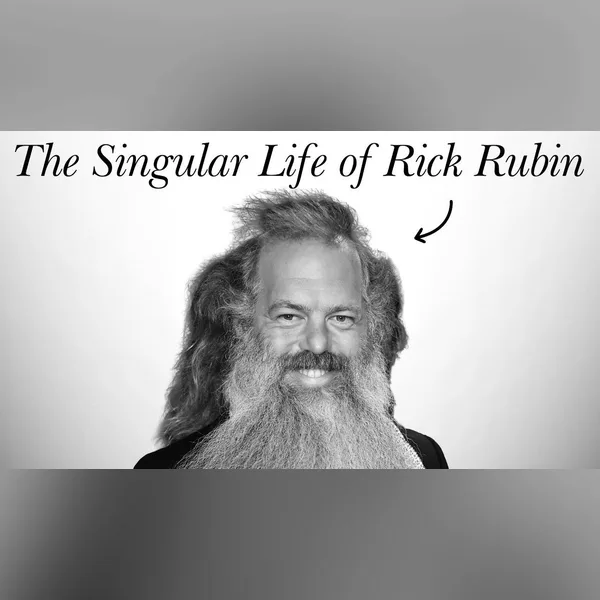
There's no one like Rick Rubin. He's a legendary music producer known for his minimalist approach and relentless pursuit of greatness. This episode is what I learned from reading Rick Rubin: In The Studio by Jake Brown https://amzn.to/4qp3njW
Episode sponsors:
Ramp gives you everything you need to control spend, watch your costs, and optimize your financial operations —all on a single platform. Make history's greatest entrepreneurs proud by going to Ramp and learning how they can help your business control your costs and save time and money. Go to Ramp.com to learn how they can help your business save time and money. https://ramp.com
Automate compliance, security, and trust with Vanta. Vanta helps you win trust, close deals, and stay secure—faster and with less effort. Find out how increased security leads to more customers by going to Vanta. Tell Vanta David from Founders sent you and you'll get $1000 off https://www.vanta.com/founders
Collateral transforms your complex ideas into compelling narratives. Collateral crafts institutional grade marketing collateral for private equity, private credit, real estate, venture capital, family offices, hedge funds, oil & gas companies, and all kinds of corporations. Storytelling is one of the highest forms of leverage and you should invest heavily in it. https://collateral.com
Some of my favorite quotes from the episode:
Less is more but you have to do more to get less.
Designing a product is keeping 5,000 things in your brain and fitting them all together in new and different ways. (Steve Jobs)
Rubin's most valuable quality is his own confidence.
If we're going to do this, let's aim for greatness. You have to believe what you're doing is the most important thing in the world.
Everybody engaged in complicated work needs colleagues. Just the discipline of having to put your thoughts in order with somebody else is a very useful thing. (Charlie Munger)
The key to it is doing what you believe in, as opposed to what you think is going to work. There were never any plans to make anything happen. I just did what I liked and believed in it, and luckily it all worked out.
These things that we don't understand and cannot explain happen regularly.
The amateur mind possesses a valuable lack of knowledge about rules when matched with passion and gumption gravity ceases to exist and new things take flight.
To be ignorant of what occurred before you were born is to remain always a child. (Cicero)
I believe in you so much, I'm going to make you believe in you.
I try to make records that have a timeless quality.
1:20:30
There's no one like Rick Rubin. He's a legendary music producer known for his minimalist approach and relentless pursuit of greatness. This episode is what I learned from reading Rick Rubin: In The Studio by Jake Brown https://amzn.to/4qp3njW
Episode sponsors:
Ramp gives you everything you need to control spend, watch your costs, and optimize your financial operations —all on a single platform. Make history's greatest entrepreneurs proud by going to Ramp and learning how they can help your business control your costs and save time and money. Go to Ramp.com to learn how they can help your business save time and money. https://ramp.com
Automate compliance, security, and trust with Vanta. Vanta helps you win trust, close deals, and stay secure—faster and with less effort. Find out how increased security leads to more customers by going to Vanta. Tell Vanta David from Founders sent you and you'll get $1000 off https://www.vanta.com/founders
Collateral transforms your complex ideas into compelling narratives. Collateral crafts institutional grade marketing collateral for private equity, private credit, real estate, venture capital, family offices, hedge funds, oil & gas companies, and all kinds of corporations. Storytelling is one of the highest forms of leverage and you should invest heavily in it. https://collateral.com
Some of my favorite quotes from the episode:
Less is more but you have to do more to get less.
Designing a product is keeping 5,000 things in your brain and fitting them all together in new and different ways. (Steve Jobs)
Rubin's most valuable quality is his own confidence.
If we're going to do this, let's aim for greatness. You have to believe what you're doing is the most important thing in the world.
Everybody engaged in complicated work needs colleagues. Just the discipline of having to put your thoughts in order with somebody else is a very useful thing. (Charlie Munger)
The key to it is doing what you believe in, as opposed to what you think is going to work. There were never any plans to make anything happen. I just did what I liked and believed in it, and luckily it all worked out.
These things that we don't understand and cannot explain happen regularly.
The amateur mind possesses a valuable lack of knowledge about rules when matched with passion and gumption gravity ceases to exist and new things take flight.
To be ignorant of what occurred before you were born is to remain always a child. (Cicero)
I believe in you so much, I'm going to make you believe in you.
I try to make records that have a timeless quality.