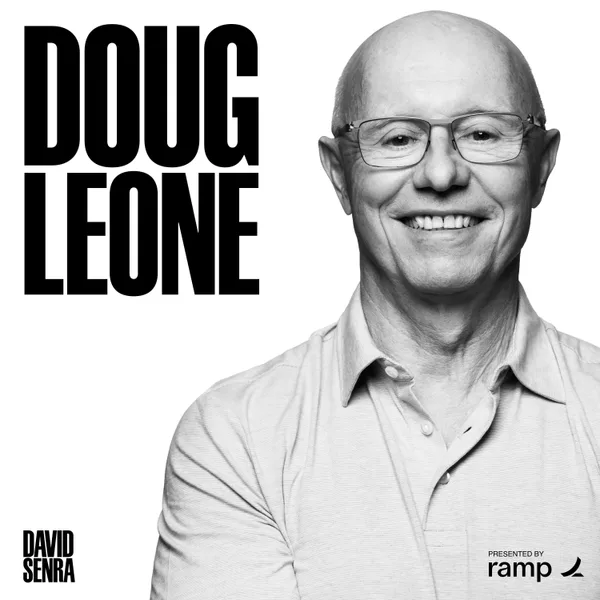
Doug Leone spent 26 years helping lead Sequoia Capital through successive eras of technological change. Born in Italy, he came to the United States without speaking English and carried the insecurity of an outsider into his career. That fear became fuel: whenever he felt himself falling behind, he forced himself to start over. After stepping down from Sequoia at 65 to make room for the next generation, he returned four years later. Now he considers himself a low-level analyst again, racing to understand an AI revolution that he believes is rewriting business more radically than anything he has seen before.
Leone explains the three questions he asks before making an investment: Would he put his children's money into it? If he could make only 20 investments in his life, would this be one of them? Could it return the entire fund? He is interested only in extreme outliers—companies capable of returning 100 times the original investment—and says the biggest mistake venture investors make is selling their winners too early. Sequoia once owned enormous stakes in Apple, Cisco, Google and NVIDIA, but even the greatest investors failed to anticipate how long exceptional companies could continue compounding.
His role as an investor is not to shape a founder's technology. It is to help turn a product into a business: recruiting the first team, building sales and marketing, navigating crucible moments and preserving the founder as the soul of the company. He describes backing David Vélez before Nubank existed, what Fred Luddy's unusual ServiceNow pitch revealed about him and why Sequoia looks for the same qualities in founders and its own partners: a hypercompetitive person with a heart of gold.
Leone also discusses trust as the accelerant that makes business move quickly. Trust requires both competence and good intentions, and it is earned by helping founders when they are most vulnerable. He explains why founders should architect their boards as carefully as their products, why productive disagreement is different from argument and how to deliver difficult feedback so it can actually be heard. He closes with lessons from his longtime partner Michael Moritz: listen to the exact words people choose, put the other person first and always ask what a company could become if everything goes right.
Show notes: https://www.davidsenra.com/episode/doug-leone
Made possible by
Ramp: https://ramp.com
AppLovin: https://applovin.com/senra
Deel: https://deel.com/senra
Chapters
(00:00:00) How to Dominate for Decades
(00:03:17) Turning Fear Into a Tailwind
(00:05:40) Immigrant Drive, Hard Work & the Beach Club
(00:12:19) Simplifying Life & Choosing Discomfort
(00:14:37) The Homeless Sequoia Partner With No Plan B
(00:16:49) Stepping Down, Coming Back & Starting Over
(00:20:04) Why AI Is Different From Every Previous Technology Shift
(00:22:13) Doug's Three Investment Heuristics
(00:23:52) The Cost of Selling Great Companies Too Early
(00:25:39) Helping Founders Turn Products Into Businesses
(00:28:28) David Vélez, Nubank & the Psychology of Founder Support
(00:32:25) Why Founders Must Remain the Soul of the Company
(00:36:13) Torturing Yourself Into Greatness
(00:39:57) Don Valentine, Succession & the Sequoia School of Hard Knocks
(00:44:28) Staying Grounded & Developing a Sniffer for People
(00:47:46) Hypercompetitive With a Heart of Gold
(00:50:13) Fred Luddy, Israeli Founders & Radical Directness
(00:52:28) Trust Is the Accelerant of Business
(00:59:57) Starting From Zero & Hunting for the Next Great Founder
(01:05:59) Architect Your Board Like Your Product
(01:10:24) Truth, Disagreement & the Art of Difficult Feedback
(01:13:43) Humanity, Introversion & the Value of Relationships
(01:18:18) What Doug Learned From Michael Moritz
Learn more about your ad choices. Visit megaphone.fm/adchoices
1:22:17
Doug Leone spent 26 years helping lead Sequoia Capital through successive eras of technological change. Born in Italy, he came to the United States without speaking English and carried the insecurity of an outsider into his career. That fear became fuel: whenever he felt himself falling behind, he forced himself to start over. After stepping down from Sequoia at 65 to make room for the next generation, he returned four years later. Now he considers himself a low-level analyst again, racing to understand an AI revolution that he believes is rewriting business more radically than anything he has seen before.
Leone explains the three questions he asks before making an investment: Would he put his children's money into it? If he could make only 20 investments in his life, would this be one of them? Could it return the entire fund? He is interested only in extreme outliers—companies capable of returning 100 times the original investment—and says the biggest mistake venture investors make is selling their winners too early. Sequoia once owned enormous stakes in Apple, Cisco, Google and NVIDIA, but even the greatest investors failed to anticipate how long exceptional companies could continue compounding.
His role as an investor is not to shape a founder's technology. It is to help turn a product into a business: recruiting the first team, building sales and marketing, navigating crucible moments and preserving the founder as the soul of the company. He describes backing David Vélez before Nubank existed, what Fred Luddy's unusual ServiceNow pitch revealed about him and why Sequoia looks for the same qualities in founders and its own partners: a hypercompetitive person with a heart of gold.
Leone also discusses trust as the accelerant that makes business move quickly. Trust requires both competence and good intentions, and it is earned by helping founders when they are most vulnerable. He explains why founders should architect their boards as carefully as their products, why productive disagreement is different from argument and how to deliver difficult feedback so it can actually be heard. He closes with lessons from his longtime partner Michael Moritz: listen to the exact words people choose, put the other person first and always ask what a company could become if everything goes right.
Show notes: https://www.davidsenra.com/episode/doug-leone
Made possible by
Ramp: https://ramp.com
AppLovin: https://applovin.com/senra
Deel: https://deel.com/senra
Chapters
(00:00:00) How to Dominate for Decades
(00:03:17) Turning Fear Into a Tailwind
(00:05:40) Immigrant Drive, Hard Work & the Beach Club
(00:12:19) Simplifying Life & Choosing Discomfort
(00:14:37) The Homeless Sequoia Partner With No Plan B
(00:16:49) Stepping Down, Coming Back & Starting Over
(00:20:04) Why AI Is Different From Every Previous Technology Shift
(00:22:13) Doug's Three Investment Heuristics
(00:23:52) The Cost of Selling Great Companies Too Early
(00:25:39) Helping Founders Turn Products Into Businesses
(00:28:28) David Vélez, Nubank & the Psychology of Founder Support
(00:32:25) Why Founders Must Remain the Soul of the Company
(00:36:13) Torturing Yourself Into Greatness
(00:39:57) Don Valentine, Succession & the Sequoia School of Hard Knocks
(00:44:28) Staying Grounded & Developing a Sniffer for People
(00:47:46) Hypercompetitive With a Heart of Gold
(00:50:13) Fred Luddy, Israeli Founders & Radical Directness
(00:52:28) Trust Is the Accelerant of Business
(00:59:57) Starting From Zero & Hunting for the Next Great Founder
(01:05:59) Architect Your Board Like Your Product
(01:10:24) Truth, Disagreement & the Art of Difficult Feedback
(01:13:43) Humanity, Introversion & the Value of Relationships
(01:18:18) What Doug Learned From Michael Moritz
Learn more about your ad choices. Visit megaphone.fm/adchoices
Chapters
(00:00:00) The $6B Buyback That Made $60B
(00:02:15) Borrowing Money To Buy Back Stock At A Discount
(00:05:02) Why VCs Passed On AppLovin In 2012
(00:09:00) From App Discovery To Ad Platform
(00:14:45) Beating Google's AdMob With Performance Marketing
(00:19:30) No Board For Six Years
(00:30:12) The China Deal That Almost Blew Up
(00:37:45) The Convertible Note Pivot And KKR
(00:46:30) Buying Gaming Studios To Get Data
(00:51:45) Losing Trust With Game Developers
(00:58:20) The 2022 Crash And How He Kept His Team
(01:02:00) Building An Hyper Competent & Efficient Company
(01:07:25) Why Every New Hire Needs His Approval
(01:19:06) The Axon 2 Inflection Point
(01:21:15) One Great Engineer Now Beats A Hundred
Learn more about your ad choices. Visit megaphone.fm/adchoices
1:26:23
Chapters
(00:00:00) The $6B Buyback That Made $60B
(00:02:15) Borrowing Money To Buy Back Stock At A Discount
(00:05:02) Why VCs Passed On AppLovin In 2012
(00:09:00) From App Discovery To Ad Platform
(00:14:45) Beating Google's AdMob With Performance Marketing
(00:19:30) No Board For Six Years
(00:30:12) The China Deal That Almost Blew Up
(00:37:45) The Convertible Note Pivot And KKR
(00:46:30) Buying Gaming Studios To Get Data
(00:51:45) Losing Trust With Game Developers
(00:58:20) The 2022 Crash And How He Kept His Team
(01:02:00) Building An Hyper Competent & Efficient Company
(01:07:25) Why Every New Hire Needs His Approval
(01:19:06) The Axon 2 Inflection Point
(01:21:15) One Great Engineer Now Beats A Hundred
Learn more about your ad choices. Visit megaphone.fm/adchoices
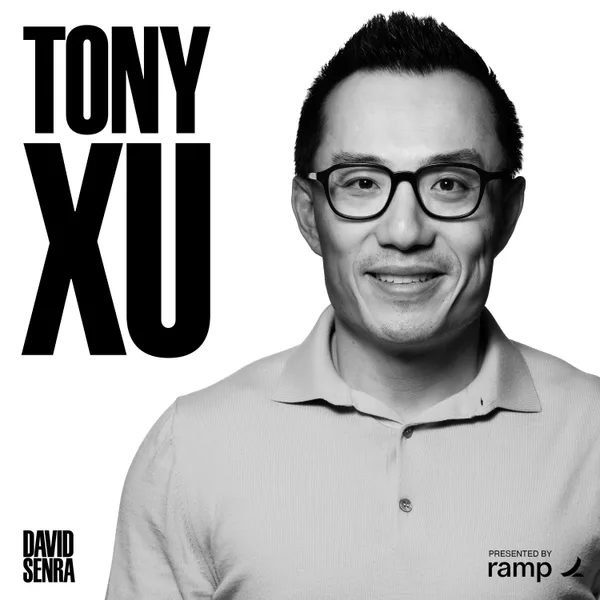
Tony Xu is the co-founder and CEO of DoorDash, the largest food delivery platform in the United States.
Before he was a tech executive, he was a dishwasher. Xu was born in Nanjing, China, and immigrated to the U.S. at age four with parents who arrived with $200 in the bank. His mother had been a licensed doctor in China. In America, she waited tables at a Chinese restaurant in Illinois. Xu worked beside her, washing dishes. That experience became the animating idea behind everything he built.
At Stanford, he and three classmates noticed that restaurants in Palo Alto had no good way to handle delivery. They built a basic website, called restaurants, and started driving orders themselves — skipping class to fulfill them. That crude experiment became DoorDash. They went through Y Combinator in 2013 with $120,000 in seed funding and a product that barely existed.
What followed was a decade of improbable dominance. DoorDash entered a market that Grubhub had largely defined, absorbed punishing losses to win share city by city, and eventually surpassed every rival in the U.S. In December 2020, the company went public on the NYSE at a $32 billion valuation, making Xu a billionaire at 36. In 2022, DoorDash acquired the Finnish delivery platform Wolt for $8.1 billion, expanding the business from four countries to more than two dozen overnight.
Xu has always insisted DoorDash is a logistics company, not a food app — a platform for local commerce that starts with restaurants but doesn't end there.
Show notes: https://www.davidsenra.com/episode/tony-xu
Made possible by
Ramp: https://ramp.com
Deel: https://deel.com/senra
Axon by AppLovin: https://axon.ai/senra
Chapters
(00:00:00) DoorDash MVP in 43 Minutes
(00:01:39) How Delivery Worked in 2013
(00:03:17) Small Business Roots and Insight
(00:05:48) Why Restaurants First
(00:08:24) Palo Alto vs San Francisco
(00:11:03) Early Customers and Unit Economics
(00:15:22) YC Summer Three Questions
(00:19:50) The Hidden Complexity of Delivery
(00:22:02) Competing on Invisible Details
(00:23:54) Chaos Data and Experiment Loops
(00:30:58) Trust Reset Every Day
(00:31:30) Stanford Game Meltdown and Refunds
(00:34:41) Scaling Through Experiments
(00:37:37) Customer North Star Metrics
(00:40:10) CEO Customer Support Habit
(00:42:55) Anecdotes Versus Data
(00:46:52) Eternal Mission Local Economies
(00:50:09) Turning Data Into Merchant Growth
(00:59:12) New Products Beyond Delivery
(01:01:14) Autonomous Delivery Strategy
(01:05:06) Hiring Rhodes Scholar Navy SEALs
(01:12:46) Driver Switch Experiment
(01:13:42) Who Delivers and Why
(01:15:33) Hiring for Action
(01:18:07) Earned Secrets via Experiments
(01:20:01) Money vs Problem Solving
(01:21:18) Thousand Days of Hell
(01:26:04) Staying Sane as CEO
(01:30:07) Ignore the Stock Price
(01:31:44) Two Operating Systems
(01:35:17) Internal Venture Stage Gates
(01:38:17) Learning from Founder Peers
(01:42:29) Jiu Jitsu Lessons
(01:44:37) AI Changes the Loop
(01:47:01) Data Needs Action
(01:48:24) Closing Thoughts
Learn more about your ad choices. Visit megaphone.fm/adchoices
1:49:24
Tony Xu is the co-founder and CEO of DoorDash, the largest food delivery platform in the United States.
Before he was a tech executive, he was a dishwasher. Xu was born in Nanjing, China, and immigrated to the U.S. at age four with parents who arrived with $200 in the bank. His mother had been a licensed doctor in China. In America, she waited tables at a Chinese restaurant in Illinois. Xu worked beside her, washing dishes. That experience became the animating idea behind everything he built.
At Stanford, he and three classmates noticed that restaurants in Palo Alto had no good way to handle delivery. They built a basic website, called restaurants, and started driving orders themselves — skipping class to fulfill them. That crude experiment became DoorDash. They went through Y Combinator in 2013 with $120,000 in seed funding and a product that barely existed.
What followed was a decade of improbable dominance. DoorDash entered a market that Grubhub had largely defined, absorbed punishing losses to win share city by city, and eventually surpassed every rival in the U.S. In December 2020, the company went public on the NYSE at a $32 billion valuation, making Xu a billionaire at 36. In 2022, DoorDash acquired the Finnish delivery platform Wolt for $8.1 billion, expanding the business from four countries to more than two dozen overnight.
Xu has always insisted DoorDash is a logistics company, not a food app — a platform for local commerce that starts with restaurants but doesn't end there.
Show notes: https://www.davidsenra.com/episode/tony-xu
Made possible by
Ramp: https://ramp.com
Deel: https://deel.com/senra
Axon by AppLovin: https://axon.ai/senra
Chapters
(00:00:00) DoorDash MVP in 43 Minutes
(00:01:39) How Delivery Worked in 2013
(00:03:17) Small Business Roots and Insight
(00:05:48) Why Restaurants First
(00:08:24) Palo Alto vs San Francisco
(00:11:03) Early Customers and Unit Economics
(00:15:22) YC Summer Three Questions
(00:19:50) The Hidden Complexity of Delivery
(00:22:02) Competing on Invisible Details
(00:23:54) Chaos Data and Experiment Loops
(00:30:58) Trust Reset Every Day
(00:31:30) Stanford Game Meltdown and Refunds
(00:34:41) Scaling Through Experiments
(00:37:37) Customer North Star Metrics
(00:40:10) CEO Customer Support Habit
(00:42:55) Anecdotes Versus Data
(00:46:52) Eternal Mission Local Economies
(00:50:09) Turning Data Into Merchant Growth
(00:59:12) New Products Beyond Delivery
(01:01:14) Autonomous Delivery Strategy
(01:05:06) Hiring Rhodes Scholar Navy SEALs
(01:12:46) Driver Switch Experiment
(01:13:42) Who Delivers and Why
(01:15:33) Hiring for Action
(01:18:07) Earned Secrets via Experiments
(01:20:01) Money vs Problem Solving
(01:21:18) Thousand Days of Hell
(01:26:04) Staying Sane as CEO
(01:30:07) Ignore the Stock Price
(01:31:44) Two Operating Systems
(01:35:17) Internal Venture Stage Gates
(01:38:17) Learning from Founder Peers
(01:42:29) Jiu Jitsu Lessons
(01:44:37) AI Changes the Loop
(01:47:01) Data Needs Action
(01:48:24) Closing Thoughts
Learn more about your ad choices. Visit megaphone.fm/adchoices
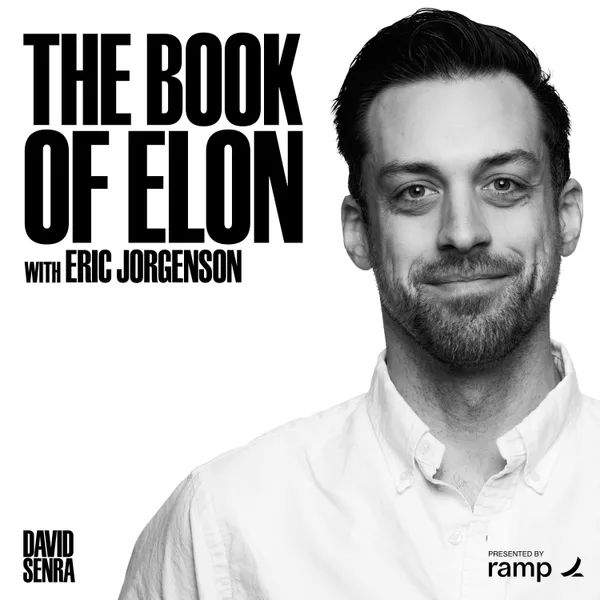
Eric Jorgenson is an investor, author, and the CEO of Scribe Media — best known for his mission to distill the ideas of the world's most consequential thinkers into books anyone can read.
Obsessed with the idea that the best way to understand a great mind was to read everything they'd ever said, Jorgenson spent years compiling Naval Ravikant's writing, podcasts, and interviews into a single coherent volume. The result — The Almanack of Naval Ravikant — was released for free, spread virally, and has been read by millions of people around the world. He never charged a dollar for it.
That project established a model. Rather than waiting for great thinkers to write their own books, Jorgenson would do it for them — hunting down every interview, essay, and conversation, finding the signal in the noise, and shaping it into something permanent.
The Book of Elon followed. Drawing on decades of interviews, Jorgenson assembled the most complete portrait of Musk's thinking ever put in one place — how he reasons, how he recruits, how he sets goals that seem insane until they aren't.
His work sits at a rare intersection: rigorous enough for serious students of business, accessible enough to hand to anyone. In an era of content overload, Jorgenson's instinct runs the opposite direction — that the most valuable thing you can do is take a lifetime of wisdom and make it impossible to ignore.
Show notes: https://www.davidsenra.com/episode/eric-jorgenson
The Book of Elon giveaway: https://elonbookgiveaway.com
Made possible by
Ramp: https://ramp.com
Deel: https://deel.com
Axon by AppLovin: https://axon.ai
HubSpot: https://hubspot.com
Chapters
(00:00:00) Book Reveal
(00:00:39) Build Useful Things
(00:02:19) Engineering Talent Edge
(00:04:26) Wired for War
(00:06:47) Tip of the Spear
(00:08:47) Burn the Boats
(00:13:13) Facing Fear
(00:15:16) Origin Story Myths
(00:18:19) Know Business A to Z
(00:22:17) Simplify and Fail Fast
(00:25:35) Reality and Physics
(00:28:18) The Algorithm Begins
(00:30:34) Delete and Simplify
(00:34:25) Starlink War Room
(00:36:52) Repetition as OS
(00:38:18) Step Three Simplify Optimize
(00:38:43) Question Every Requirement
(00:39:13) Tesla Battery Pack Delete
(00:40:43) Repetition Installs Ideas
(00:42:02) Step Four Accelerate
(00:43:26) Design Org for Speed
(00:46:06) Step Five Automate
(00:46:29) Control and Clean Sheet
(00:48:54) Vertical Integration and Costs
(00:50:47) SpaceX Incentives and Mars
(00:57:11) Frontier Unlocks Starlink
(01:00:26) Time as True Currency
(01:03:58) Speed Triage and Bottlenecks
(01:10:11) Internalized Responsibility
(01:12:56) Avoid Serialized Dependencies
(01:14:31) Aligning the Team
(01:15:07) Time Is the Constraint
(01:16:00) One Metric Focus
(01:18:03) Directional Predictions
(01:19:06) We Must Make Stuff
(01:25:39) Manufacturing as Moat
(01:26:23) Speed and Direct to Customer
(01:28:41) SpaceX Feasibility Study
(01:33:07) Edge of Sanity Leadership
(01:37:10) Bottlenecks and Integration
(01:40:01) Design and Simplify
(01:45:15) Catch the Rocket
(01:48:14) Capitalism and Closing
Learn more about your ad choices. Visit megaphone.fm/adchoices
1:50:05
Eric Jorgenson is an investor, author, and the CEO of Scribe Media — best known for his mission to distill the ideas of the world's most consequential thinkers into books anyone can read.
Obsessed with the idea that the best way to understand a great mind was to read everything they'd ever said, Jorgenson spent years compiling Naval Ravikant's writing, podcasts, and interviews into a single coherent volume. The result — The Almanack of Naval Ravikant — was released for free, spread virally, and has been read by millions of people around the world. He never charged a dollar for it.
That project established a model. Rather than waiting for great thinkers to write their own books, Jorgenson would do it for them — hunting down every interview, essay, and conversation, finding the signal in the noise, and shaping it into something permanent.
The Book of Elon followed. Drawing on decades of interviews, Jorgenson assembled the most complete portrait of Musk's thinking ever put in one place — how he reasons, how he recruits, how he sets goals that seem insane until they aren't.
His work sits at a rare intersection: rigorous enough for serious students of business, accessible enough to hand to anyone. In an era of content overload, Jorgenson's instinct runs the opposite direction — that the most valuable thing you can do is take a lifetime of wisdom and make it impossible to ignore.
Show notes: https://www.davidsenra.com/episode/eric-jorgenson
The Book of Elon giveaway: https://elonbookgiveaway.com
Made possible by
Ramp: https://ramp.com
Deel: https://deel.com
Axon by AppLovin: https://axon.ai
HubSpot: https://hubspot.com
Chapters
(00:00:00) Book Reveal
(00:00:39) Build Useful Things
(00:02:19) Engineering Talent Edge
(00:04:26) Wired for War
(00:06:47) Tip of the Spear
(00:08:47) Burn the Boats
(00:13:13) Facing Fear
(00:15:16) Origin Story Myths
(00:18:19) Know Business A to Z
(00:22:17) Simplify and Fail Fast
(00:25:35) Reality and Physics
(00:28:18) The Algorithm Begins
(00:30:34) Delete and Simplify
(00:34:25) Starlink War Room
(00:36:52) Repetition as OS
(00:38:18) Step Three Simplify Optimize
(00:38:43) Question Every Requirement
(00:39:13) Tesla Battery Pack Delete
(00:40:43) Repetition Installs Ideas
(00:42:02) Step Four Accelerate
(00:43:26) Design Org for Speed
(00:46:06) Step Five Automate
(00:46:29) Control and Clean Sheet
(00:48:54) Vertical Integration and Costs
(00:50:47) SpaceX Incentives and Mars
(00:57:11) Frontier Unlocks Starlink
(01:00:26) Time as True Currency
(01:03:58) Speed Triage and Bottlenecks
(01:10:11) Internalized Responsibility
(01:12:56) Avoid Serialized Dependencies
(01:14:31) Aligning the Team
(01:15:07) Time Is the Constraint
(01:16:00) One Metric Focus
(01:18:03) Directional Predictions
(01:19:06) We Must Make Stuff
(01:25:39) Manufacturing as Moat
(01:26:23) Speed and Direct to Customer
(01:28:41) SpaceX Feasibility Study
(01:33:07) Edge of Sanity Leadership
(01:37:10) Bottlenecks and Integration
(01:40:01) Design and Simplify
(01:45:15) Catch the Rocket
(01:48:14) Capitalism and Closing
Learn more about your ad choices. Visit megaphone.fm/adchoices